Survivors of the March 1 Iranian drone strike that killed six US soldiers have questioned the account given by Defense Secretary Pete Hegseth, calling his description of the incident inaccurate.
Speaking to CBS News, members of the targeted unit said the claim that a drone slipped through defences was misleading. "Painting a picture that 'one squeaked through' is a falsehood," one of the surviving soldiers told CBS News on Thursday. "I want people to know the unit … was unprepared to provide any defense for itself. It was not a fortified position."
A Pentagon spokesperson declined to comment, citing an ongoing investigation, reported The Mirror US.
Also Read | 'They better stop now': Trump issues blunt warning to Iran over Strait of Hormuz tanker fees
Questions over troop placement
The strike took place at a military outpost at the Port of Shuaiba in Kuwait, where soldiers from the 103rd Sustainment Command were stationed. Survivors said they were moved to the location despite it being a known risk zone.
"We moved closer to Iran, to a deeply unsafe area that was a known target," one soldier said. "I don't think there was a good reason ever articulated."
According to the soldiers, others in the region were relocated farther away to safer areas in Jordan and Saudi Arabia. The decision to move this unit closer to potential threats has raised concerns among those involved.
Lack of defences highlighted
Survivors also disputed claims that the base was well protected. One soldier described the defensive setup as minimal, saying, "From a bunker standpoint, that's about as weak as one gets," and added, "I mean, I would put it in the none category. From a drone defense capability … none."
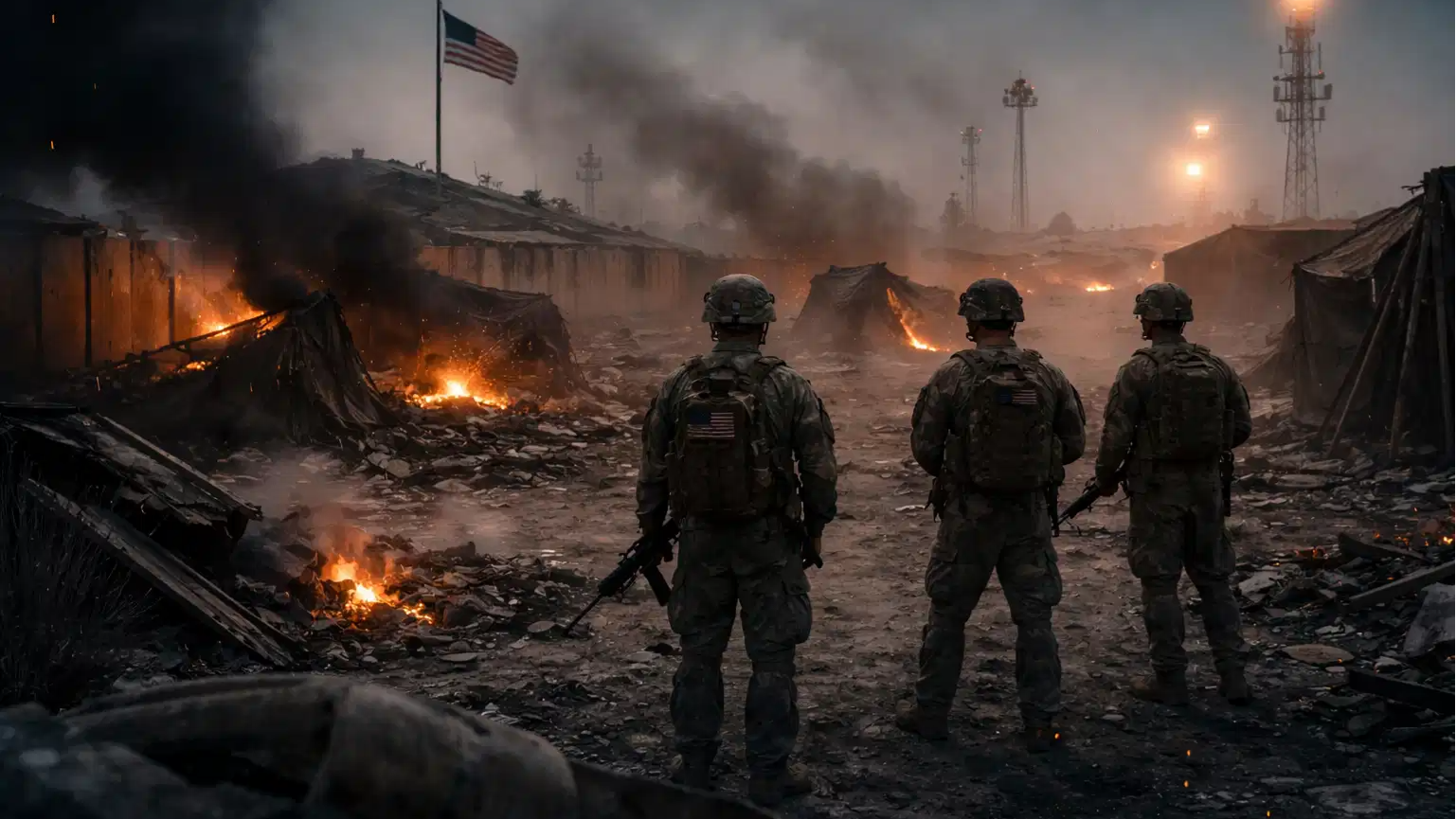
The outpost had barriers designed for ground attacks like mortars, but these offered no protection against aerial strikes.
When the drone struck, the impact was immediate and severe. "And it's something like what you see in the movies. Your ears are ringing. Everything's fuzzy. Your vision is blurry. You're dizzy. There's dust and smoke everywhere," a soldier recalled.
Aftermath and unanswered questions
The attack left more than 30 US service members hospitalised, with injuries ranging from burns and shrapnel wounds to brain trauma. Survivors described the aftermath as chaotic, with multiple casualties requiring urgent care.
"One of the hardest things for me is that I know we didn't get everybody out, so I know that at this point there are still soldiers inside there that still haven't been identified and evacuated," one soldier said.
While officials have maintained that safeguards were in place, survivors argue that a full and accurate account is necessary. "It's not my intent to diminish morale or to disparage the Army or the Department of War more holistically, but I do think that telling the truth is important and we're not going to learn from these mistakes if we pretend these mistakes didn't happen," a soldier told CBS.