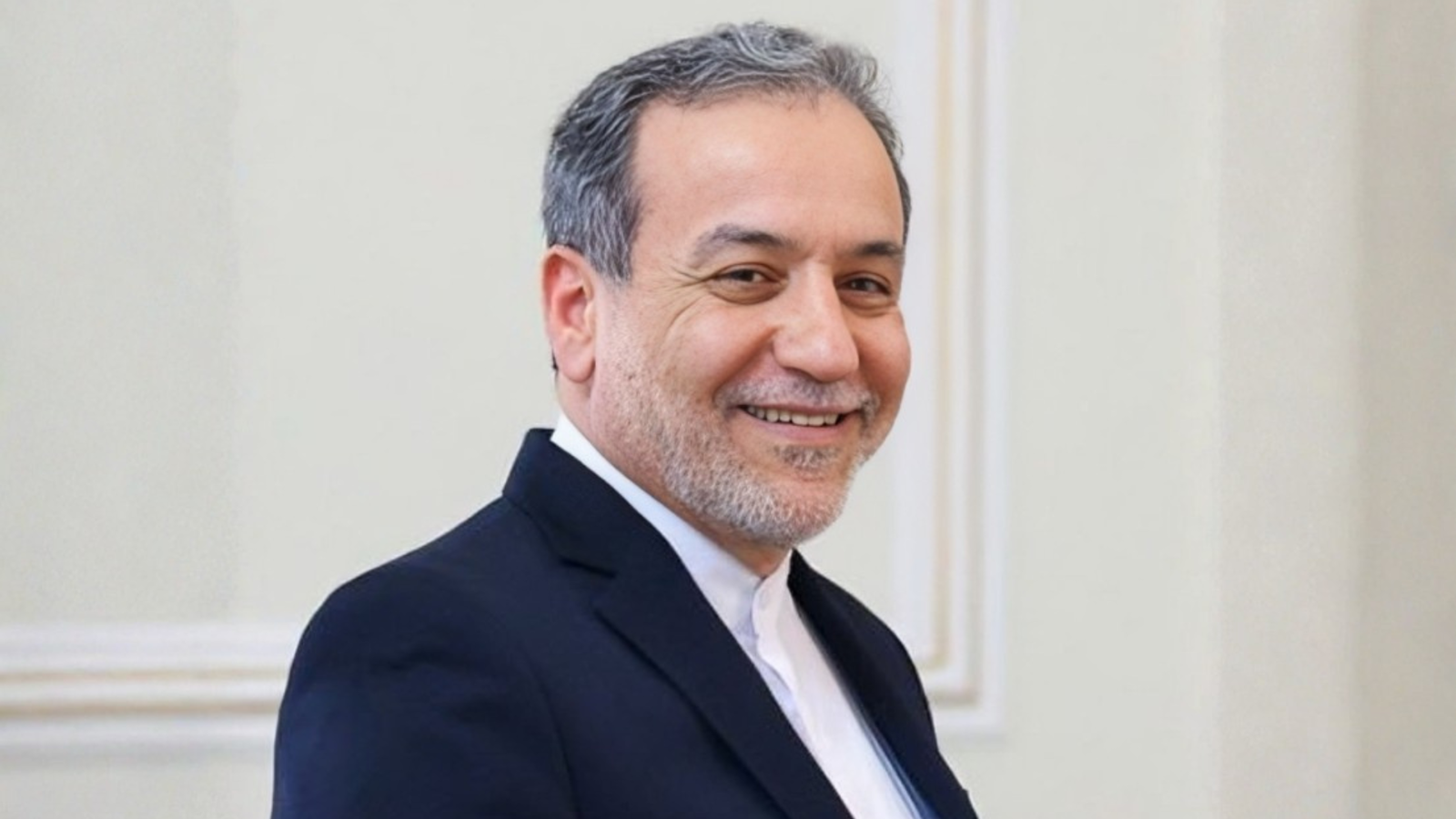
A potential breakthrough between Seyed Abbas Araghchi and the United States fell apart at a critical stage, with Tehran claiming an agreement was nearly finalised before negotiations derailed.
Speaking on April 13, Araghchi said the two sides were close to signing what he referred to as the "Islamabad MoU" during high-level talks held in Pakistan over the weekend. The meeting marked one of the most significant diplomatic engagements between the two countries in nearly five decades, aimed at ending the ongoing West Asia conflict.
Also Read | Hidden mines? What's really blocking Hormuz shipping route?
"In intensive talks at highest level in 47 years, Iran engaged with U.S in good faith to end war. But when just inches away from "Islamabad MoU", we encountered maximalism, shifting goalposts, and blockade. Zero lessons earned," Araghchi wrote on X.
"Good will begets good will. Enmity begets enmity," he added.
In intensive talks at highest level in 47 years, Iran engaged with U.S in good faith to end war.
— Seyed Abbas Araghchi (@araghchi) April 12, 2026
But when just inches away from "Islamabad MoU", we encountered maximalism, shifting goalposts, and blockade.
Zero lessons earned
Good will begets good will.
Enmity begets enmity.
Iran signals openness, but distrust persists
Iran's President Masoud Pezeshkian indicated that diplomacy remains possible, while urging Washington to change its approach.
"If the American government abandons its totalitarianism and respects the rights of the Iranian nation, ways to reach an agreement will certainly be found. I commend the members of the negotiating team, especially my dear brother Mr. Dr. Qalibaf, and say “God gives you strength,"" he wrote on X.
اگر دولت Øمریکا دست از تمامیتŒØ®ÙˆØ§Ù‡ÛŒ بردارد Ùˆ به Øقوق ملت ایرا٠اØترام بگØارد Øتما راهŒÙ‡Ø§ÛŒÛŒ برای دستیابی به تواÙÙ‚ Ùیدا Ù…ÛŒŒØ´ÙˆØ¯.
— Masoud Pezeshkian (@drpezeshkian) April 12, 2026
به اØضای Ù‡ÛŒØت Ù…Øاکره Ú©ÙÙده به ویژه برادر Øزیزم Øقای دکتر قالیبا٠خدا قوت Ù…ÛŒŒÚ¯ÙˆÛŒÙ….
Meanwhile, parliamentary speaker Mohammad Bagher Ghalibaf, who led Tehran's delegation, said Iran entered the talks willing to strike a deal but remained unconvinced by the other side.
Per Hindustan Times, he said "My colleagues on the Iranian delegation Minaab168 raised forward-looking initiatives, but the opposing side ultimately failed to gain the trust of the Iranian delegation in this round of negotiations."
Also Read | Hungary election results: Orbán loses as Magyar’s Tisza heads for majority
US flags nuclear issue as key obstacle
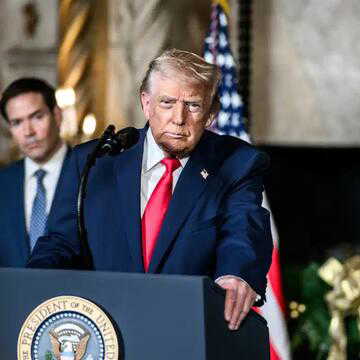
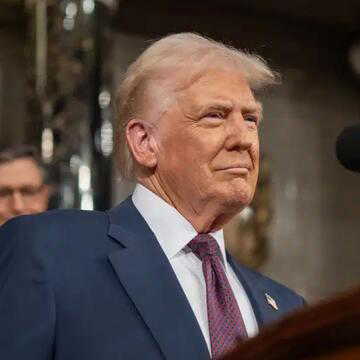
On the American side, Donald Trump said progress had been made on several fronts, but the core issue remained unresolved.
"So, there you have it, the meeting went well, most points were agreed to, but the only point that really mattered, NUCLEAR, was not," Trump wrote on Truth Social.
"IRAN IS UNWILLING TO GIVE UP ITS NUCLEAR AMBITIONS!" he added, while warning Tehran against imposing fees on vessels passing through the Strait of Hormuz.
Following the talks, US Central Command announced a blockade on maritime traffic linked to Iranian ports, stating it would be enforced from April 13 while allowing transit through the Strait of Hormuz for non-Iranian destinations.