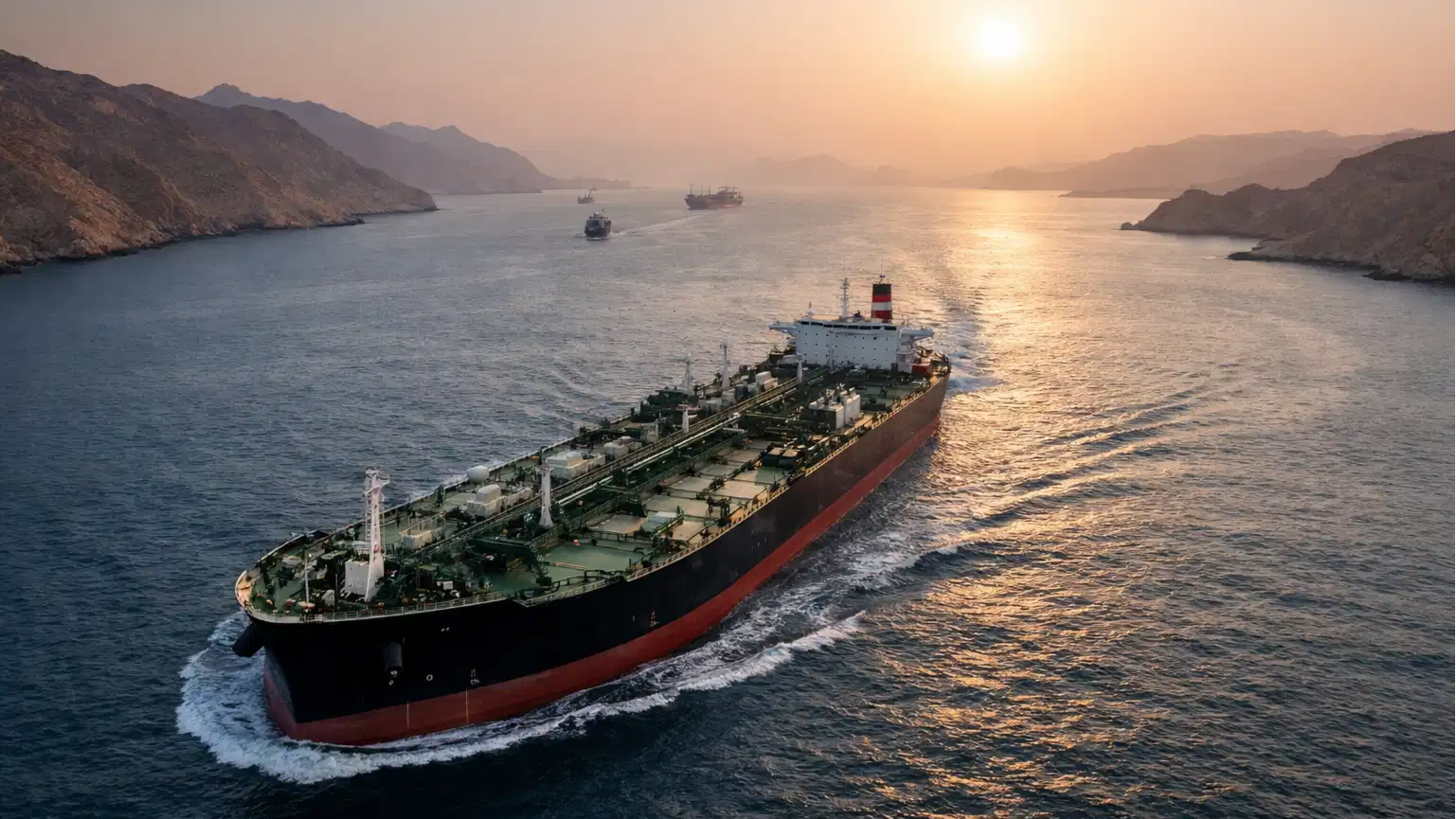
The strategically vital Strait of Hormuz continues to face disruption despite signals from Iran and the United States about a possible reopening. While diplomatic efforts are underway, fresh details suggest technical and operational challenges may be slowing progress.
Mines pose a major hurdle
According to a report by The New York Times citing US officials, Iran is struggling to reopen the waterway because it cannot locate all the mines allegedly placed there during the conflict.
Also Read | ‘Not a credible player’: Israel envoy slams Pakistan’s role in US-Iran talks
Officials indicated that the mines, reportedly laid using small boats in early March, were deployed in a scattered manner. Some may have drifted away from their original positions, making them difficult to trace. The report also noted that Tehran may not have maintained complete records of where the mines were placed.
This lack of clarity, combined with limited technical capability to remove the mines, has emerged as a key factor delaying the full resumption of shipping activity.
Restricted routes and rising tensions
The presence of mines, along with continued drone and missile activity, has significantly reduced movement through the Strait. Reports suggest that only limited, controlled routes remain accessible, possibly after vessels meet certain conditions.
Although there has been no formal confirmation of the mines, Iran's Islamic Revolutionary Guard Corps has warned of potential risks to ships, and semi-official outlets have shared charts indicating safer navigation paths.
The disruption has impacted global energy markets, as the Strait of Hormuz is a crucial route for oil shipments.
Trump's stance on reopening
Amid these developments, US President Donald Trump has maintained that the waterway will reopen soon, regardless of Iran's position.
"Well, I wish them luck. He's got a big thing. I'll find out what's going on. They're militarily defeated, and now we're going to open up the gulf (Strait of Hormuz) with or without a deal. But that'll be open, we're going to be on the straight as they call it," Financial Express quoted Trump as saying.
Also Read | Who is Rubi Kumari Thakur? 26-year-old becomes Nepal’s youngest Deputy Speaker
He also rejected Iran's reported proposal to impose transit tolls, stating, "No, we're not going to allow that, it's international water. If they're doing that, we’re not going to let that happen," he said.
With unresolved security risks and competing claims over control, reopening the Strait remains a complex task.