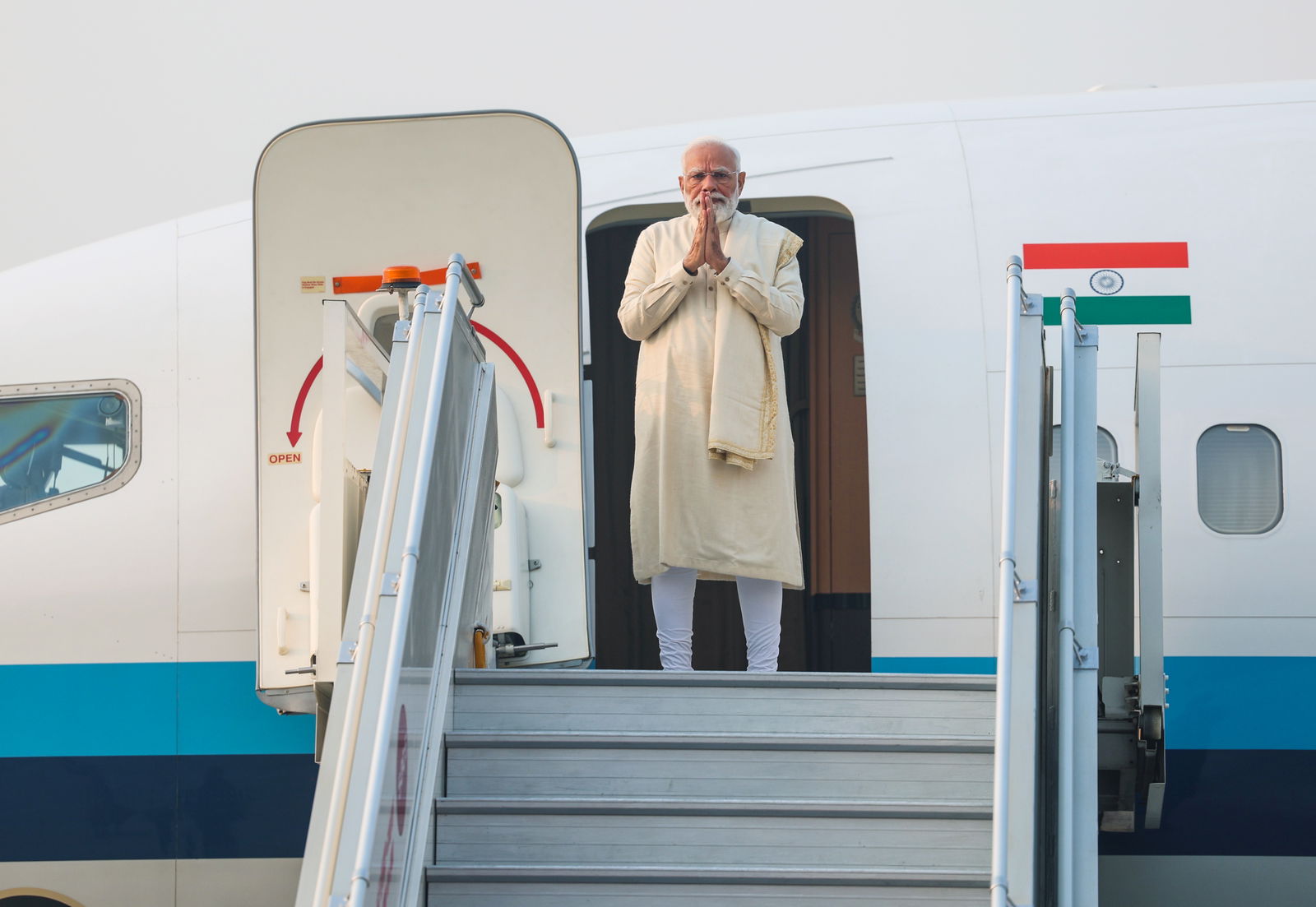
India on Thursday officially took over the rotating presidency of the BRICS grouping for 2026 amid renewed uncertainty over global trade in the face of tariff-driven tensions sparked by US President Donald Trump's policies. Reportedly, inclusive development and giving a greater say to the Global South in international economic governance are likely to be two key priorities of New Delhi.
BRICS expands its footprint
BRICS was formed originally by Brazil, Russia, India, China and South Africa. In the last two years, the bloc has expanded to include Egypt, Ethiopia, Indonesia, Iran and the United Arab Emirates. The BRICS website lists Saudi Arabia as the 11th member, although some reports suggest Riyadh is yet to formally join.
According to data by the World Bank, the expanded BRICS grouping now represents some 49% of the global population, approximately 29% of world gross domestic product and 23% of international trade, underlining its increasing weight economically and demographically.
Also Read | Zohran Mamdani takes office with mass inauguration and immediate housing orders
Trade tensions loom large
As per a report by The First Post, India's presidency kicks in amid strained trade ties with Washington. In August, Trump slapped tariffs of as high as 50% on Indian goods, including a 25% penalty linked to India's purchases of Russian oil. These were the highest duties on any US trading partner and mirrored tariffs imposed on Brazil, which held the BRICS presidency in 2025. The US later withdrew additional levies on several Brazilian food exports, including coffee and beef, in November.
In February, Trump also threatened BRICS nations against the common currency, called the bloc “dead”, and promised to slap 100% tariffs if members tried to challenge the dominance of the US dollar.
“Facing Trump tariffs, India will likely resist confrontational de-dollarisation and instead promote local currency settlements to maintain strategic autonomy during its BRICS presidency,” Nikkei Asia quoted Prerna Gandhi, an associate fellow at the Vivekananda International Foundation think tank in India, as saying.
She further said, "India will also push for reforms in multilateral institutions like the World Trade Organisation and International Monetary Fund while encouraging dialogue that reduces fragmentation and promotes stability in global supply chains."
Raj Kumar Sharma, senior research fellow at New Delhi-based think tank NatStrat, said India would use its presidency to “defend and strengthen multilateralism against any unilateral impulses.”
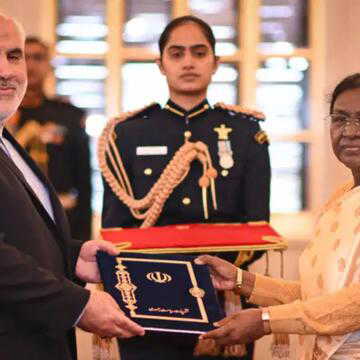
Also Read | Iran ready to share counter-terror expertise with India, says Ambassador Mohammad Fathali
He added, “There is need to strengthen multilateral trading systems during current times when protectionism and tariffs are increasing. At the same time, India will also support reform of global governance institutions like the United Nations Security Council, the World Bank and the IMF.”
Global South focus and expansion debate
Sharma said that food and fuel shortages, debt restructuring, and climate finance will be key issues of India's agenda reflecting its G20 presidency approach of prioritising "human welfare, inclusive development and broad public concerns affecting various countries.
On expansion, he noted that India may seek "clearly defined criteria for BRICS membership" to avoid unplanned growth.