Bangladesh has approved the July National Charter in a national referendum held alongside the February 12 general elections, giving the next government a mandate to begin sweeping constitutional reforms.
According to the Bangladesh Election Commission, voter turnout in the referendum stood at 60.26 per cent. Official figures show 48,074,429 votes were cast in favour of adopting the charter, while 22,565,627 voters rejected it.
Senior Election Commission Secretary Akhtar Ahmed confirmed the numbers while speaking to reporters after the counting concluded.
Also Read | BNP heads for big win after 20 years in opposition; Tarique Rahman urges prayers over victory rallies
The referendum was conducted on the same day the Bangladesh Nationalist Party (BNP), led by Tarique Rahman, secured a decisive win in the parliamentary polls.
What the July Charter proposes?
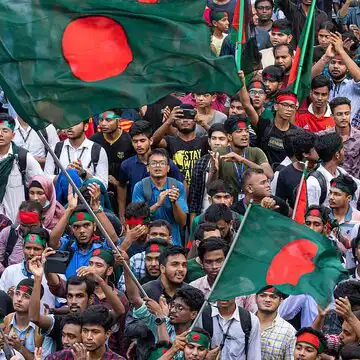
The July National Charter 2025 was prepared following the July 2024 uprising that resulted in the ousting of former prime minister Sheikh Hasina. The proposed charter provides for changes in the structure that are aimed at redistributing executive power and strengthening oversight.
Some of the proposals in the charter include:
A limit on the number of terms a prime minister can serve
Establishment of a 100-member upper house, with representation based on national vote share
Increased powers for the President
Enhanced independence of the judiciary
Increased female representation in Parliament
Opposition leaders to be given positions such as deputy speaker and key committee chairs
Before the voting process, interim leader Muhammad Yunus called on the people to support the charter.
Also Read | 'Trust of the people’: Modi congratulates victory of Tarique Rahman on BNP’s decisive Bangladesh win
What happens next?
With the referendum passed, a Constitutional Reform Council will be set up to draft and implement the required amendments. The framework states that the council must complete its work within 180 working days of its first session.
The incoming BNP-led government will now have to translate the charter’s provisions into legislation, a process that will require parliamentary approval and political negotiation.
The February 12 vote has given formal public backing to a broad restructuring of Bangladesh’s political system. The next phase will determine how quickly and how smoothly those changes are carried out.