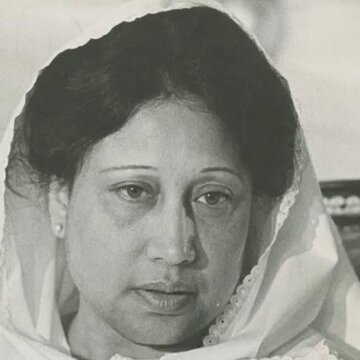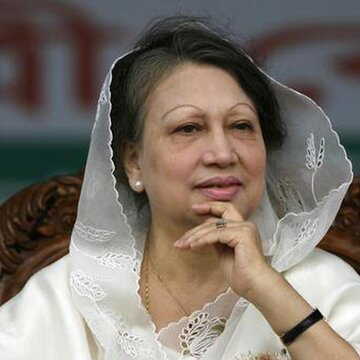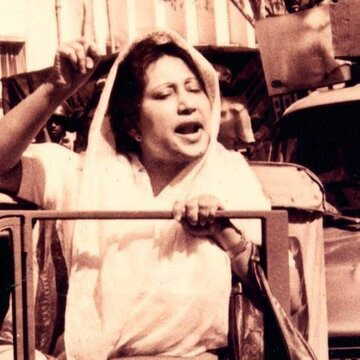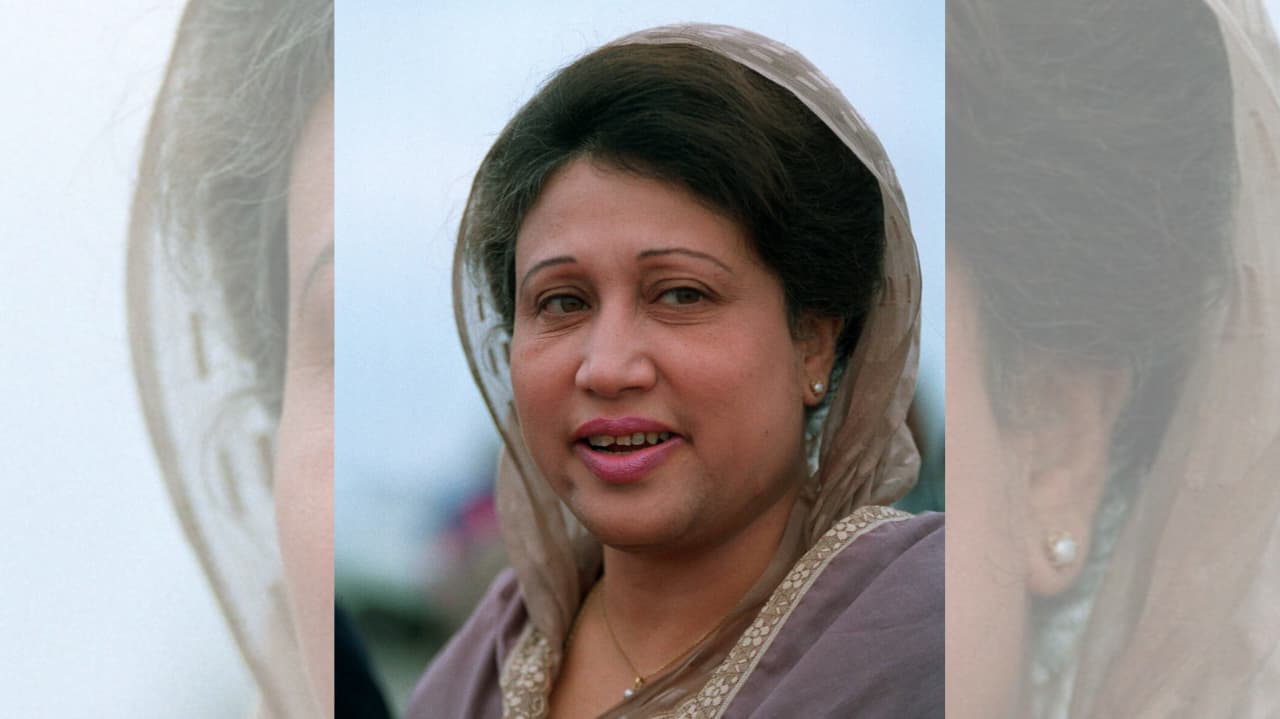
Former Bangladesh Prime Minister and long-time BNP chief Begum Khaleda Zia passed away on Tuesday in Dhaka after a prolonged illness. Bangladesh's first woman Prime Minister, she rose to national prominence following the death of her husband, former President Ziaur Rahman. Her death comes just days after the return of her son and political heir, Tarique Rahman Zia, to Bangladesh after 17 years in exile.
News Ei Samay spoke to international affairs expert and Jadavpur University Department of International Relations Professor Dr. Om Prakash Mishra to understand the political implications of her passing for Bangladesh.
The implications of Khaleda Zia's demise
"She had been very unwell for a long period of time, and her demise has a lot of meanings and implications for the political dynamics in Bangladesh," Dr. Mishra said. He added, "When she was leading the country, India and Bangladesh experienced a high level of cooperation, and at the same time, some of the most difficult years in our bilateral relations."
Dr. Mishra noted that, now that the Bangladesh polity has gone through a significant transformation in the wake of the developments in the country from July and August last year, her demise is going to have an impact, especially on the prospects of her political party, the BNP. "In my understanding, it (Zia's demise) may help her son to galvanise forces for the elections due in February," the professor further noted.
On the implications of her death on the political fabric of Bangladesh, Dr. Mishra said, "However, there are many questions related to Tarique (Rahman) Zia, and it is, of course, the people of Bangladesh who might be able to express themselves in a more appropriate manner within this instability, as to choose the next leader of Bangladesh."
India-Bangladesh relations post-Zia
"So far as India-Bangladesh relations are concerned, this is dictated by the aspirations and interests of both countries. Geography is a powerful binder, and we have a history of cooperation, as well as some form of competition," Dr. Mishra said.
Also Read | From Dhaka to global capitals, 5 key moments when Khaleda Zia’s leadership left foreign leaders taking note
He highlighted that there were reservations against the BNP, but said that much depends on the political dynamics in Bangladesh, and how it's going to shape up in the near future.
Khaleda Zia served as the Prime Minister of Bangladesh three times. After the end of HM Ershad's military rule, the subsequent elections brought the BNP to power. Khaleda Zia became the country's first woman Prime Minister after the 1991 polls.