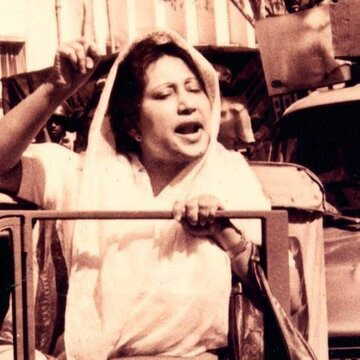
For much of South Asia’s recent political history, Khaleda Zia has remained a complex and consequential figure. As Bangladesh’s first woman prime minister and later its first woman opposition leader to complete a full term in office, Zia often found herself engaging with global leaders at moments of regional uncertainty.
During much of her political life, Khaleda Zia was locked in intense battles at home. Yet beyond Bangladesh’s borders, she was often seen differently: as a leader who carried the weight of a young democracy and spoke with a quiet firmness that resonated in foreign capitals.
While her domestic politics were fiercely contested, several episodes stand out where her leadership style and political instincts drew attention well beyond Bangladesh’s borders.
Here are five such moments.
Steering Bangladesh’s democracy after the 1991 transition
When Khaleda Zia took office in 1991, Bangladesh was emerging from years of military-backed rule. Foreign governments, particularly in Europe and North America, were watching closely to see whether parliamentary democracy would survive. Zia’s decision to restore a fully functional parliamentary system and reduce the powers of the presidency was widely welcomed. Western diplomats and Commonwealth leaders viewed the move as a rare instance of a new leader willingly limiting executive authority to strengthen institutions.
Also Read | Global leaders express grief as Bangladesh loses former Prime Minister Khaleda Zia
Handling relations with India during sensitive border negotiations
During her first term, Zia engaged Indian leadership on long-pending issues such as trade, transit and border management. While bilateral ties often carried historical baggage, Indian policymakers noted her willingness to engage without abandoning Bangladesh’s negotiating position. Her approach, firm yet diplomatic, helped maintain dialogue during periods when regional relations were under strain.
Standing her ground at international forums on sovereignty
At the United Nations and SAARC summits in the 1990s, Zia consistently emphasised national sovereignty and non-interference, particularly for smaller developing nations. Her speeches, delivered at a time when globalisation was accelerating, resonated with leaders from Africa and Asia who shared similar concerns. Diplomats recall her as articulate and uncompromising when defending Bangladesh’s interests on the global stage.
Managing economic reforms while courting global investors
In her later term as prime minister (2001–06), Zia balanced domestic political pressures with the need to attract foreign investment. Meetings with World Bank, IMF and Asian Development Bank officials often highlighted her pragmatic understanding of economic reform, despite resistance at home. International lenders credited her government with maintaining macroeconomic stability in a challenging regional environment.
Also Read | Khaleda Zia, former Bangladesh PM and BNP Chief, passes away at 80 in Dhaka
Commanding respect during political crises
Perhaps most striking was Zia’s posture during periods of intense political confrontation, particularly in the run-up to the 2006–07 crisis. Visiting foreign envoys often noted her calm demeanour and insistence on constitutional processes, even as the political climate deteriorated. While outcomes remained contested, her ability to articulate her position clearly earned respect among international observers.
These moments underline why Khaleda Zia continued to be regarded, internationally, as more than just a domestic political actor.
After her recent death, her career and legacy offers a study in resilience, shaped by democratic conviction, regional realism and an unyielding sense of political identity.