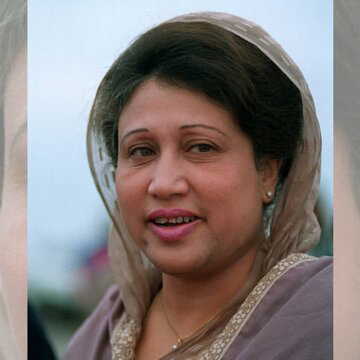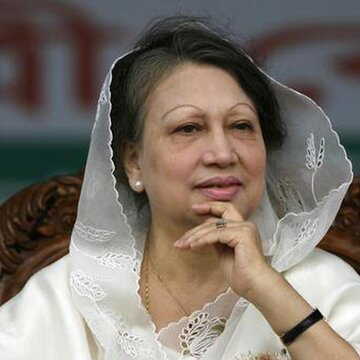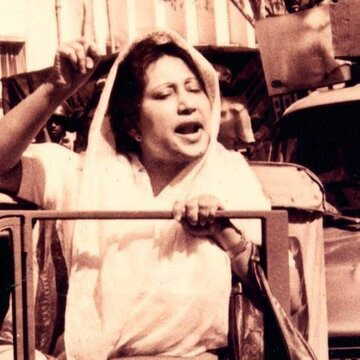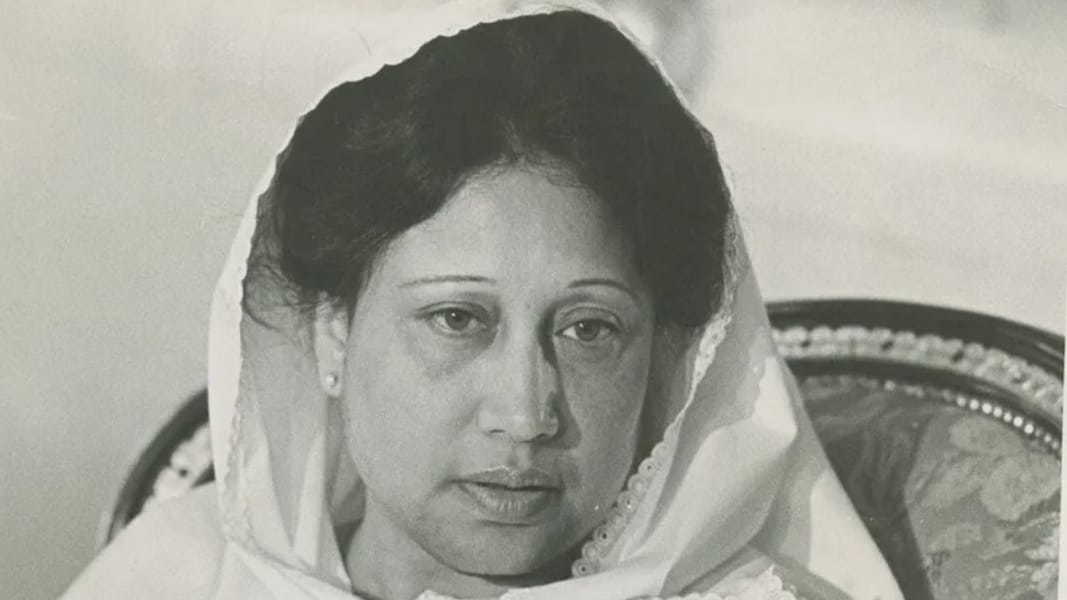
Former Bangladesh Prime Minister and long-time BNP matriarch Begum Khaleda Zia breathed her last on Tuesday in Dhaka after suffering from prolonged ailments. The first woman Prime Minister of Bangladesh, Khaleda Zia rose to political prominence after her husband and former Bangladesh President Ziaur Rahman's death.
An arch nemesis of ousted Prime Minister and Awami League chief Sheikh Hasina, she was among the two 'begums' who ruled over Bangladesh's political landscape for decades. Her death comes just days after her son and successor, Tarique Rahman Zia's return to the country after being in exile for 17 years.
News Ei Samay spoke with international affairs expert and professor at the Department of International Relations, Jadavpur University, Dr. Iman Kalyan Lahiri, on the implications of Khaleda Zia's death on the political situation in Bangladesh.
Also Read | From Dhaka to global capitals, 5 key moments when Khaleda Zia’s leadership left foreign leaders taking note
'Loss for Bangladesh'
"Considering the current situation in Bangladesh, what we have been witnessing now, particularly when the election is supposed to be held in February, I feel that it is a loss for Bangladesh," Dr. Lahiri said. He added, "When India is trying to restore democracy in Bangladesh in the next elections, Khaleda Zia's party BNP is one of the major instruments on which India is relying."
Dr. Lahiri further said that after her passing away, Khaleda Zia's son Tarique Rahman will have to gain the confidence of the people at large and redefine everything. "This is because Jamaat, NCP, and the other parties operating in Bangladesh are having a strong anti-India sentiment," he said.
Also Read | Global leaders express grief as Bangladesh loses former Prime Minister Khaleda Zia
'India can bank on BNP'
Dr. Lahiri asserted that, like the Awami League, the BNP maintained good relations with India when it was in power. He said, "They, as a party, ruled the country. Also, they added to the constitutional framework of Bangladesh." He noted that the other parties that are coming up in Bangladesh are not adhering to the constitutional provisions of Bangladesh. He pointed out that India can rely more on BNP and any other party in Bangladesh right now.
Khaleda Zia served as Bangladesh's Prime Minister three times, from 1991 to 1996, briefly in 1996, and again between 2001 and 2006. After the end of military rule, the 1991 elections brought the BNP to power, making her the country's first woman Prime Minister.