Singapore's fight against dengue has led to an unusual solution: releasing millions of mosquitoes into the environment.
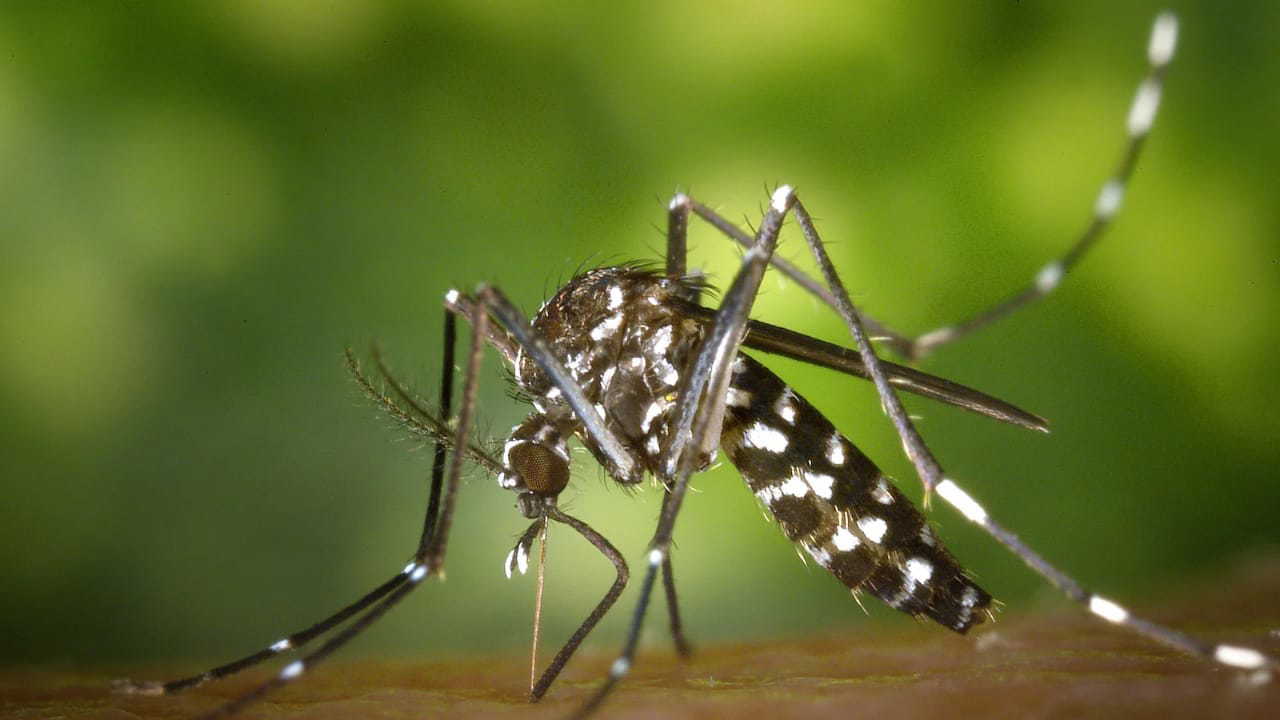
At first glance, the strategy may sound counterintuitive. However, health authorities in Singapore say the programme is helping reduce the population of Aedes aegypti mosquitoes, the primary carriers of dengue fever. The initiative, known as Project Wolbachia, has become one of the country's most significant public health efforts against mosquito-borne diseases, per a report by Hindustan Times.
What is Project Wolbachia?
The programme involves releasing male Aedes aegypti mosquitoes that carry a naturally occurring bacterium called Wolbachia.
Also Read | ‘Think carefully before sponsoring'; Canada warns against marriage fraud as immigration scams rise
When these male mosquitoes mate with female mosquitoes in the wild that do not carry the bacterium, the resulting eggs fail to hatch. Over time, repeated releases lead to a decline in the mosquito population responsible for spreading dengue. Importantly, only male mosquitoes are released, and male mosquitoes do not bite humans.
Singapore's National Environment Agency has gradually expanded the project across the city-state, with plans to cover around half of all households by the end of 2026, reported HT.
How effective has the strategy been?
According to studies and official data cited by HT, the Wolbachia programme has significantly reduced mosquito populations and dengue transmission in treated areas.
Trials have shown reductions in dengue cases of up to 70 per cent in neighbourhoods where the mosquitoes were released. Authorities have also reported substantial declines in Aedes aegypti populations in several high-risk zones.
According to Hindustan Times, the success of the programme has attracted global attention, with researchers and public health experts viewing it as a promising alternative to traditional insecticides.
Why not use pesticides instead?
Experts told Hindustan Times that the mosquitoes are increasingly developing resistance to chemical insecticides. The Wolbachia method offers a targeted approach that focuses on a specific mosquito species while reducing reliance on pesticides.
Also Read | ‘Detrimental for international relations’: Putin on pressure over India-Russia ties
Scientists also consider the strategy more environmentally friendly because it does not involve genetic modification or widespread chemical spraying.
A model for other countries?
Singapore's success has inspired interest from other countries facing dengue outbreaks.
Similar Wolbachia-based mosquito control programmes are being explored or expanded in different parts of the world. Recent proposals in the United States have also drawn attention to the technology, with plans to release millions of Wolbachia-infected male mosquitoes to suppress disease-carrying populations.
As dengue continues to pose a major public health challenge in tropical regions, Singapore's mosquito-release programme is increasingly being seen as a model for innovative disease control.