 The moment of return to Earth
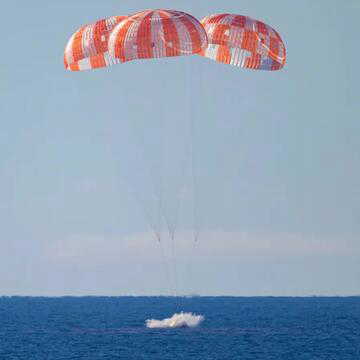
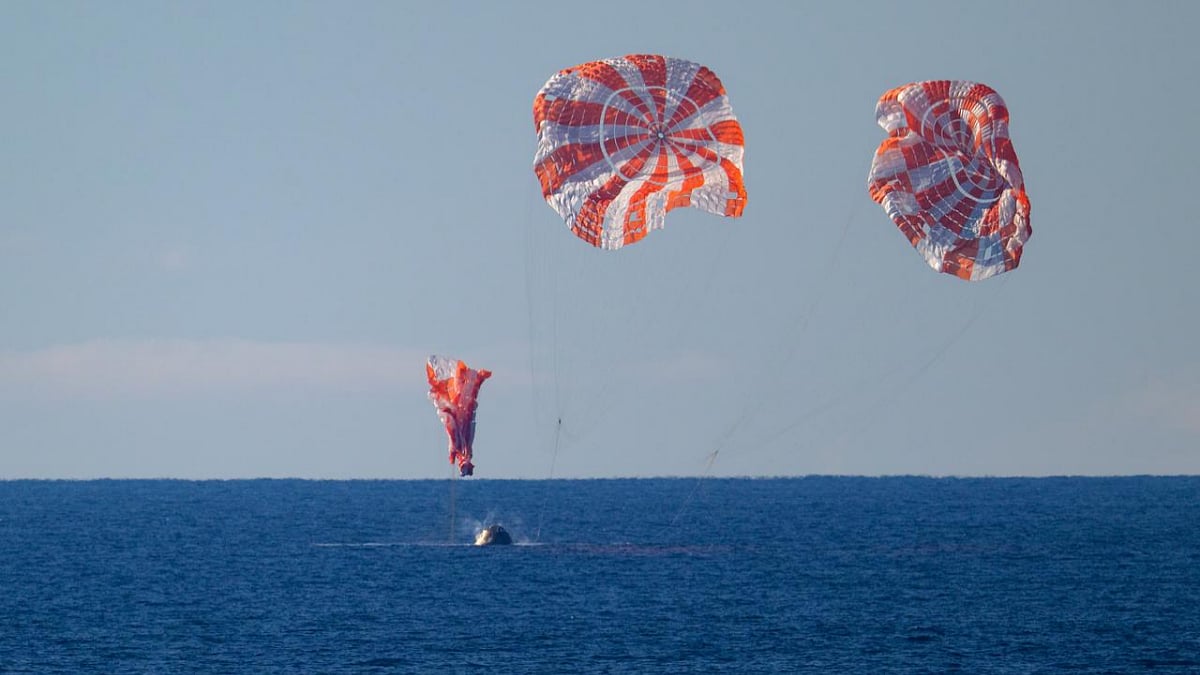
The astronauts of Artemis II have returned to Earth. On Saturday at 5:37 AM (Friday 5:07 PM American time), after completing their orbit around the Moon, the return of these four mission astronauts has become memorable in the history of Earth's space research.
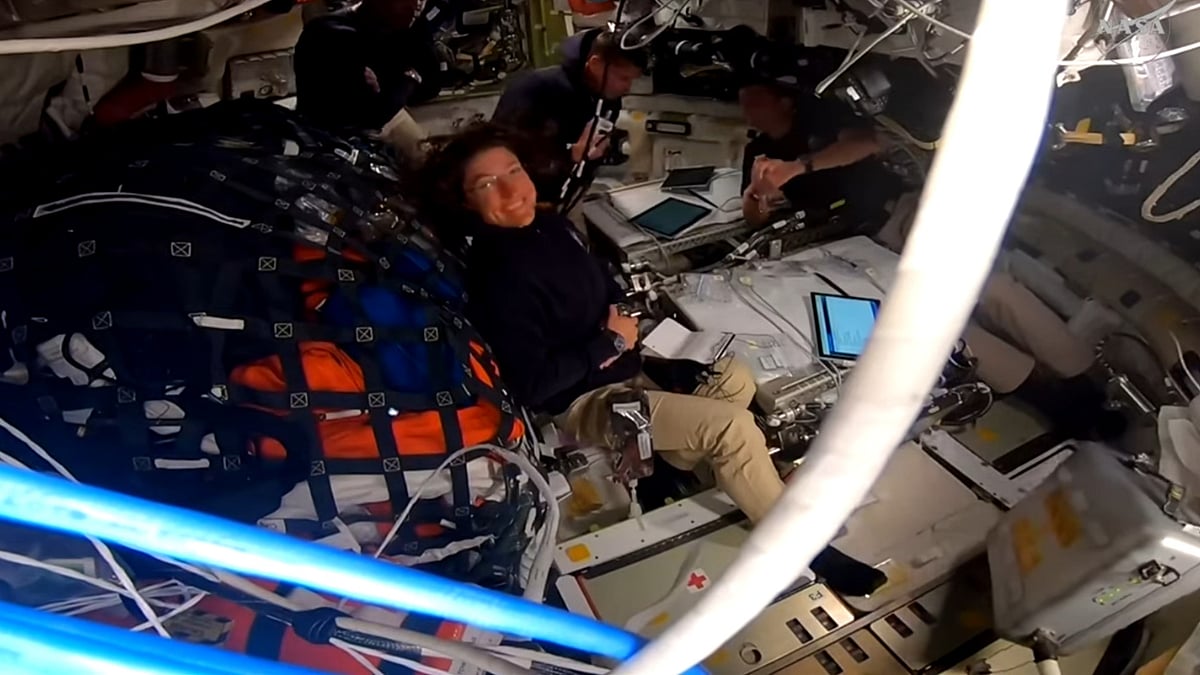 Astronauts of the Orion capsule
After nearly 56 years, humans had once again journeyed toward the Moon. Since the 'Orion' spacecraft departed from Florida on April 1, people on Earth had been waiting with bated breath for their return.
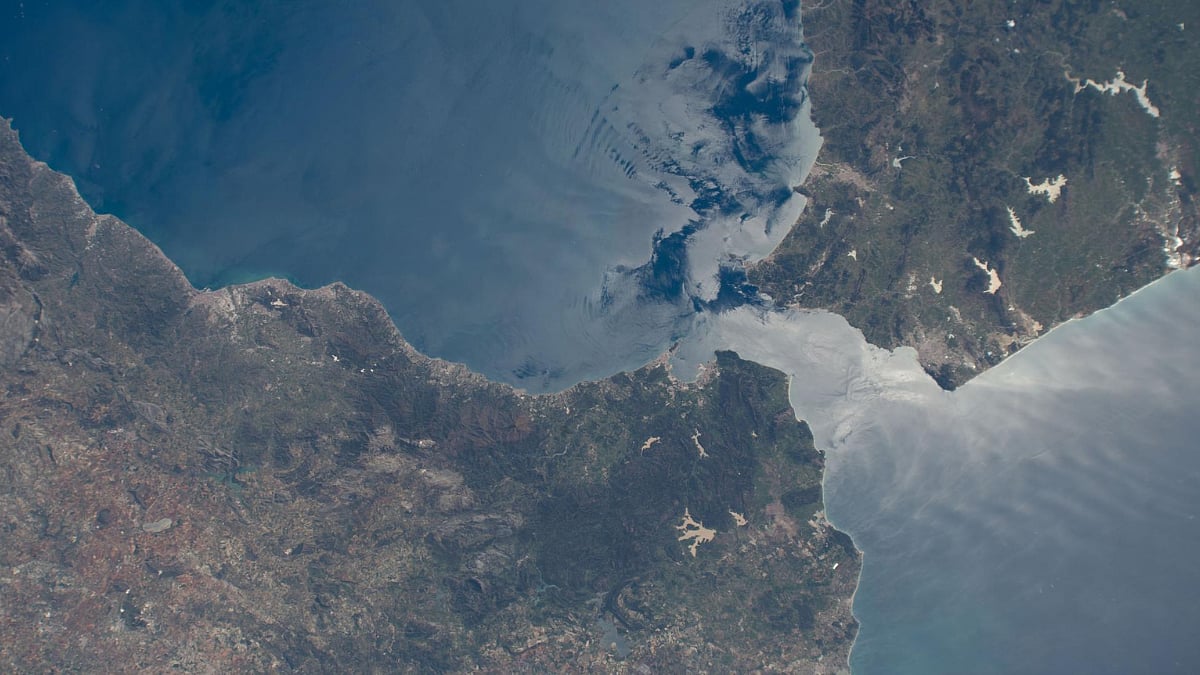 View of the Strait of Gibraltar from Orion
The Orion capsule astronauts were brought down through a splashdown using massive parachutes over the Pacific Ocean coast. According to Artemis-2 Commander Reid Wiseman, it was 'an extraordinary journey'.
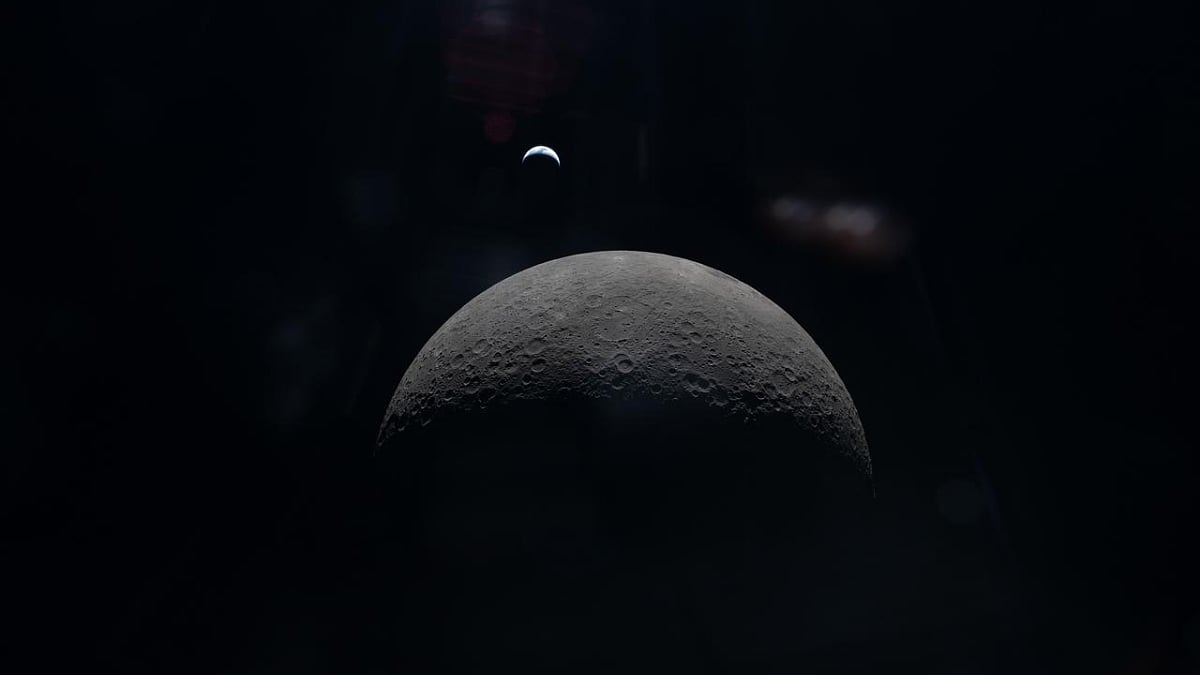 The bright Moon and Earth in the darkness of space
This long journey of 695,000 miles from start to finish was not smooth. Communication disruptions with NASA, toilet problems, and freezing cold cabin issues troubled Orion's astronauts, but all obstacles surrendered to their strong determination.
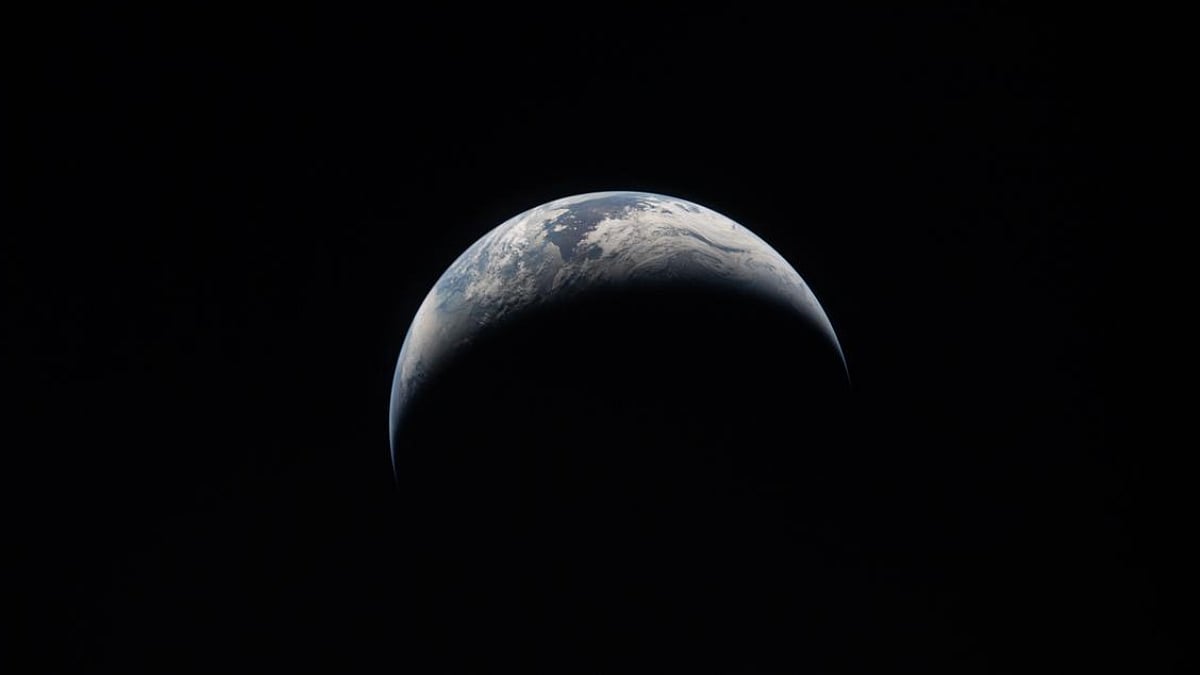 The unprecedented beauty of Earth
How does our blue planet look from space? The photographs sent by the Orion capsule astronauts have captivated people on Earth.
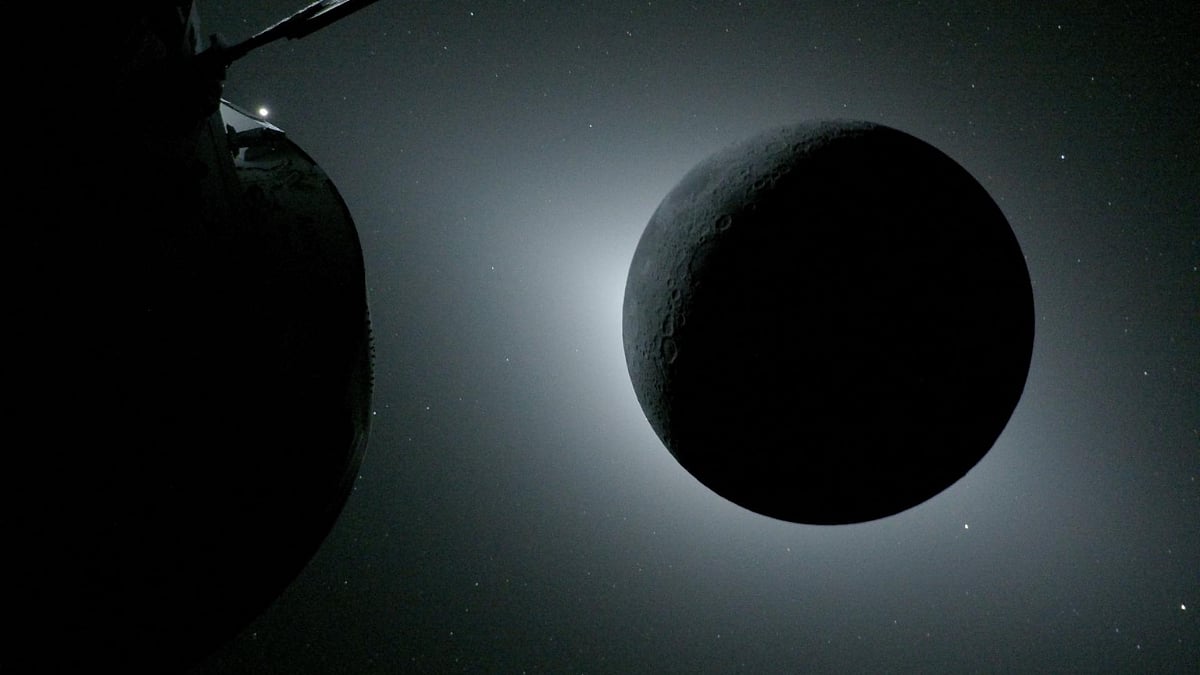 Orion traveled millions of miles
Artemis-2's Orion capsule has set a new record by traveling a distance of 406,771 kilometers, breaking even Apollo-13's record.
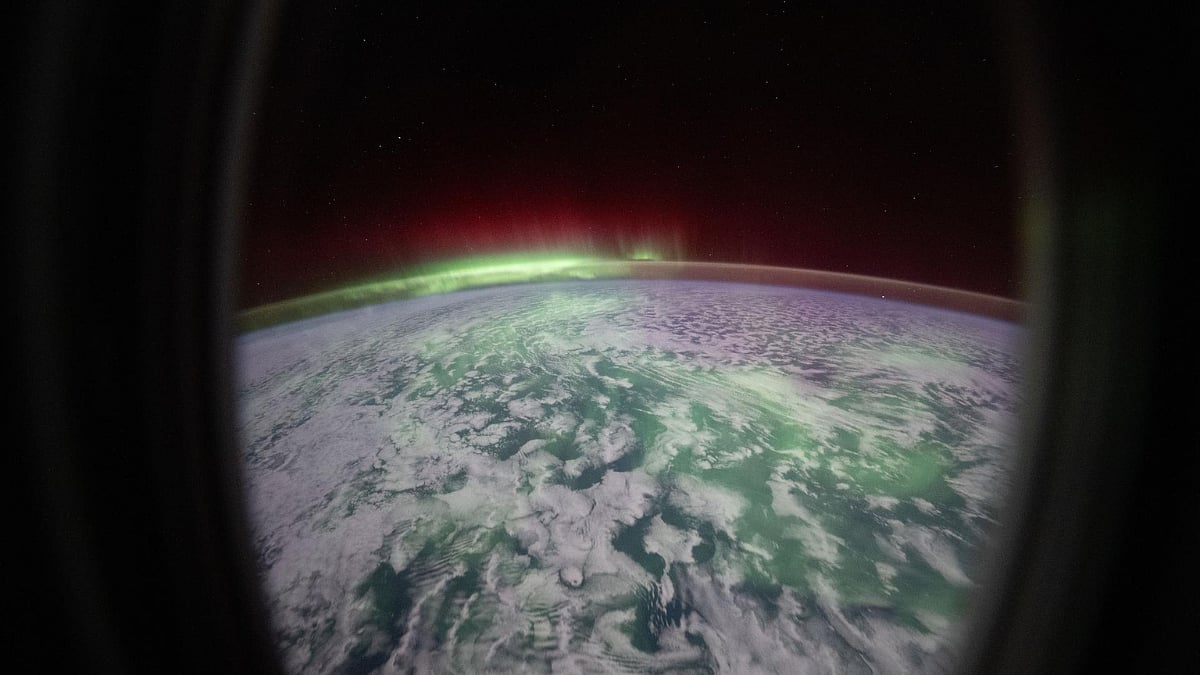 The blue planet appears even more illuminated
From the Orion capsule's window, the blue planet appeared even brighter. These four astronauts also witnessed the unprecedented sight of meteor showers from space.
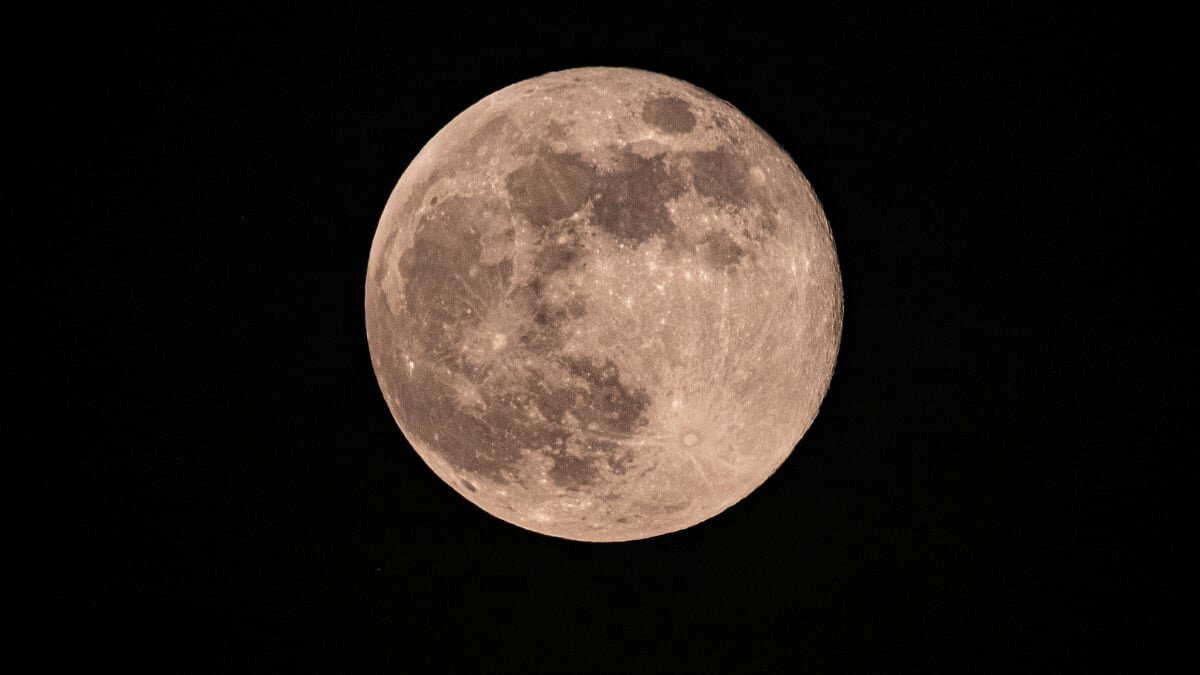
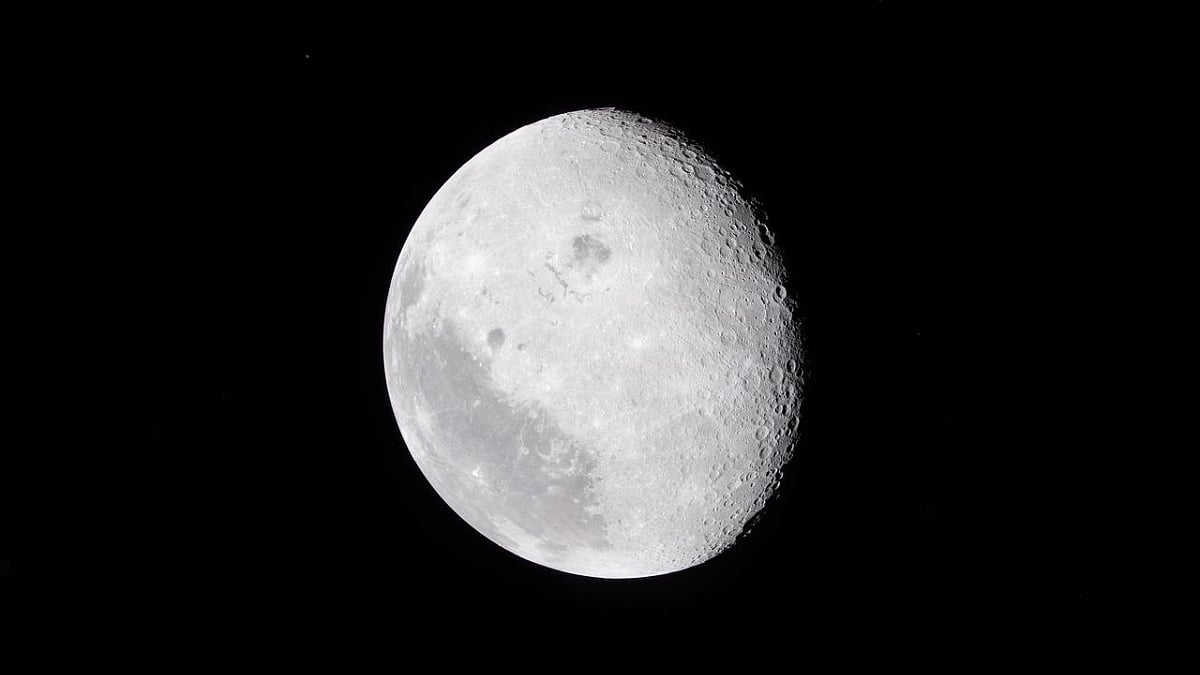 The extraordinary view of the Moon from space
And how does the Moon look from space? These four Orion astronauts have brought back those photographs as well.
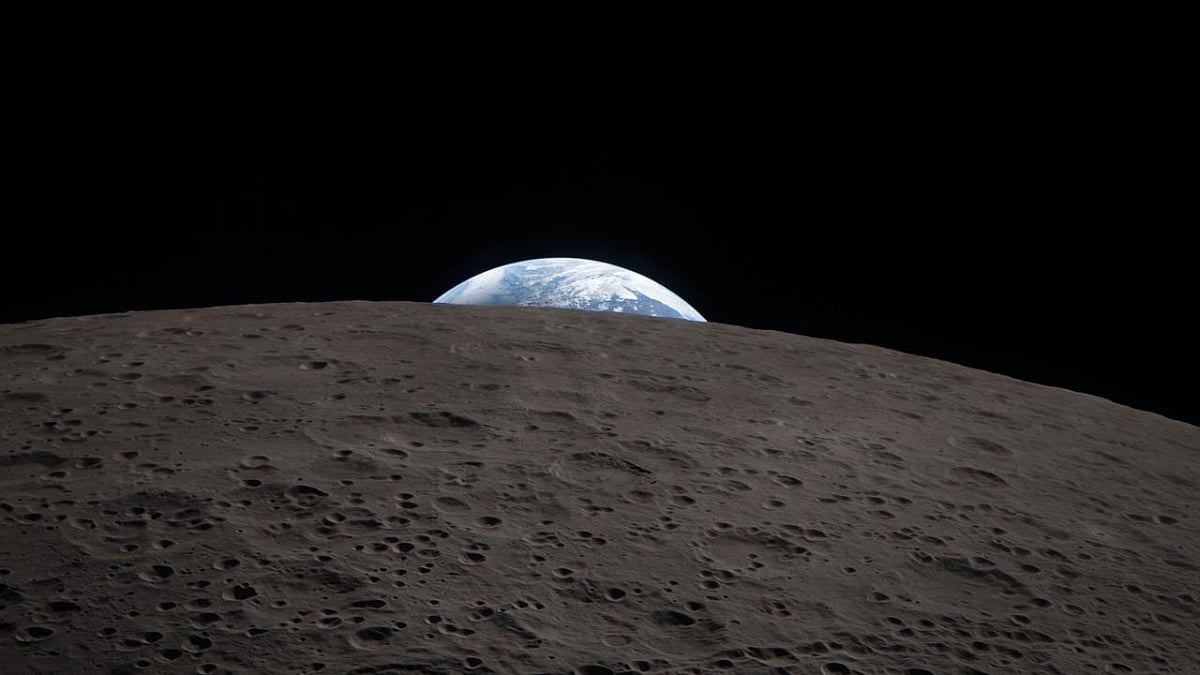 How does Earth look from the Moon?
Artemis 2 astronaut Christina Koch has stated, "The view of the Moon from space cannot be expressed in words. The Moon's own beauty is extraordinary. This magic is impossible to understand from Earth."
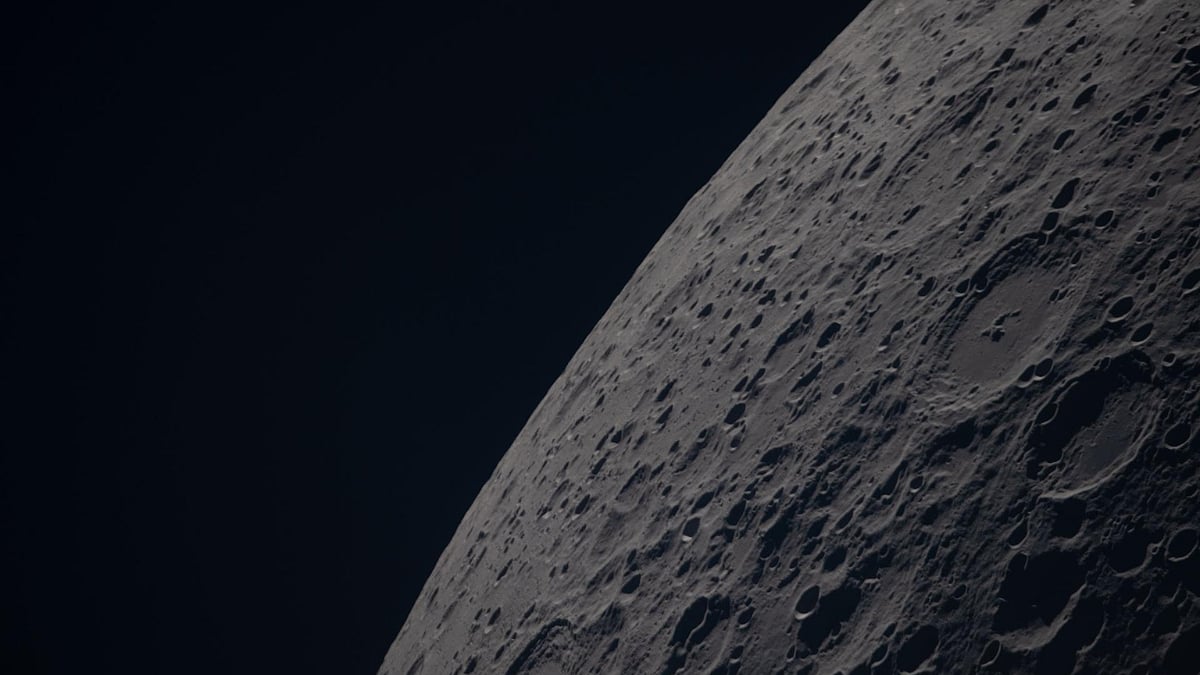 Images of the Moon's craters
The photographs taken from Orion have shown the Moon's craters (Vavilov Crater) more clearly. Additionally, this mission has provided humans with photographs of the Moon that were not available before. Images of the Moon's mysterious side, the South Pole-Aitken Basin, were also obtained in this expedition. NASA is optimistic that this will help humans reach the Moon's farthest part in the future.