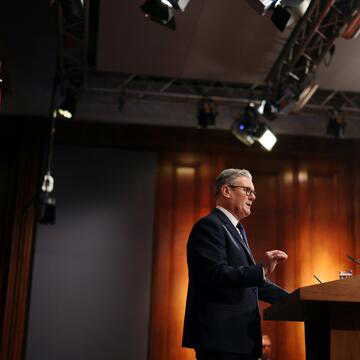
British Prime Minister Keir Starmer said on Monday that he would step down, promising an orderly transfer of power by September at the latest as Labour moves to choose a new leader.
In a resignation statement outside 10 Downing Street, Starmer said he would remain in office in a caretaker capacity until the transition is complete. The move followed weeks of growing pressure inside Labour after a sharp drop in public confidence and a series of political setbacks that eroded the goodwill he won with his landslide election victory in 2024.
Also Read | US clears Iranian oil sales for 60 days as peace talks gain momentum in Switzerland
Andy Burnham appears set to become the UK's prime minister after he was sworn in as MP and Keir Starmer announced his departure as Labour Party leader https://t.co/CU93KxHJh6 pic.twitter.com/hCwmzpvQ6y
— Bloomberg (@business) June 22, 2026
Burnham emerges as frontrunner
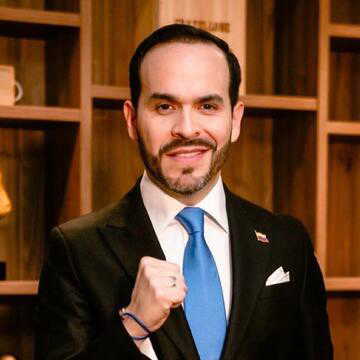
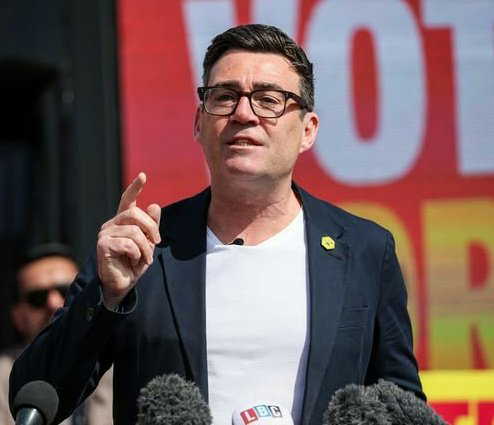
The immediate trigger came after Andy Burnham won a special parliamentary election last week, prompting Labour lawmakers to rally around the former Greater Manchester mayor as the most likely successor.
Burnham returned to Parliament on Monday and was sworn in amid cheers from colleagues, while one heckler shouted, “He’s not the Messiah!” Burnham later confirmed on social media, “I will put myself forward as part of this process.”
Former health secretary Wes Streeting, once seen as Burnham’s main rival, said he would back him, making a contested leadership race less likely.
Europe recalibrates
Starmer’s exit also immediately rippled through European diplomacy. An upcoming EU-UK summit scheduled for July 22 was postponed after his resignation.
European Council President António Costa said, “For sure we need to postpone it,” adding that he hoped Starmer’s successor would continue the path of resetting relations with the bloc.
European Commission President Ursula von der Leyen praised Starmer’s record, writing that “European and Ukrainian security is stronger because of you.” Ukrainian President Volodymyr Zelenskyy also thanked him for cooperation and support, while Germany’s Friedrich Merz described him as “a reliable and close partner in foreign policy questions, particularly regarding Ukraine.”
Moscow remains unimpressed
Reactions from Moscow were far less warm. Kremlin spokesman Dmitry Peskov said Starmer had not done anything to distinguish himself on British-Russian relations and that he had “always been in favour of keeping relations at a zero level".
Peskov added that it was unlikely anyone in British politics would take a meaningfully different position on Russia. Starmer’s resignation means Britain is set for its seventh leader in 10 years, underscoring the political churn that has defined the country’s recent years.
Labour faces its next chapter
Starmer’s departure comes at a politically charged moment, with Britain still marking the long aftershocks of Brexit and with the next general election not due until 2029.
His announcement made him the sixth prime minister in a decade to stand outside No. 10 and declare they were leaving office. For Labour, the coming days now shift from governing to succession management, with Burnham positioned as the leading contender and Streeting’s support making a smoother handover more likely.
Also Read | Why did Keir Starmer resign? UK's PM steps down amid Labour unrest
FAQs
Q1: Why is Keir Starmer stepping down as UK prime minister?
Ans: Keir Starmer announced his resignation after facing growing pressure within the Labour Party following a series of political setbacks and declining public support.
Q2: Who is likely to succeed Keir Starmer as Labour leader?
Ans: Andy Burnham has emerged as the frontrunner to replace Starmer after securing backing from several Labour lawmakers and senior party figures.