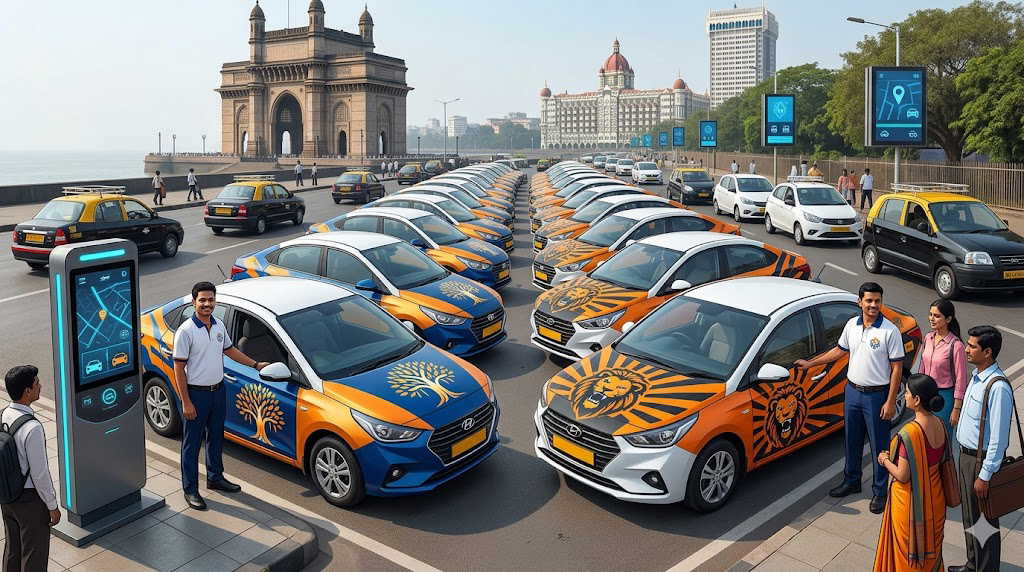
Mumbai could soon see a new player in its ride-hailing ecosystem, with the Maharashtra government preparing to roll out two cooperative taxi services named 'Devabhau' and 'Chhava'.
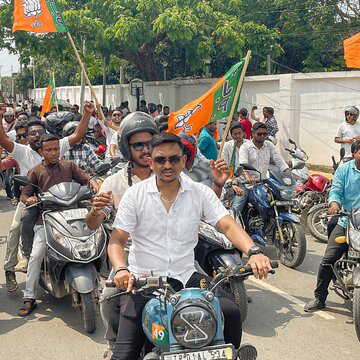
The initiative, backed by the BJP, is being pitched as an alternative to private aggregators such as Ola, Uber and Rapido, with a focus on generating employment for Marathi youth and increasing drivers' earnings by reducing commission charges.
However, even before its official launch, the project has become politically contentious, with opposition leaders and activists raising questions about financing, transparency and political branding.
How the proposed taxi service will work
According to CNBC TV18, BJP MLC Pravin Darekar said the project draws inspiration from the Bharat Taxi model already operating in several Indian cities.
The first phase is expected to deploy between 2,000 and 5,000 taxis across Mumbai and the Mumbai Metropolitan Region.
Under the slogan "Apali Taxi, Apali Malaki" or "Our Taxi, Our Ownership", participating drivers will continue to own their vehicles while operating under the cooperative platform.
According to Darekar, registrations are already underway, and the project has received approval from Chief Minister Devendra Fadnavis after consultations with Transport Minister Pratap Sarnaik.
The stated objective is to create a driver-owned ecosystem where profits flow directly to operators instead of commission-based technology platforms.
Also Read | India's groundwater crisis deepens: Why Hyderabad, Punjab and Karnataka are running out of water?
Loans and subsidies form a major part of the plan
The financial structure of the scheme also stands out.
According to CNBC TV18, taxi operators will reportedly be eligible for loans from Mumbai Bank at an interest rate of 10 per cent for vehicle purchases.
The government also plans to offer interest reimbursement through various state corporations, including those catering to OBC communities and economically weaker sections.
Combined subsidies could significantly reduce the effective borrowing burden on beneficiaries.
The government argues that this will make vehicle ownership more accessible and encourage self-employment among young people.
Also Read | Mumbai monsoon delay: Two key reasons behind the late arrival
Critics question the political branding
The proposal has nevertheless triggered criticism.
According to CNBC TV18, social activist Anjali Damania questioned whether a cooperative bank that manages public deposits should be financing a politically branded project.
She demanded transparency on eligibility criteria, loan disbursal mechanisms and possible conflicts of interest.
The Maharashtra Congress has also raised concerns.
Party leaders have argued that Mumbai Bank belongs to depositors and ordinary citizens, not political parties, and called for a complete disclosure of the project's financial structure.
They have further sought clarity on whether public money is being used to promote a politically associated brand.
A bigger battle against private aggregators
Beyond the political controversy, the project reflects a larger shift taking place across India's mobility sector.
Governments in several states are exploring alternatives to private aggregators amid concerns about commission rates, driver welfare and market dominance.
If implemented successfully, Devabhau and Chhava could become one of India's biggest experiments in cooperative urban transport.
Whether the initiative transforms mobility in Mumbai or becomes another political flashpoint will depend on its execution, transparency and public acceptance.