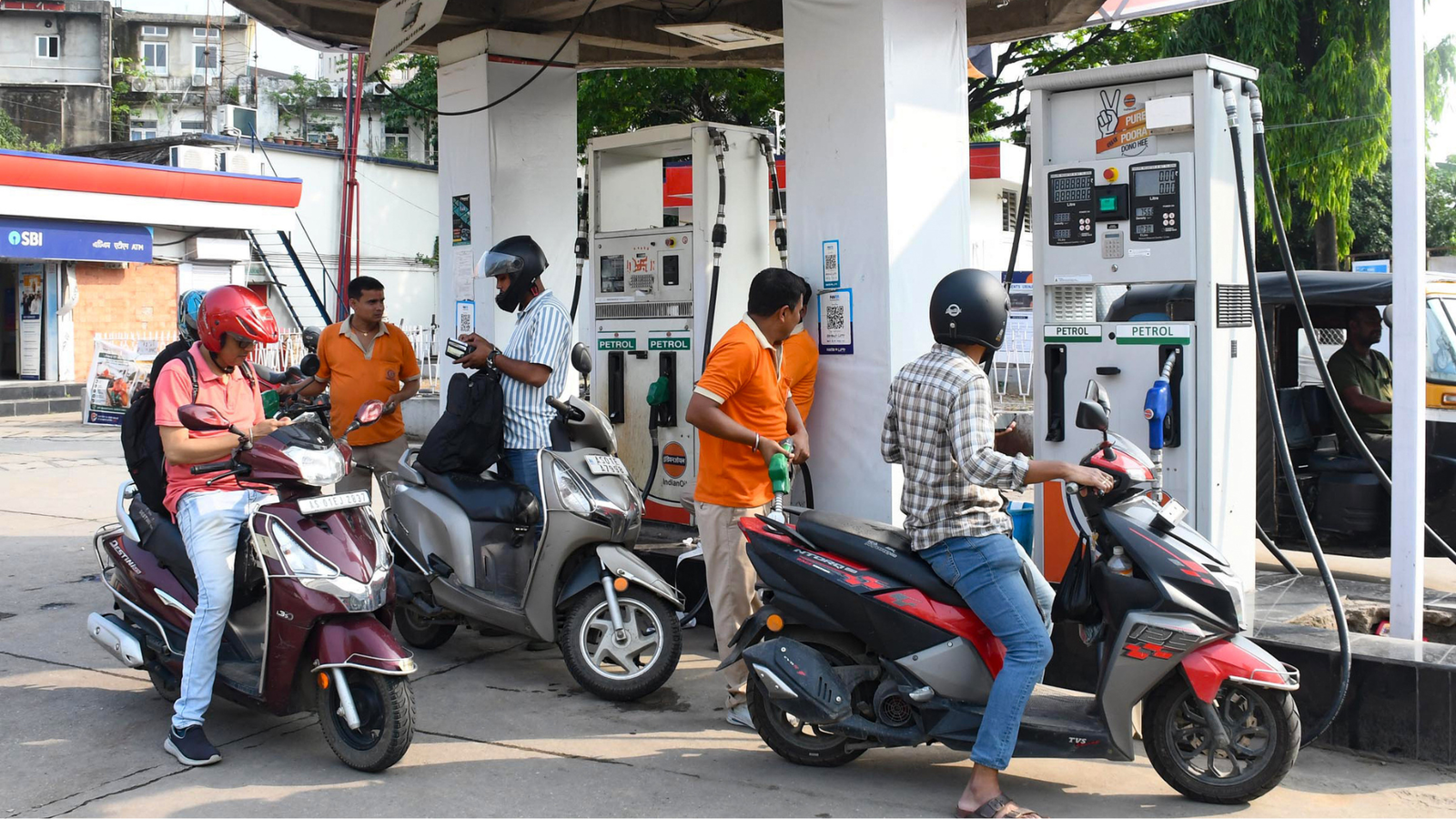
Buying a car in India is no longer a straightforward affair. For decades, buyers largely debated between petrol and diesel before CNG entered the mix. Today, however, the decision is far more complex.
Electric vehicles are steadily gaining popularity, ethanol-blended fuels are being rolled out nationwide and flex-fuel vehicles are emerging as the next big conversation in the auto industry. Amid all this, traditional petrol cars remain the default choice for millions.
The bigger question for consumers is no longer about horsepower or features. It is about which technology will remain economical over the next five to seven years.
Ethanol fuels may help India, but consumers should look deeper
According to NDTV, India has aggressively pushed ethanol blending to reduce its dependence on imported crude oil.
E20 fuel, which contains 20 per cent ethanol, has already become a national milestone. Higher blends such as E80 and E100 are also part of the country's long-term strategy.
While this may strengthen India's energy security, consumers need to understand the trade-offs.
Ethanol contains less energy than petrol, which means vehicles often deliver lower mileage. Experts also point out that older engines not designed for higher ethanol concentrations may experience faster wear and tear because ethanol attracts moisture.
Simply put, a lower fuel price at the pump does not automatically translate into savings if the vehicle consumes more fuel to cover the same distance.
Also Read | What is LRLACM? The indigenous missile drawing comparisons with Tomahawk
Flex-fuel vehicles offer freedom, but not necessarily bigger savings
According to NDTV, flex-fuel vehicles are designed to run on varying combinations of ethanol and petrol.
The appeal is obvious. Drivers gain the flexibility to choose whichever fuel is cheaper or more easily available.
However, these vehicles come with their own costs.
Manufacturers need to install specialised sensors, corrosion-resistant components and modified fuel systems, all of which increase the purchase price.
Industry experts say consumers should avoid being swayed by fuel prices alone. The true calculation lies in the cost per kilometre driven.
Unless ethanol remains significantly cheaper than petrol, the financial advantage of flex-fuel vehicles may not be dramatic enough to justify the higher upfront investment.
Also Read | Will the monsoon bounce back? Forecast offers cautious hope
Electric vehicles are becoming harder to ignore
For urban buyers, electric vehicles are increasingly emerging as the strongest contender.
According to NDTV, experts estimate that EV owners can save tens of thousands of rupees every year in fuel expenses, especially when home charging is available. Maintenance costs are also considerably lower because EVs have fewer moving parts than conventional vehicles.
However, challenges remain.
Public charging infrastructure is still evolving, and resale values continue to be a concern for some buyers. Long-distance travellers and apartment residents without dedicated parking may also find ownership less convenient.
The biggest takeaway for Indian consumers is simple. Stop focusing only on the sticker price.
A vehicle purchase today is a long-term financial decision. Running costs, maintenance expenses, resale value, fuel availability and future compatibility matter far more than ever before.