The National Highways Authority of India has approved a long-pending proposal to build two flyovers at Kalindi Kunj. This move is expected to bring major relief to commuters travelling between Delhi, Noida and Faridabad. The decision was taken after a meeting between officials from Delhi Traffic Police, Noida Traffic Police and NHAI. Additional Commissioner of Police Traffic Dinesh Kumar Gupta said that the Detailed Project Report was presented and discussed during the meeting. He added that once the flyovers are built, the Kalindi Kunj junction is expected to become signal-free, reducing delays and improving traffic flow.
Also Read | Delhi logs over Rs 6,300 crore in liquor revenue, up more than 10 percent
How the two flyovers will work
According to NDTV, the project includes two loop flyovers designed to handle traffic from different directions. One flyover will carry vehicles coming from Noida directly towards Faridabad and the Mumbai Expressway. This will allow commuters to avoid stopping at the busy junction. The second flyover will handle traffic coming from Faridabad and the Mumbai Expressway towards Noida. It will connect directly to Okhla Barrage Road, making travel smoother. With these changes, vehicles will not need to wait at signals, which is expected to reduce traffic conflicts at the crossing. The existing junction will continue to function, but parts of it will be widened and improved to support smoother local movement.
Also Read | ‘Zombie drug’ scare grows in India after Bengaluru and Chandigarh videos go viral
Project status and next steps
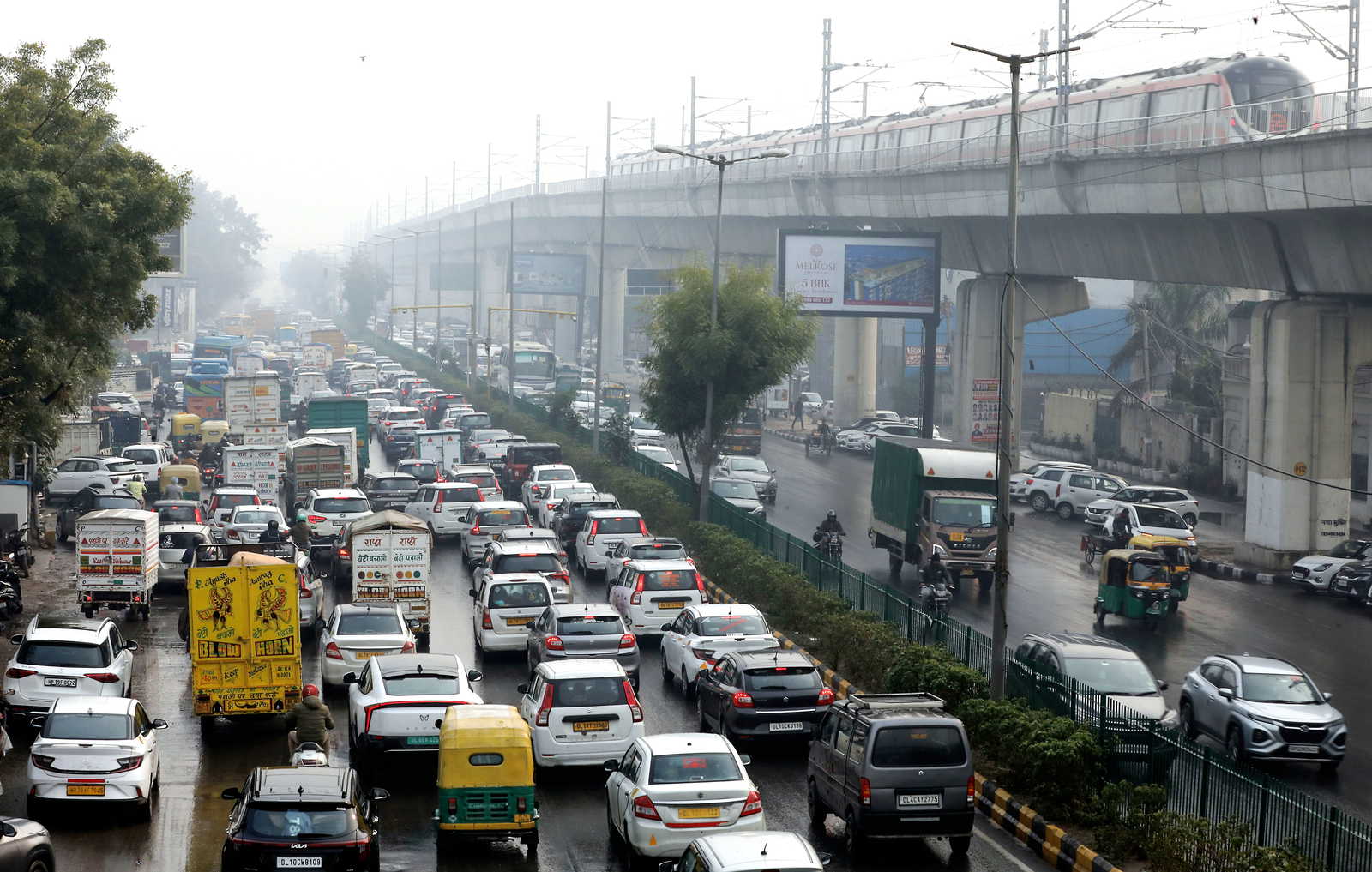
Traffic congestion at Kalindi Kunj has increased after the opening of the Mumbai Expressway, with heavy traffic coming from multiple directions, including Shaheen Bagh, Noida and Faridabad. With NHAI approval now in place, the project has moved to the next stage. The Detailed Project Report for building a proper interchange at Kalindi Kunj has already been completed. However, the construction start date and timeline for completion have not been announced yet. Once implemented, the project is expected to significantly improve daily travel for thousands of commuters.