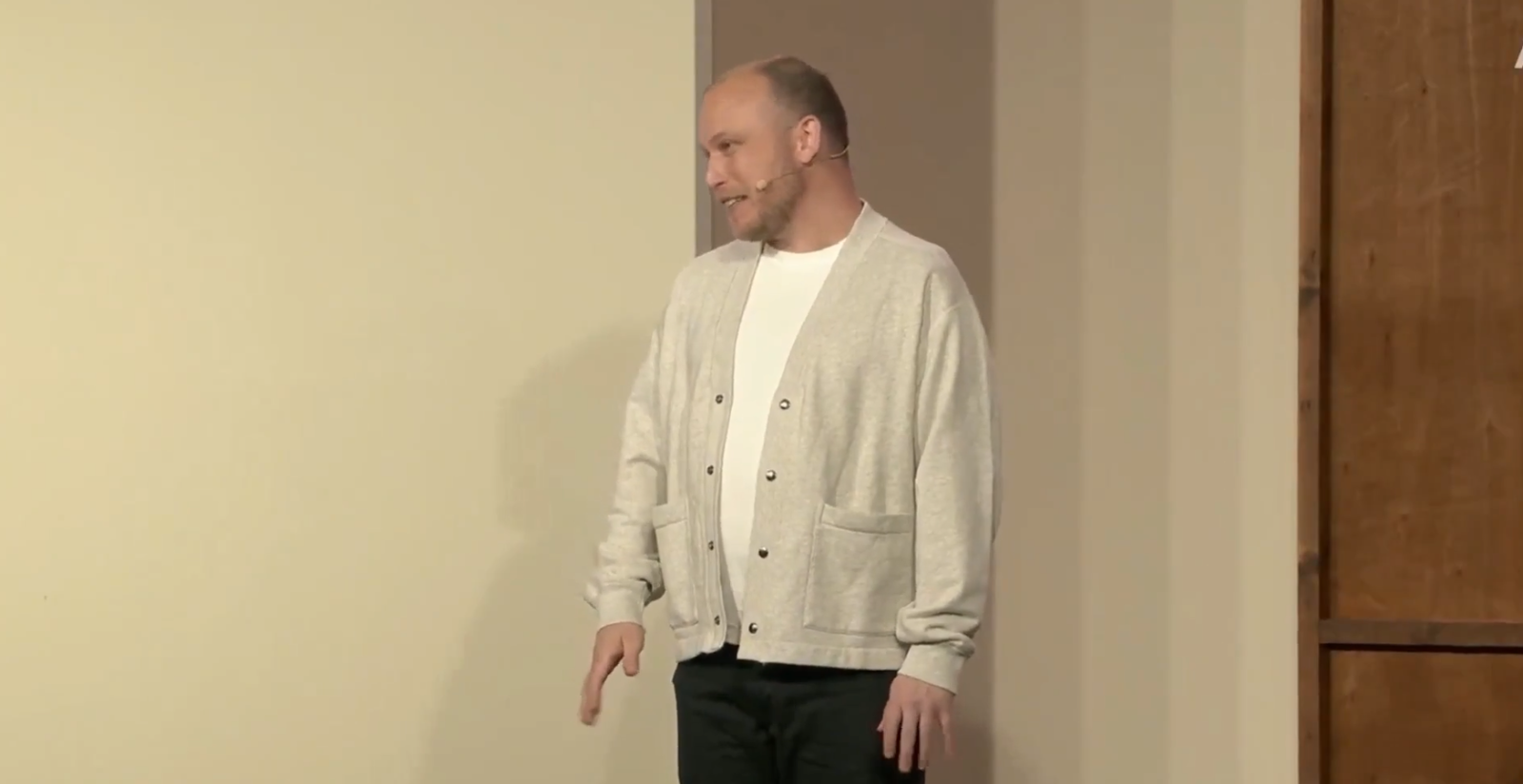
The debate around AI-assisted programming has entered a new phase after Anthropic engineer Boris Cherny publicly rejected the “vibe coding” label now associated with tools like Claude Code.
Boris Cherny is an American software engineer and AI specialist renowned for creating and leading the development of Claude Code, an AI-powered coding tool at Anthropic, a prominent AI research company founded in 2021. With a career marked by rapid advancement in large tech firms, Cherny joined Anthropic in September 2024 as a founding engineer, where he prototyped and built Claude Code using the Claude 3.6 model to enable AI-assisted code exploration, generation, and productivity enhancements
Why is Anthropic pushing back against the term?
According to The Times of India, Cherny had earlier sparked controversy by declaring that traditional software engineering was effectively “dead” in the era of advanced AI coding systems. Those remarks quickly became tied to the broader idea of vibe coding, a phrase critics use to describe developers relying on AI-generated output with limited oversight, structure, or accountability.
Inside AI development circles, the phrase “vibe coding” has increasingly become shorthand for experimentation driven more by intuition than disciplined engineering practice.
That perception poses a problem for companies trying to sell AI coding tools to large enterprises. Businesses operating in finance, healthcare, cybersecurity, and regulated industries need systems that are auditable, testable, and legally defensible. A culture built around “vibes” does not inspire confidence among compliance teams or procurement executives.
Cherny’s frustration highlights a growing divide within the industry itself. The engineers building AI coding assistants often envision structured workflows where AI accelerates development while humans maintain oversight. Meanwhile, public discourse around these tools has leaned toward the idea that coding can now be improvised with minimal expertise.
That distinction matters because terminology often shapes policy. The way the industry describes AI-assisted development today could directly influence future governance standards, liability rules, and enterprise adoption frameworks.
Also Read | GTA 6 release locked for November 2026 as Rockstar gears up for major summer reveal
Enterprises still wary of AI-generated code
The controversy also exposes a deeper credibility challenge facing AI companies.
According to The Times of India, Cherny’s earlier “engineering is dead” statement directly contributed to the very culture he now appears to reject. For some observers, the reversal creates uncertainty around Anthropic’s long-term position on software engineering standards.
The enterprise customers remain cautious about fully integrating AI-generated code into production systems. Questions around ownership, security vulnerabilities, compliance risks, and accountability continue to slow adoption in many sectors.
This hesitation could create opportunities for companies specialising in AI code auditing and verification. Firms such as Snyk and SonarSource are already positioning themselves as safeguards against poorly reviewed AI-generated software.
Also Read | OpenAI posts nearly $6 billion Q1 revenue, edges Anthropic, says report
A new battle over the future of software development
The dispute is no longer simply about whether AI can write code. The bigger battle is about defining what professional software engineering looks like in an AI-first world.
According to The Times of India, several industry players may now attempt to formalise “structured AI development” as a recognised engineering methodology, combining AI acceleration with strict review systems, testing pipelines, and human accountability.
A formal best-practices framework for Claude Code, potentially backed by Cherny himself, could help reposition the platform as an enterprise-grade engineering tool rather than a symbol of chaotic automation culture.