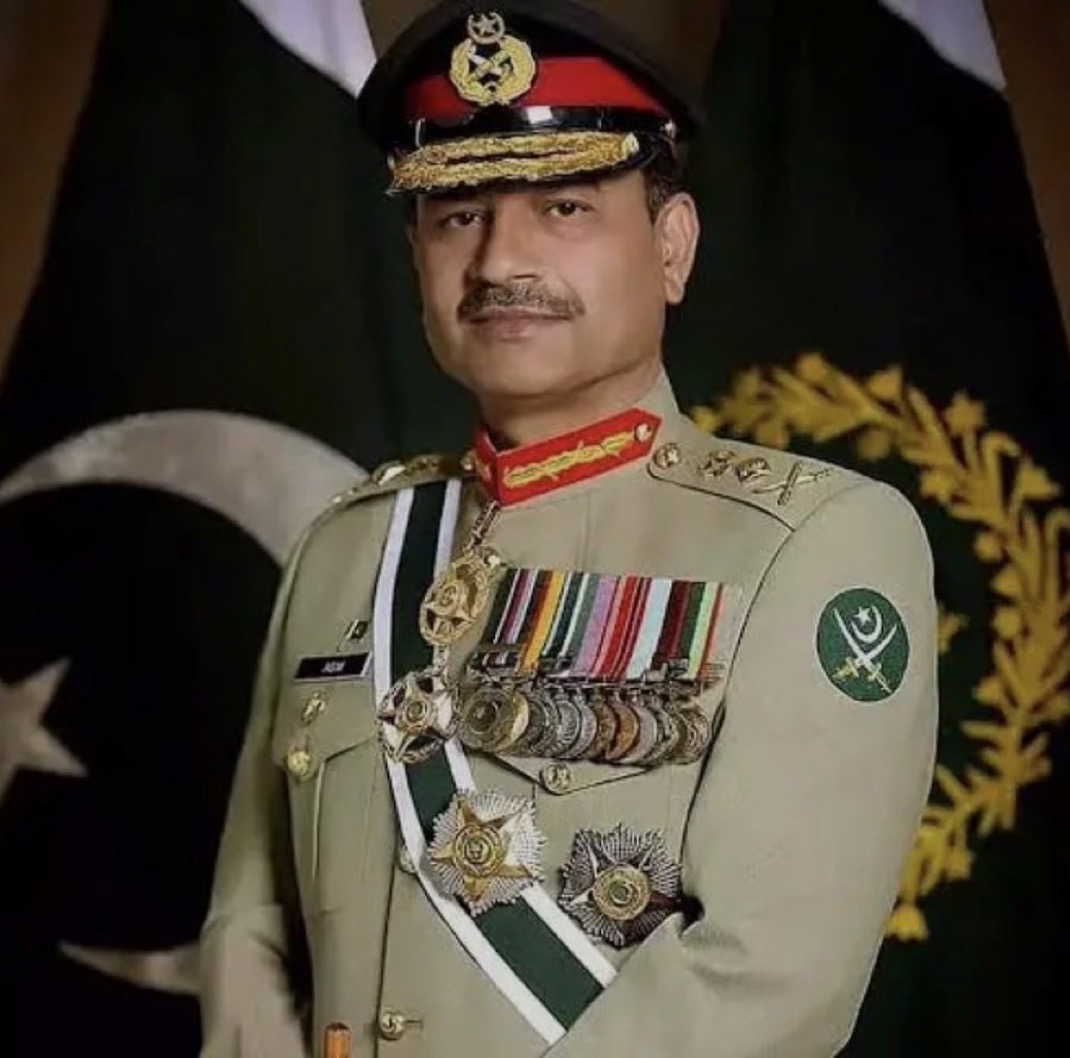
Pakistan’s army chief, Field Marshal Asim Munir, departed for Tehran on Friday for talks linked to the Iran-US negotiation track.
The visit comes as Islamabad steps up efforts to help bridge differences between Washington and Tehran, with Pakistan’s Interior Minister Mohsin Naqvi already in Iran for parallel discussions.
According to an Anadolu report, Munir is expected to meet senior Iranian figures and discuss Iran-US talks, regional peace and stability, and other “important issues.”
Also Read | Australia fights biggest diphtheria outbreak in decades as cases cross 230
Updates on #Iran: Two private jets have departed from Islamabad, both most likely heading to Tehran. The first aircraft, GA6C, is a Gulfstream G600 [#AJ121] historically linked to the movement of Field Marshal Syed Asim Munir Ahmed Shah, Pakistan’s first Chief of Defense Staff… https://t.co/Ay7QIQii9Q pic.twitter.com/6h7orYQNB4
— Basha باشا (@BashaReport) May 22, 2026
A second Tehran trip
The report said this would be Munir's second trip to Tehran amid the mediation drive and noted that Munir had met Iranian President Masoud Pezeshkian, Parliament Speaker Mohammad Bagher Ghalibaf, and Foreign Minister Abbas Araghchi during a previous three-day visit last month.
The diplomatic push comes as the two sides continue indirect talks over a possible agreement.
The United States and Iran are exchanging messages and draft texts. An Iranian official told Al Jazeera the sides were “very close” to an understanding. At the same time, the Strait of Hormuz becomes the focus of mediation efforts, and oil markets respond cautiously to the potential for a breakthrough.
Dangerous and rapid development!
— سيف الدرعي| Saif alderei (@saif_aldareei) May 22, 2026
Pakistan Army Chief General Asim Munir is heading to Tehran right now to lead direct mediation between the US and Iran.
This means negotiations have reached critical final moments.
The big question:
Will Pakistan succeed in brokering a deal… or… pic.twitter.com/CA1smBWggJ
Agreement is not assured
Also Read | You can now qualify for Google’s massive $135 million Android payout: Here's everything users need to know
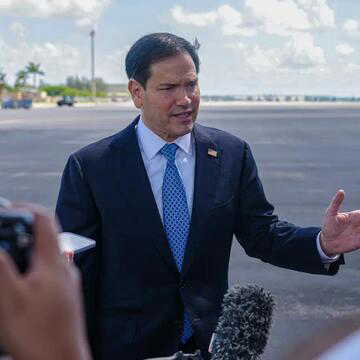
US Secretary of State Marco Rubio said on Thursday that there had been “slight progress” in the talks and “some good signs,” but he warned against overreading the developments.
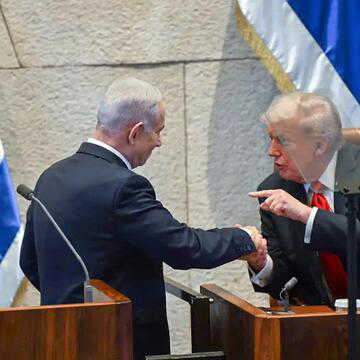
On the same day, US President Donald Trump said Washington would secure Iran’s highly enriched uranium and rejected any plan for transit charges in the Strait of Hormuz. An Iranian official said Tehran could “downblend” its stockpile itself instead of handing it over.
The latest round of movement follows weeks of intensified mediation, with Pakistani officials increasingly used as intermediaries between the two sides. But there remain unresolved differences over uranium and Hormuz, suggesting that while the channel remains open, a final deal is not yet assured.