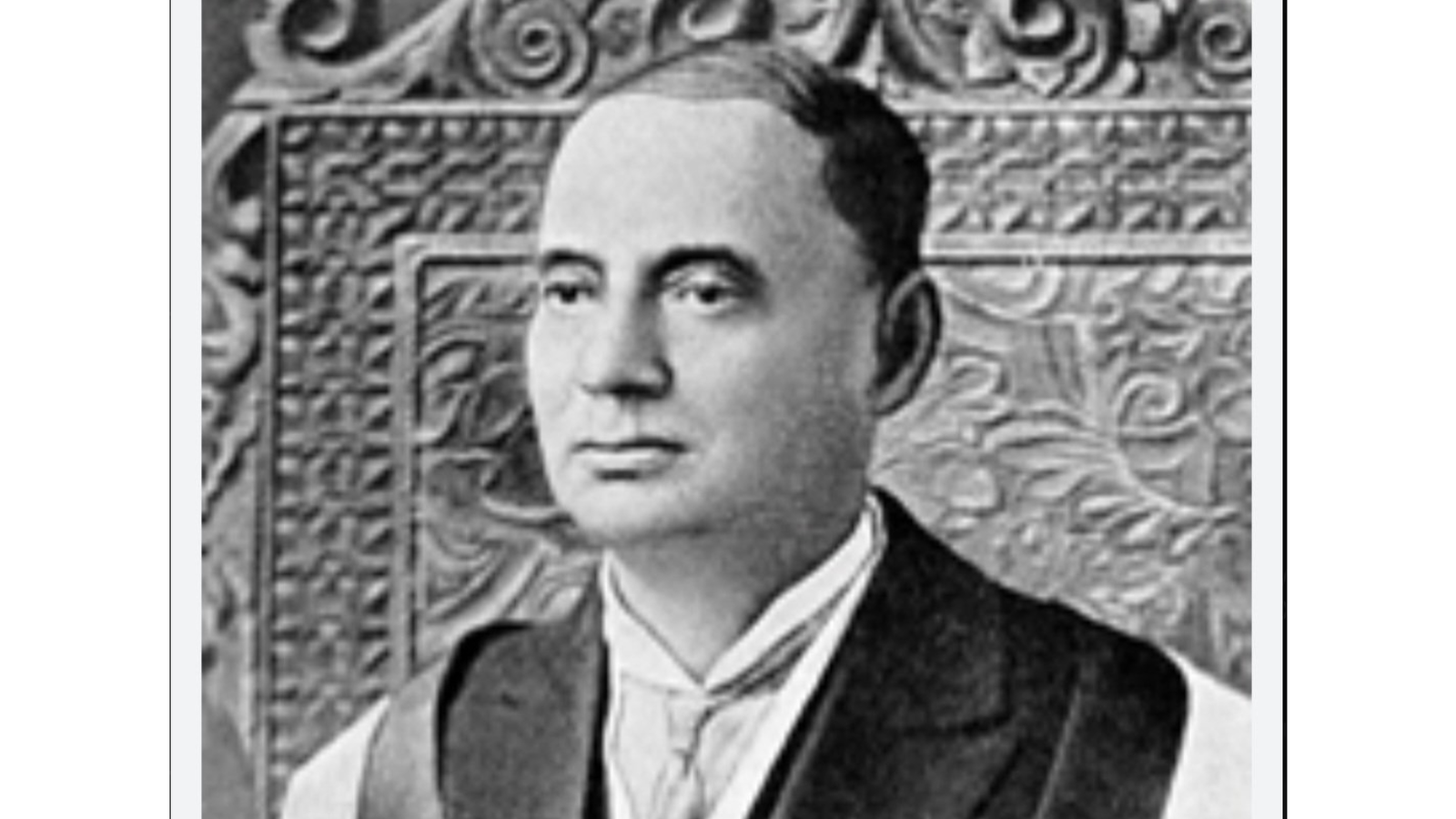
Long before his name became part of a controversy over Kolkata's street names, Lieutenant-Colonel Hassan Suhrawardy was one of British India's most accomplished figures. A pioneering doctor, educator, administrator and public servant, his remarkable life left a lasting imprint on medicine, academia, governance and South Asian history.
Who was Hassan Suhrawardy?
Suhrawardy, a Dhaka native and the son of renowned scholar and educationist Ubaidullah Al Ubaidi Suhrawardy, he belonged to the influential Suhrawardy family, which later produced several prominent political and public figures in South Asia. Married to Sahibzadi Shahbanu Begum at a young age, he had two children, including Shaista Suhrawardy Ikramullah, who went on to become one of Pakistan's first female diplomats and a member of its Constituent Assembly. His family legacy eventually extended beyond South Asia as he became the grandfather of Princess Sarvath of Jordan, cementing his place in a lineage that would influence politics, diplomacy and public life across generations.
A pioneering doctor and educationist
Hassan Suhrawardy carved an exceptional career in medicine at a time when very few Indians occupied top academic positions under British rule.
He became only the second Muslim from the Indian subcontinent to be elected a Fellow of the Royal College of Surgeons of England.
His achievements did not stop there.
In 1930, he became the first Muslim Vice-Chancellor of the University of Calcutta, serving until 1934. During his tenure, he helped strengthen medical education and expanded academic opportunities.
He also held the chair of Public Health and Hygiene from 1931 and later became Professor of Islamic History and Culture in 1945 while continuing his work in public health.
Outside academia, he served as Chief Medical and Health Officer of the East Indian Railway, where he established the railway's ambulance and nursing services.
Also Read | ABVP alleges irregularities in ITI admissions, protests at Nadia college
Politics, public life and saving a governor's life
Suhrawardy was not just a doctor. He also had an active role in governance.
He served as an adviser to the Simon Commission and was a member of the Bengal Legislative Council, serving as deputy president between 1923 and 1925.
One of the defining moments of his life came in February 1932.
During a convocation ceremony at Calcutta University, revolutionary student Bina Das attempted to assassinate Sir Stanley Jackson.
Suhrawardy intervened and helped save Jackson's life. Soon after, he was knighted by the British government.
Over the years, he also received several honours, including an OBE, the Kaiser-i-Hind Medal and appointments to the Order of St John.
Why did he give up his British honours?
Perhaps the most remarkable chapter of his life came at the end.
In August 1946, amid growing anti-colonial sentiment and the Muslim League's decision to reject British honours, Hassan Suhrawardy renounced both his knighthood and his OBE.
A month later, on September 18, 1946, he died at the age of 61 at the Calcutta School of Tropical Medicine.