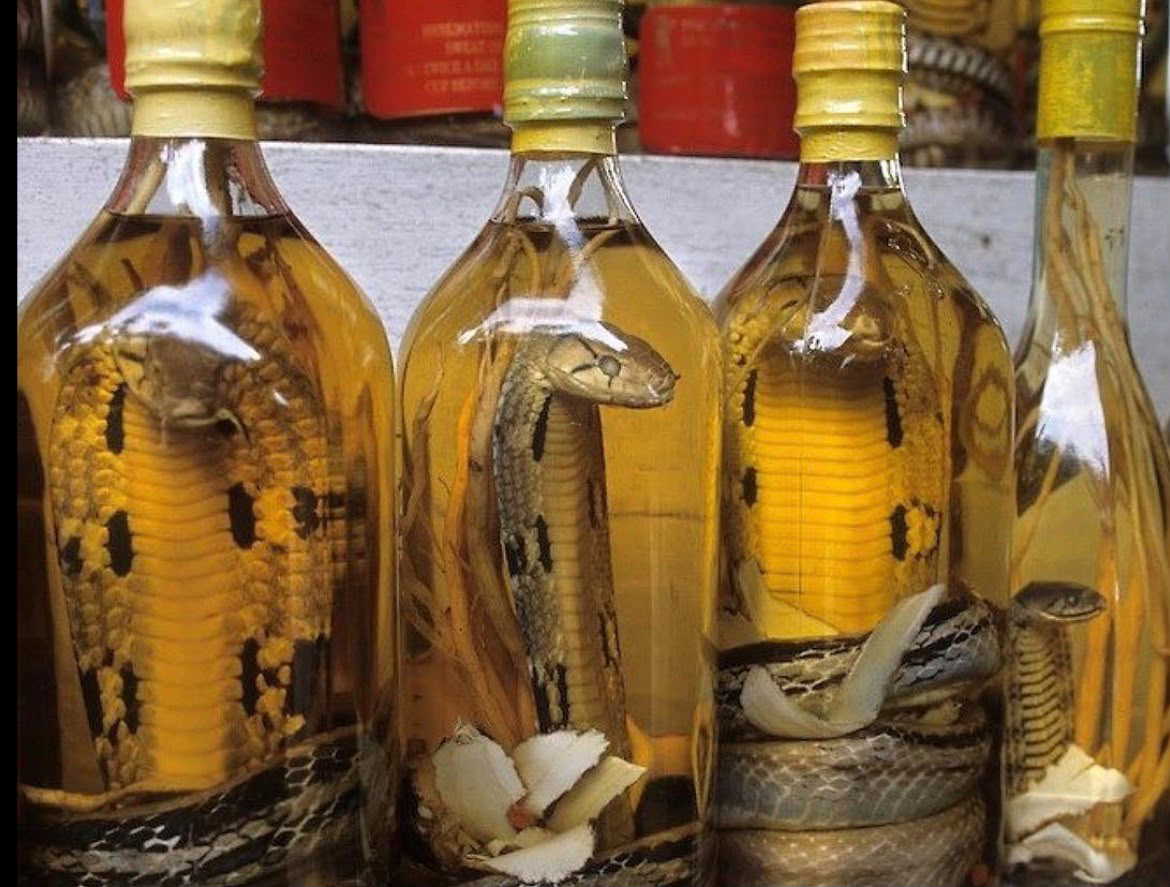
From fermented insects to exotic dishes of seafood, different cultures from around the globe have always been fascinated with unique kinds of food and drinks. However, there is perhaps no drink that raises as many questions as the famous snake wine which is a traditional alcoholic drink containing a live snake preserved in the bottle of alcohol.
This exotic beverage can be found in different parts of East and Southeast Asia, and in recent years, snake wine became an object of interest on the Internet, raising mixed feelings among the viewers.
Also Read | Beat the heat without breaking the bank: 5 simple tricks to keep your room cool
A tradition dating back centuries
Snake wine is most commonly associated with China and Vietnam, though it is also found in countries including Laos, Thailand, Cambodia, North Korea and Japan's Okinawa region.
Historical records trace the drink's origins to ancient China, with some accounts linking it to the Western Zhou Dynasty. Over time, it became intertwined with traditional medicine and cultural beliefs, where snakes were often viewed as symbols of strength, vitality and endurance.
The preparation process involves placing a live or dead snake inside a glass container and filling it with alcohol, typically made from rice or grain. The mixture is then left to infuse for several months before consumption. In some regional variations, snake blood or bile may also be added to alcoholic drinks as part of local customs.
Traditional beliefs and modern questions
For generations, snake wine has been promoted in traditional medicine as a tonic believed to improve vitality and overall well-being. It has also been associated with remedies for a variety of ailments, including skin conditions and physical weakness.
However, many of these claims remain rooted in cultural tradition rather than modern scientific evidence.
Supporters of the drink argue that the high alcohol content neutralises snake venom by breaking down its protein-based toxins during the long infusion process. This has led many producers and consumers to regard properly prepared snake wine as safe. Health experts, however, caution that there is limited scientific research supporting many of the beverage's claimed benefits.
Risks behind the curiosity
However, even with its traditional background, there have been certain dangers linked to the use of snake wine. The most popular case reported happened in 2013, when a woman was reportedly bitten by a live snake in her bottle of snake wine, which she opened.
Also Read | Will Shakira perform in India this year? Here's what we know so far
Although this is a relatively uncommon occurrence, it has certainly raised certain safety issues when it comes to the preparation of the wine. Consumers are warned to be careful while buying any drinks that are produced from wild animals, especially if these processes are unregulated.
In any way, snake wine stands out as an interesting example of a product that brings together culture, medicine, and consumer interests. For many tourists, it can serve as a good symbol of the traditional culture of the region and its century-old traditions. For others, it may become a clear example of a tradition that contradicts modern approaches to food and beverages. Either way, snake wine is among the most unique drinks in the world.
FAQs
Q1. What is snake wine?
Snake wine is an alcoholic beverage made by infusing a whole snake in rice wine or grain alcohol for several months.
Q2. Is snake wine considered safe to drink?
Many producers consider properly prepared snake wine safe, but experts advise caution as health benefits are not scientifically established and safety risks can exist.