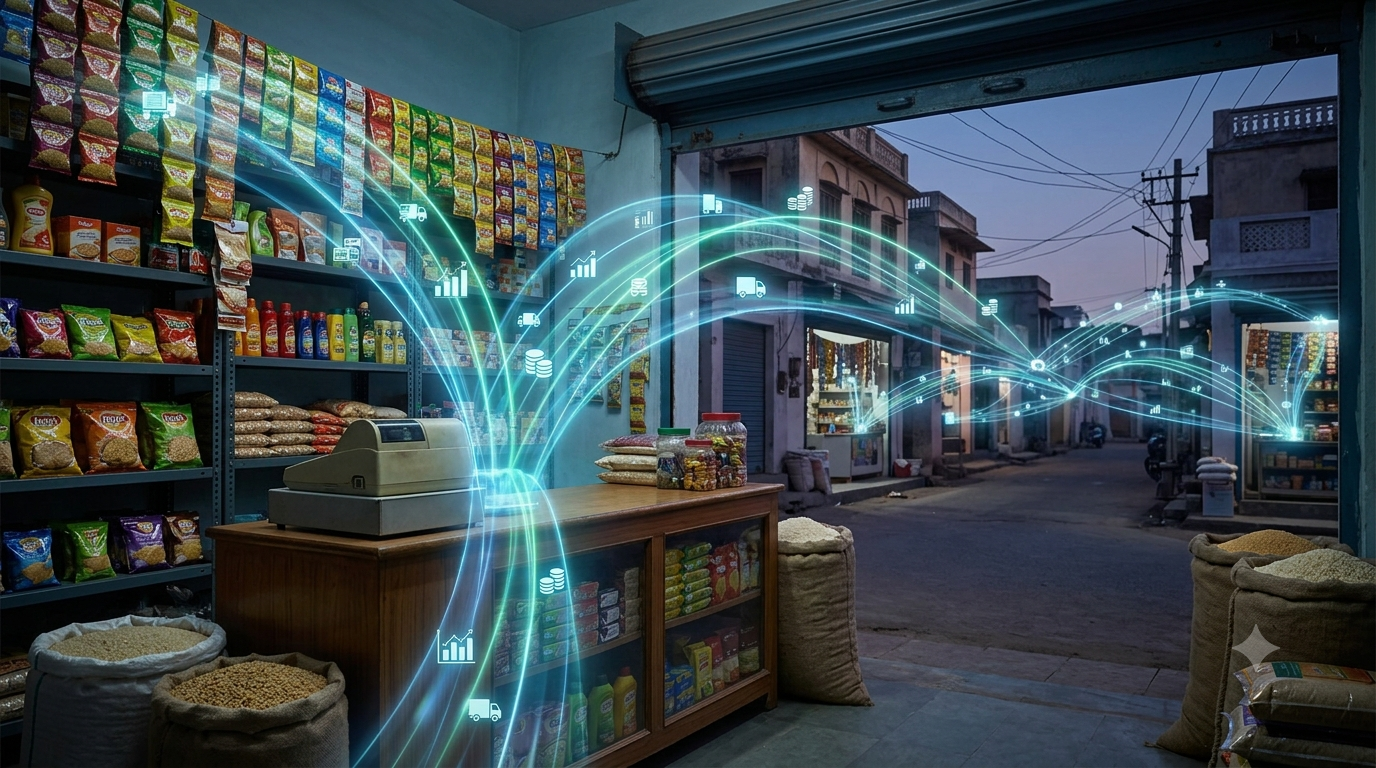
India is preparing a large-scale digital transformation of its neighbourhood retail network through DigiDukaan, an initiative designed to bring nearly 1.4 crore kirana stores into a more connected and efficient digital ecosystem.
The plan was discussed at the Consumer Packaged Goods (CPG) Roundtable, Bharat Commerce Chintan Shivir, organised by the Department for Promotion of Industry and Internal Trade (DPIIT) in partnership with the Open Network for Digital Commerce (ONDC), per a report by CNBC TV18. The focus was on modernising India's General Trade network, which continues to account for the majority of FMCG sales across the country.
Also Read | 'All crew members are safe': MEA debunks reports of fresh attack on Indian-crewed vessel near Oman
Why the push is needed
India's General Trade ecosystem consists of more than 1.4 crore kirana stores and contributes roughly 75–80 per cent of FMCG sales. Despite its scale, much of the sector still relies on manual operations, fragmented ordering systems and limited inventory visibility.
These challenges often lead to stock shortages, inefficient distribution, higher operational costs and difficulties in implementing promotional schemes.
“Despite contributing the bulk of FMCG consumption, a large part of the retail network still operates with manual processes and low digital visibility,” the release said, per CNBC TV18.
What DigiDukaan brings to kirana stores
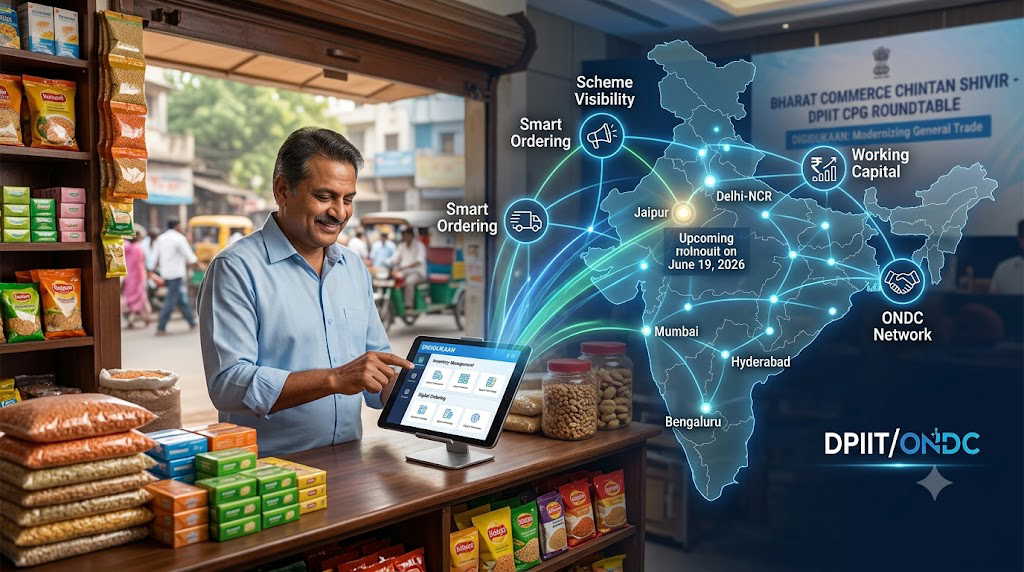
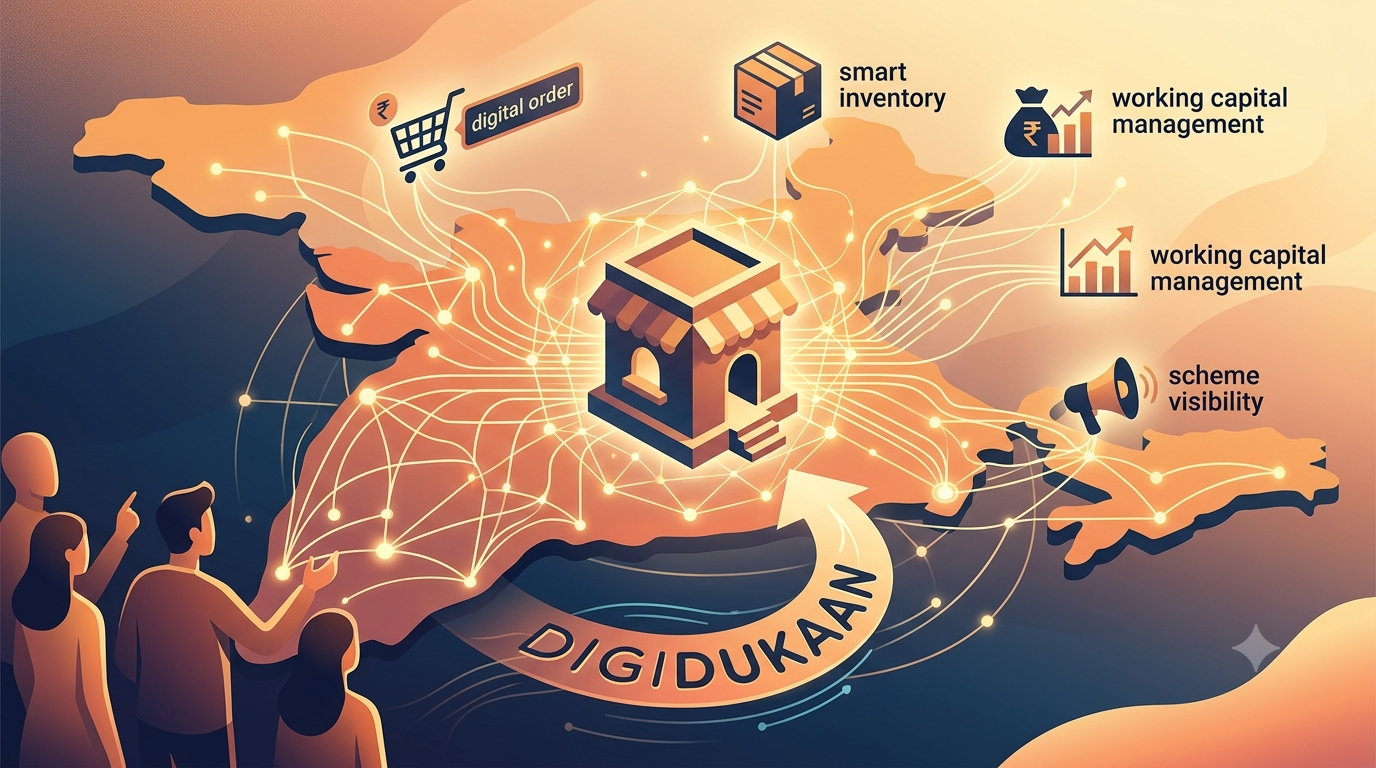
DigiDukaan is designed to provide small retailers with digital tools for ordering, inventory tracking, scheme visibility and working-capital management.
The platform aims to simplify procurement, digitise collections and improve access to real-time information. By creating shop-level data flows, it seeks to improve fill rates, reduce inefficiencies and help retailers manage inventory more effectively.
For distributors, digitised ordering and collection systems could improve retailer coverage without significantly increasing field staff costs. Brands, meanwhile, may gain better visibility into secondary sales and receive more accurate demand signals from stores.
Also Read | 'Lapse in judgment, big mistake on my part': Pranit More apologises over viral ‘Rs 370 ki biryani’ row
Early rollout gathers momentum
According to DPIIT, DigiDukaan has already seen early adoption in Hyderabad through Qwipo, where more than 10,000 retailers and over 35 brands have been onboarded.
The next rollout is scheduled for Jaipur on June 19, 2026, through Salescode. Additional launches are planned in Mumbai, Bengaluru and Delhi-NCR in the coming months, reported CNBC TV18.
Industry discusses key challenges
The roundtable brought together leaders from consumer goods companies, distributor networks, logistics firms and technology providers.
Among the major concerns discussed were fragmented retailer engagement, rising sales-force costs, inventory inefficiencies and growing competition from digital-first retail models.
“Participants explored how open digital infrastructure can improve retailer access, distributor productivity, demand planning and scheme effectiveness across the FMCG value chain,” CNBC TV18 quoted the release as saying.
Also Read | IAF AN-32 aircraft crashes at Assam's Jorhat airbase, pilot feared killed
Building an open digital network
A key part of the initiative is DPIIT's collaboration with ONDC, which promotes interoperable and platform-agnostic digital commerce systems.
As DigiDukaan expands, the goal is to create more efficient ordering and fulfilment networks across India's vast retail landscape. The initiative aims to strengthen connections between retailers, distributors and brands while improving access to digital tools for small businesses that form the backbone of India's FMCG sector.