As I grow older and older, increasingly deserving to be called ancient, I feel, just as much as perhaps Flaubert felt, that the artist must make posterity believe he never lived. Way back in 1984, after having written a book like The Unbearable Lightness of Being, the book that put him on the acme of publicity, Milan Kundera virtually vanished, keeping himself consciously away from the media.
“I have absolutely decided, no more interviews”, said Kundera.
In August 2023, just about a month after the writer had died, I met a young American student, apparently a Kundera enthusiast, in the famous bookshop Shakespeare & Company. She told me she had tried for ten years to meet the author, and she couldn't!
What's the point of meeting the author?
Only the work counts, not the person who wrote it, opined Isaac Bashevis Singer.
Also Read | Marilyn Monroe at 100: The lonely woman behind the world's most desired face
Today, most artists and writers want to be in constant circulation. For most of them, publicity is the only weapon to fight against oblivion. To remain in the limelight is the only way to survive. Be talked about for anything, anyway or perish: is their mantra, the driving force.
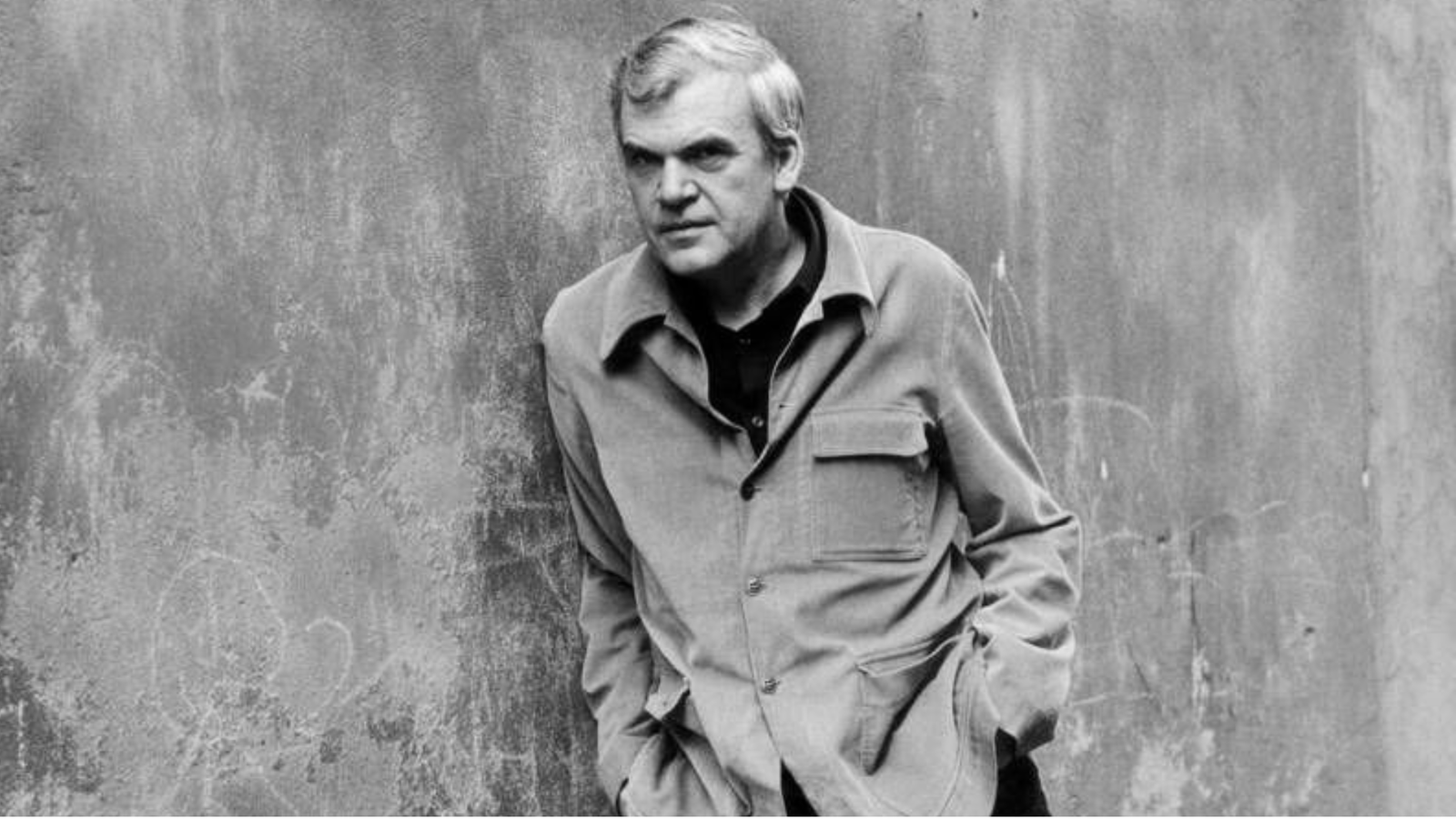 How Milan Kundera's ideas on ageing and freedom remain timeless. /Pinterest
At times, I wonder if these writers and artists have ever read Faulkner, who wanted to be entirely abolished as a private individual! Here is Faulkner giving an inkling of his intense feelings against any kind of self-publicity:
“I want to be entirely voided of history, leaving it marred”.
I really wonder how many novelists in Bengal today would dare to write this:
“The novelist demolishes the house of his life and uses its bricks to construct another house: that of his novel.”
And then this revolutionary statement shook the literary world:
“The moment Kafka draws more attention than Joseph K., the process of Kafka's posthumous dying begins.”
Who else but Kundera could have thought of Kafka posthumously dying!
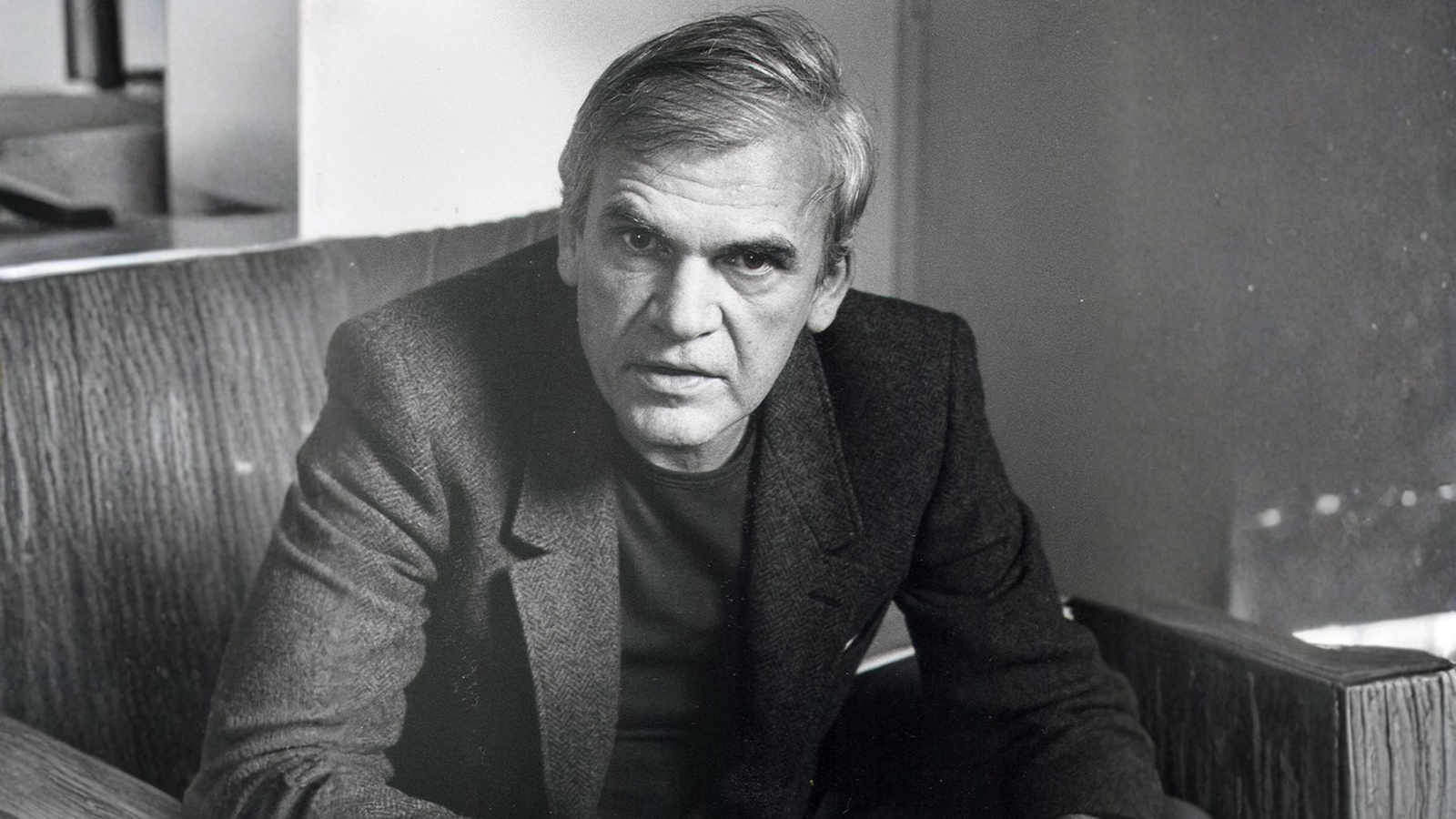 Milan Kundera's timeless lesson on freedom, fame and ageing. /IMDB
As I am getting older and older by the day, I am getting to love, perhaps even adore Milan Kundera more and more. And do you know why?
Also Read | How free are we really? The silence around James Joyce’s forbidden letters
Not only because I enjoy imagining that I am sipping my sundowner with him, but also because Kundera has given me the ultimate freedom of an old guy. “The old scholar was watching the noisy young people around him,'” which I often do in a cheap pub near where I live, and feel very much like what the old man in Kundera's writing feels:
“I am the only one in the whole audience who had the privilege of freedom, for I am old, and when I am old, I am no longer obliged to care about my group's opinion or about the public and about the future. I am alone with approaching death, and death has neither eyes nor ears; I do not need to please death either. I can do and say what I please.”
This is just about what Milan Kundera says in Life is Elsewhere, doesn't he?
And hasn't he given the old age the right to frenzy as well?