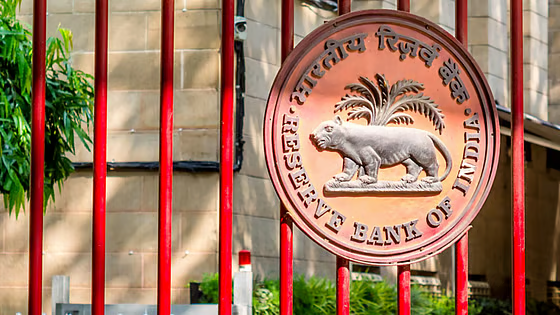
The Reserve Bank of India has flagged five key risks to the Indian economy, warning that ongoing global tensions and supply disruptions could weigh on inflation, growth and financial conditions.
Speaking after the Monetary Policy Committee (MPC) meeting, the central bank said elevated uncertainty, particularly due to disruptions in energy and commodity markets could have a cascading impact across sectors.
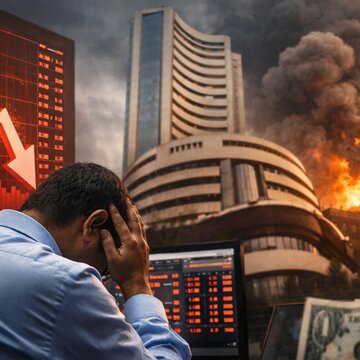
Also Read | Sensex drops over 800 points, Nifty slips 1% as Iran conflict weighs on markets
The RBI cautioned that an initial supply shock could evolve into a broader demand shock if global supply chains fail to normalise.
Crude prices, global uncertainty among top concerns
The central bank outlined five major risks:
Rising crude oil prices may increase imported inflation and widen the current account deficit
Disruptions in energy, fertiliser and commodity markets could affect output across industry, agriculture and services
Heightened global uncertainty may tighten domestic liquidity and impact consumption and investment
Slower global growth could reduce export demand and remittance inflows
Spillovers from global financial markets may tighten domestic financial conditions and raise borrowing costs
India, which depends heavily on imports for crude oil and cooking gas, has already felt pressure due to disruptions linked to the Strait of Hormuz, the RBI noted.
Repo rate unchanged amid volatility
The six-member MPC voted unanimously to keep the benchmark repo rate unchanged at 5.25%, maintaining a neutral policy stance as the central bank balances inflation risks with the need to support growth.
Also Read | Air India CEO Campbell Wilson resigns amid mounting operational challenges
The decision comes amid a weakening rupee and rising global volatility.
Growth and inflation outlook
The RBI projected GDP growth at 6.9% for FY27, down from an estimated 7.6% in FY26. Average inflation for the year is expected at 4.6%, remaining within the central bank’s target band. Core inflation is projected at 4.4%.
Market reactions were muted, with bond yields inching up slightly while the rupee and equity indices remained largely stable.