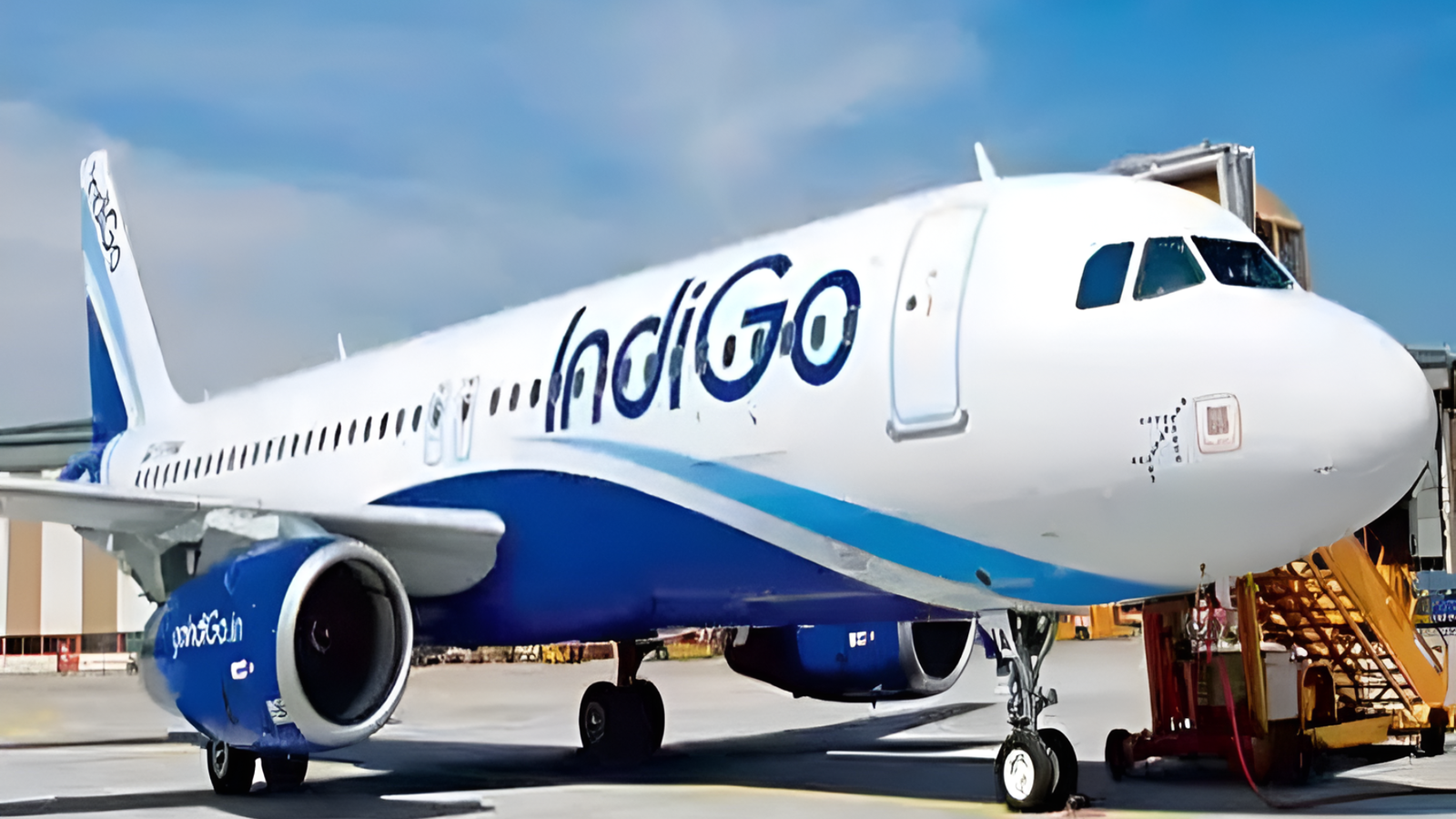
IndiGo, India's largest domestic airline, in its biggest recruitment exercise to date, is planning to hire more than 1,000 pilots, as reported by Business Standard.
This recruitment will take place after a serious disruption of services in December 2025 when the company cancelled more than 5,000 flights in seven days due to non-availability of enough crew members to operate them and were subject to a very high number of complaints following the implementation of new regulations on time management and requirements for crew rest by the Directorate General of Civil Aviation (DGCA).
Also Read | What is SSSS on your boarding pass? Everything to know about the mysterious code
According to the notice on the company's website, the new recruitment will include trainee first officers, senior first officers and captains. Additionally, in some of the job listings for pilots with no previous experience flying the Airbus A320, IndiGo is willing to accept applications from pilots who do not have that experience but wish to apply to become pilots with the airline.
DGCA's scrutiny after flight crisis
The Directorate General of Civil Aviation's (DGCA) implementation of new rest rules caused operational delays at airlines. These rest rules included limiting landings by pilots from midnight until six am, as well as increasing the number of hours pilots must have off each week.
Due to non-compliance with the new regulations, the regulator conducted an investigation and found that IndiGo was not expanding their hiring or quickly processing the training of pilots to comply with these regulations. The effect of this has resulted in a shortage of pilots on duty, frequent reassignments of pilots to other flights, increased flight duty times, and extended instances of "deadheading", which is when airline crew members travel on passenger flights so that they can operate a flight from a different airport.
Scrutiny findings
The DGCA investigation found a strong emphasis on "maximising use of crew, aircraft and network resources" to minimise rostering buffer times and create rosters that maximise duty time by using extensive amounts of tail swapping, duty extensions and very little recovery time. The regulators concluded this practice severely compromised the integrity of the rosters, which in turn reduced operational resilience.
The investigation also revealed that IndiGo was required to have 2,422 captains available to operate its schedule. However, it had 2,357, resulting in the DGCA granting IndiGo temporary exemptions from the night-duty rule until February 10 to ease operational pressures, stated the Business Standard report.
'Airline building pipeline of pilots'
A senior official from the airline was quoted as saying by Business Standard that the airline is actively building a pipeline of pilots to support its fast-growing fleet. The airline adds about four planes every month, so it needs to regularly increase the supply of flight crews to keep its planes in use as much as possible.
Also Read | Turbulence ahead? Airlines say new fatigue rules could 'severely' hit operations
The airline upgrades between 20 and 25 first officers to captain every month using its internal training pipeline, but there is a six-month training period before new first officers can begin flying as fully qualified first officers. To qualify for captaincy, a pilot must have accrued at least 1,500 flying hours, although airlines may set their own higher requirements.
Though the Directorate General of Civil Aviation requires three sets of pilots per airplane (one captain and one first officer in each set), IndiGo actually needs more than twice the number of crews needed by the Directorate.
In addition to hiring, the airline is restructuring its network to create more operational buffers. Schedule buffers, which were low in December, have been increased to 3 per cent in February. Standby crew levels have also been raised to at least 15 per cent.