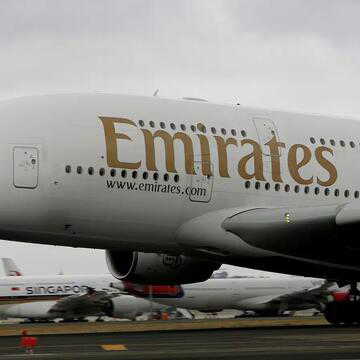
Air travel across Asia was severely disrupted, with around 67 flights cancelled and nearly 1,470 delayed, leaving thousands of passengers stranded across multiple countries, as per News 18 reports.
Multiple nations affected
The disruption reportedly affected nations, including Thailand, Japan, Singapore, the UAE, India and Indonesia, as airports struggled to handle heavy passenger volumes and operational challenges.
Also Read | Dubai caps foreign airlines to one daily flight; Delhi, Mumbai airfares spike
Data from April 12 cited by News 18 indicates a much larger scale of disruption during the day, with approximately 445 cancellations and 3,839 delays recorded across a wider region stretching from Northeast Asia to the Gulf, including China and Saudi Arabia.
Overcrowded terminals and disrupted schedules
Several major airports faced intense pressure. Jakarta’s Soekarno-Hatta International Airport reported the highest number of delays at 216, along with 13 cancellations, followed by Bangkok’s Suvarnabhumi Airport with 199 delays.
In Japan, Tokyo’s Haneda Airport reportedly saw 182 delays, while Narita recorded 90 delays and 10 cancellations.
In India, Delhi’s Indira Gandhi International Airport reportedly logged 176 delays, while Mumbai and Bengaluru also experienced significant disruptions due to high domestic traffic.
Also Read | IndiGo, Air India hike fares as jet fuel costs soar globally
Most affected airlines
Airlines such as China Eastern Airlines, Batik Air, SpiceJet, and ANA Wings were reportedly among those most affected. Batik Air and United Airlines reported the highest cancellations at 10 each, while IndiGo recorded 93 delays and Air India reported 4 cancellations along with 74 delays. All Nippon Airways also logged 75 delays, largely linked to operations in Tokyo.
Major cities, including Delhi, Tokyo, Dubai, Jakarta, Bangkok, Mumbai, Bengaluru, and Singapore, saw heavy operational strain, with Jakarta and Bangkok reportedly recording the highest delays.
The disruptions were driven by high air traffic, operational constraints, and pressure on major hub airports, along with ongoing geopolitical tensions, airspace restrictions, and rising operational costs, making it difficult for airlines to maintain schedules.