The Indian aviation industry is set for a cost reset as Finance Minister Nirmala Sitharaman has proposed exempting basic customs duty on imported components used in the manufacture of civilian, training, and other aircraft.
“I propose to exempt basic customs duty on components and parts required for the manufacture of civilian, training, and other aircrafts,” Sitharaman said while she presented the Union Budget.
Currently, customs duty on aircraft components varies between 2.5% and 15%, although some components already attract zero duty.
Also Read | Government urges patience on Air India crash probe, says 'trust Indian agencies, not foreign reports'
Push for domestic manufacturing and MRO expansion
The proposal comes at a time when global aircraft manufacturers are exploring production partnerships in India. The Adani Group is in discussions with Brazil’s Embraer to manufacture commercial aircraft in India.Embraer has stated that it would import parts for assembly in the country under its partnership model.
State-owned Hindustan Aeronautics Ltd has also been negotiating with Russia’s United Aircraft Corporation to produce the SJ100 regional aircraft in India. The reduced duties on aircraft parts and engines may make such proposals more feasible.
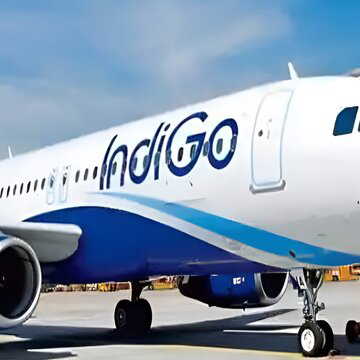
The development is in line with India’s plans to establish itself as a global maintenance, repair, and overhaul (MRO) hub. The country’s carriers, including IndiGo, Air India, and Akasa Air, are expanding their fleets rapidly, with total growth expected to increase by at least 30% in the next two years. India currently contributes about 10% to the global MRO business.
Krishnan Agarwal, executive director at Deloitte India, said that the extension of the exemption on customs duties on aircraft engines, parts, and materials until 2028 would help cut costs and improve the Indian aerospace sector.
Kinjal Shah, senior vice president and co-group head for corporate ratings at ICRA Ltd, said the waiver could lower aircraft acquisition costs for airlines.
Ashish Chhawchharia, partner and aviation industry leader at Grant Thornton Bharat, said the policy would reduce input costs across the aviation value chain, making aircraft acquisition and upkeep more affordable while strengthening local MRO capability. With passenger traffic projected to reach 665 million annually by FY31, cost efficiency and domestic capacity expansion are critical, he added.
Also Read | Religare Enterprises clears demerger into REL and RFL; 1:1 share issue announced
Sai Aravind Melligeri, executive chairman and CEO of Aequs Ltd, said the customs duty waiver would allow Indian arms of global OEMs to import components and supply them domestically at lower cost.
IGST to continue; ministry allocation trimmed
While the basic customs duty exemption has been proposed, imported aircraft components will continue to attract a uniform integrated goods and services tax (IGST) of 5%, introduced in 2024. The IGST can be claimed as input tax credit and is levied even when customs duty is zero.
Meanwhile, the civil aviation ministry’s budget allocation for FY27 has been set at ₹2,102.87 crore, lower than the previous year’s estimate of ₹2,400 crore and marginally above the revised estimate of ₹2,055.49 crore.
Industry observers say the customs relief could have a larger impact on investment sentiment than the marginal cut in ministry allocation, especially as India seeks to deepen its aerospace manufacturing base under the Make in India initiative.