The story of tariffs on Indian exports to the United States has taken yet another turn. After months of large fluctuations, tariffs have largely returned to their baseline values, but a new global tariff could change this scenario again. Here is where things stand.
How tariffs climbed to 50%
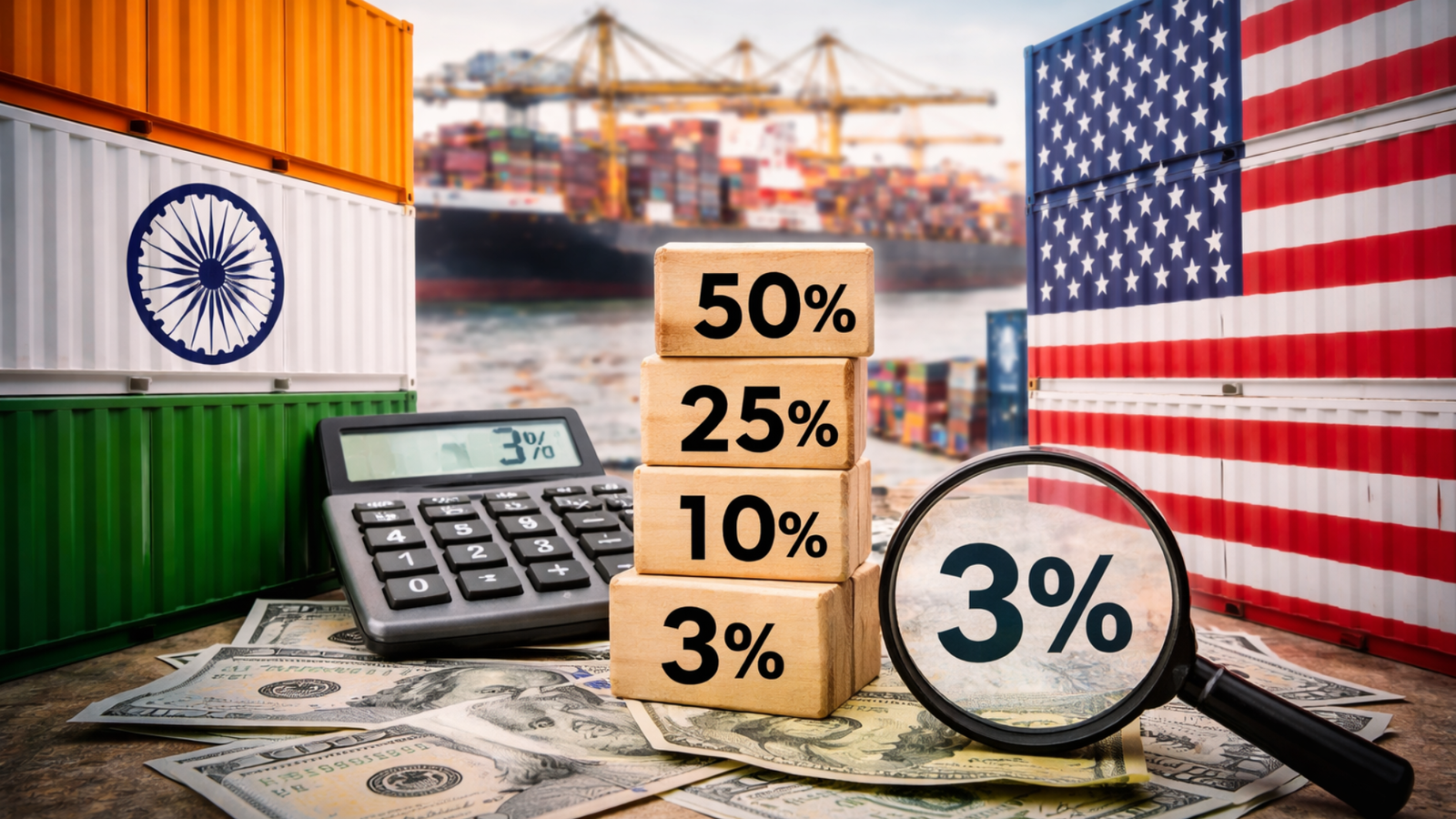
The escalation began in April, when the US imposed a 26% tariff on Indian exports. This rate was later reduced to 10%.
However, in August, the rate was raised to 50% in effect. This consisted of a 25% reciprocal tariff and a further 25% ad valorem tariff in response to Indian imports of Russian oil.
Then, on February 6, the 25% related to Russia was withdrawn by an executive order. The order mentioned India’s commitment to stop direct or indirect imports of Russian oil, raise purchases of US energy, and enhance defence cooperation. This cut the total tariff to 25%.
Also Read | Donald Trump declares fresh 10% tariff after Supreme Court blocks 'America First' trade policy
A cut to 18% was also proposed as part of a bilateral agreement related to the first phase of a trade agreement, but this measure was never fully implemented.
Supreme Court resets duties to MFN levels
The scenario changed again as the US Supreme Court struck down reciprocal tariffs applied through emergency powers. As a result, tariffs on most Indian exports returned to Most Favoured Nation (MFN) rates.
Before the increase, average weighted tariffs on Indian exports to the US were around 3%. This 3% is now the baseline for most goods.
A new 10 % global tariff on the way
The relief, if any, will be only partial. President Donald Trump has announced that a 10% global tariff, which is being applied under Section 122 of the Trade Act of 1974, will kick in in a matter of days. “The new global 10% tariff will come into place soon, within three days”, on February 21, he said. The tariff can remain in force for a maximum of 150 days unless Congress intervenes to extend the deadline.
Also Read | India's Russia imports crash 40% in January, crude oil takes biggest hit
If implemented, the Indian exports will be subject to the 3% MFN tariff as well as the temporary 10 % global tariff.
Certain exemptions are expected to remain in place. Mobile phones and pharmaceuticals, which are currently allowed zero tariffs under the reciprocal order, will likely remain so.
At the same time, industry-specific exemptions based on national security, such as Section 232 regarding steel and autos, remain in place.
In numbers, it may seem like a 3 % starting point, but exporters are preparing for an additional 10 % to kick in shortly.