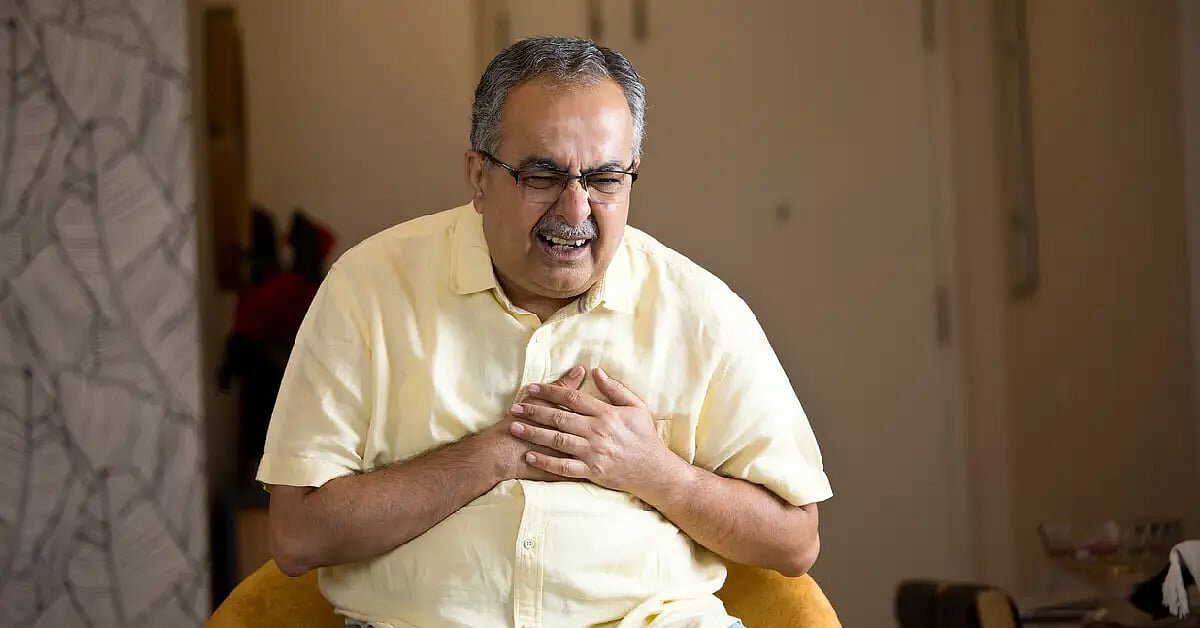
Chest pain naturally creates fear or panic. Especially when this happens, the first thing that comes to mind is a heart attack. But chest pain doesn't occur only due to heart disease. Chest pain doesn't always mean you have to drop everything and rush to a doctor. Rather, there are many issues that can be managed at home. However, you need to understand the nature of the pain first. Otherwise, a major accident could occur. Apart from heart attacks, what other causes can lead to chest pain?
Gastric or acidity
Due to gastric problems or acid reflux, stomach acid often rises upward. This can cause burning or pressure in the lower part of the chest. During this time, even though it feels like severe chest pain, it actually occurs from the stomach to the intestines. Gas pain usually increases after eating. In this case, relief can be obtained when gas is released through burping or other means.
Also Read | What is enmeshment? Here's one psychology term we bet you didn't know about
How to identify if this is gastric pain?
Burning or severe pain after eating, this pain is less noticeable on an empty stomach. There may be burping, bloating, or nausea. Following some healthy habits can provide relief from this problem. Antacids can be taken for temporary relief.
Muscle pain or cartilage pain
If the chest muscles or the connection point of the rib bones (costochondral joint) becomes inflamed, severe pain can be felt. Usually, the pain increases when pressure is applied for any reason. Sometimes there is discomfort while lying down or sitting. Breathing also becomes difficult.
How to identify if this is muscle pain?
Pain may increase with touch, constant mild pain, difficulty taking deep breaths, constipation, pain may also be felt during exercise. Usually this pain is not severely distressing. It heals with physiotherapy or adequate rest.
Panic attack (anxiety)
Sometimes excessive worry or panic creates pressure in the chest. This causes symptoms like difficulty breathing heavily and rapid heartbeat. Panic attacks can also cause chest pain, and the sudden onset creates more fear.
How to identify if this is a panic attack?
If chest pain occurs due to panic attacks, weakness, reduced energy, sweating, body tremors, and pain when breathing rapidly may be felt. If this problem occurs frequently, it's not good. Sometimes it can put pressure on the heart as well. Therefore, instead of ignoring it, medical advice should be sought.
Breathing problems or lung issues (Breathing Problem or Lungs Infection)
Sometimes lung infections, bronchitis, pneumonia, or respiratory tract infections can cause chest pain. Pain may also be felt when sneezing or coughing. Other symptoms may appear in the body such as fever, breathing difficulties, head and throat pain, etc.
How to identify if this is a lung infection?
Problems like cough, fever, breathing difficulties, back and shoulder pain, persistent cold, and changes in phlegm color to green, yellow, or black may be seen. Especially if you're a COPD patient, you need to be particularly careful. Additionally, chest pain can occur due to digestive problems or injuries from any cause.
When to understand the situation is urgent and immediate medical advice should be sought?
If you feel pressure in the chest, pain persists for a long time or spreads to the arms, neck, jaw, along with breathing difficulties, sweating, or vomiting then these could be possible symptoms of a heart attack. In this case, it's urgent to go to a doctor quickly without delay.
Also Read | Sandakphu in February: A budget-friendly Himalayan trek with snow and sunshine
How is heart attack pain different from these other pains?
Heart attack pain has some special characteristics that are different from gas, muscle strain, or panic attack pain. In the case of a heart attack or Myocardial Infarction, there is usually crushing pain in the middle of the chest. There's a heavy or squeezing sensation in the chest. It feels as if something heavy is pressed on the chest.
What is heart attack pain like?
The pain can last 5–20 minutes or longer. The pain spreads to the left arm, shoulder, neck, jaw, or back. Problems like breathing difficulties, sweating, nausea, sudden weakness, or dizziness appear. Even with a mild heart attack, it doesn't completely subside with rest.