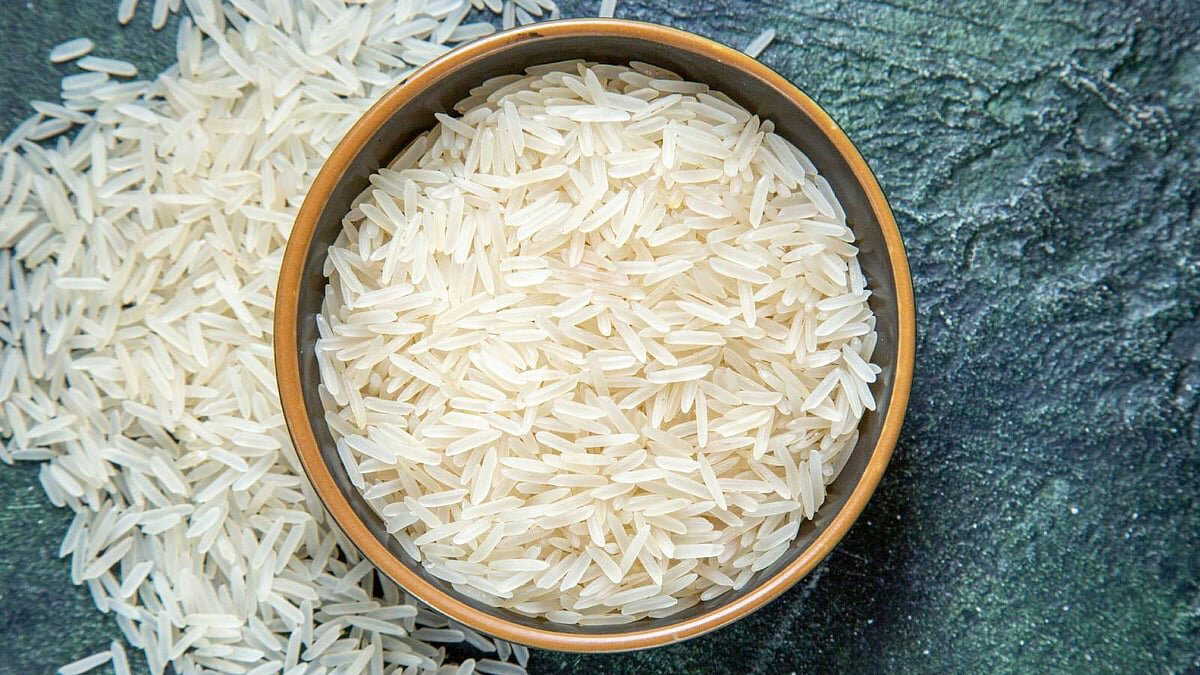
India's basmati rice exports have faced a major setback due to ongoing instability in Iran and trade-related barriers. Iran is the second-largest buyer of India's basmati rice. With transactions with this country virtually stalled, exports worth approximately ₹2,000 crore are stuck, according to industry claims. This has also impacted the domestic market. Over the past week, wholesale prices of premium basmati rice have dropped by nearly 7 percent.
Also Read | SMBC gets RBI’s in-principle approval to set up fully owned subsidiary in India
According to data from the Indian Rice Exporters Federation (IREF), Iran imported approximately 598,000 tons of basmati rice from India between April and November of the current financial year. However, due to Iran's recent internal instability, payment issues have emerged. Exporters allege that Iranian importers are unable to send money and are failing to meet their contractual obligations.
Payments stalled, cargo stuck at ports
IREF Vice-President Ved Garg said, "We cannot establish any contact with our buyers in Iran. Internet services are also virtually shut down. As a result, basmati rice that has reached the ports is lying there." In this situation, US President Donald Trump's threat to impose an additional 25 percent tariff has further increased concerns among exporters. There are fears that this tariff could be imposed on countries continuing trade with Iran.
IREF National President Prem Garg said the organization has advised exporters to remain cautious. He stated, "We don't want to spread panic. However, to reduce risks, emphasis has been placed on secure payment systems and advice given not to stock goods exclusively for Iran." Additionally, advice has been given to explore alternative markets in West Asia, Africa, and Europe.
Also Read | Government simplifies export paperwork for West Asia, North Africa markets
Akshay Gupta, Head of Bulk Export Division at basmati rice manufacturer KRBL, said that if trade with Iran remained fully open, approximately 250,000 tons of basmati rice would be exported annually. However, due to sanctions and market restrictions, that business has significantly declined. According to industry sources, if Iran's situation becomes prolonged, India's basmati rice exports could face further pressure. Consequently, focusing on alternative markets and risk management has now become the biggest challenge for exporters.