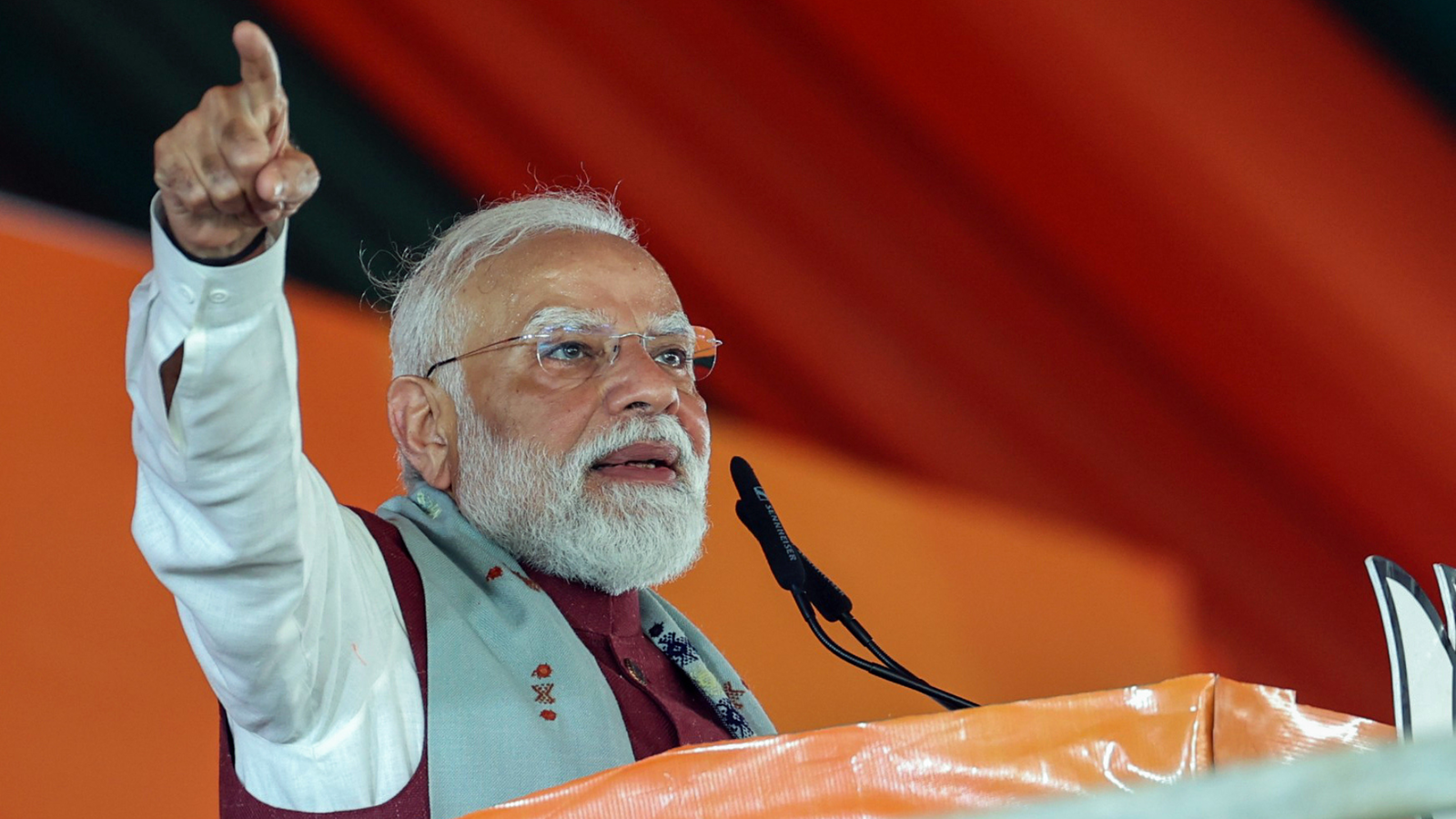
The Prime Minister of India, Mr. Narendra Modi, has issued an appeal to the citizens of India not to buy gold for one year, which has caused a lot of discussions because gold still has significant importance in the savings tradition of Indians and in marriages.
Modi’s statements have been made keeping in view the increasing threats to the foreign currency reserves of India owing to increasing tensions in West Asia, soaring price levels of raw materials, and disruptions in the supply chain worldwide.
In one of his recent speeches, Modi advised the citizens of India to minimise unnecessary expenses on foreign trips, excessive use of fuel, and unnecessary purchases of gold.
Why gold imports are a concern for India
India is among the world’s largest consumers of gold, importing nearly all of its domestic requirement every year.
According to industry estimates cited in reports, India consumes roughly 700 to 800 tonnes of gold annually, while domestic production remains extremely limited at around 1 to 2 tonnes.
Also Read | Why did Air India fire over 1,000 employees in just 3 years? Here's what the CEO says
The implications of this are that the country relies on its gold imports to meet almost all of its requirements, with substantial losses of foreign currency in the process. Imports of gold apparently reached an all-time high of $72 billion in FY2025-26, representing a significant jump from the previous financial year’s $58 billion.
Experts have pointed out that even though gold is still popular among households in India, it makes a negligible contribution towards increasing industrial production relative to the foreign exchange used to acquire them. In the current context, gold represents close to 9 per cent of the country’s total imports and comes second only to crude oil.
Forex reserves under pressure amid global uncertainty
The Prime Minister’s remarks also come at a time when India’s foreign exchange reserves have witnessed recent declines.
According to official data, forex reserves fell by $7.794 billion to $690.693 billion for the week ending May 1.
Rising energy prices linked to tensions in West Asia have added further strain on import costs, especially for oil-dependent economies like India. Against this backdrop, policymakers appear focused on reducing avoidable imports that place additional pressure on dollar reserves.
The government’s broader messaging has included calls for fuel conservation, reduced foreign travel and greater emphasis on domestic production and sustainable consumption.
Gold imports already showing signs of slowdown
Interestingly, India’s gold imports had already begun declining sharply even before the Prime Minister’s remarks. Reports suggest imports fell from nearly 100 tonnes in January 2026 to around 65 tonnes in February, before dropping further to nearly 20 tonnes in March.
April imports are estimated to have remained among the lowest monthly levels seen in decades outside the Covid-19 disruption period.
Analysts attribute the slowdown to a combination of soaring global gold prices, weaker discretionary demand and disruptions in international supply chains. Jewellery industry representatives are now expected to closely watch whether the Prime Minister’s remarks further affect consumer buying patterns ahead of the festive and wedding season.
Also Read | New labor codes to reshape salaries, PF, working hours and layoffs in India
Bigger economic message behind the appeal
Besides gold itself, economists suggest that the government’s allure is part of a broader strategy to foster conservative consumption amid an era of international economic instability.
The economy of India relies greatly on imported goods such as crude oil and gold, which makes India vulnerable to international market trends and foreign exchange rates.
Although gold still enjoys high regard in Indian culture, there seems to be growing concern among policy makers over maintaining consumer needs and macroeconomic stability.