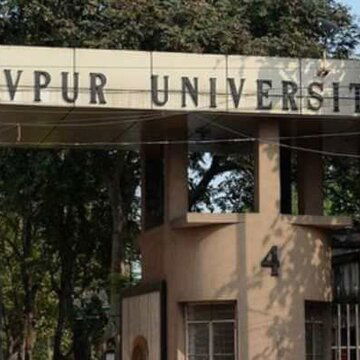
Calcutta University has decided that undergraduate semester minor (pass) course examinations will now be conducted at home centres. Additionally, answer scripts will be evaluated by subject-wise teachers of the respective colleges instead of being sent to external examiners. The move has triggered strong reactions from teachers and college authorities across four districts.
Concerns over fairness and academic pressure
A section of subject-wise teachers argues that attendance in minor courses at general degree colleges is already low. While students attend classes for major (honours) subjects, many minor courses either skip classes or remain absent despite being on campus.
Until now, minor course answer sheets were evaluated by teachers from other colleges. Under the new rule, teachers will not only teach and conduct the exams at their own colleges but also evaluate and award marks.
ALSO READ | Beyond the degree: What a convocation ceremony truly means to educators who shape futures
Teachers from 142 colleges across Kolkata, Howrah, Hooghly and South 24 Parganas have expressed concern that this could create pressure to pass students. Some claim that if students from their own institutions fail, teachers could be easily identified and face hostility. There is also apprehension that colleges may indirectly push for higher pass percentages to protect their standing in future NAAC and NIRF rankings, potentially leading to lenient marking.
Several college principals have also questioned the decision. Shashbindu Jana, Principal of Raydighi College in South 24 Parganas, said that making colleges home centres could create opportunities for copying. He added that although student unions may not exist officially, they function informally, which could further complicate the situation. Jana also warned that some teachers might be tempted to favour students who take private tuition from them.
ALSO READ | Campus conflict escalates at Jadavpur University: Teachers Injured, probe panel formed
Satyabrata Sahu, Principal of Dhrubachand Halder College, pointed out that many colleges face shortages of subject-wise teachers. In institutions with large student populations, evaluating answer sheets internally would significantly increase workload. Previously, the university distributed answer scripts, reducing pressure on individual colleges.
Ramesh Kar, Principal of Rishara Bidhanchandra College, said they had proposed dividing the four districts into six zones for conducting examinations and evaluating answer sheets to maintain balance. However, under the new system, answer sheets will still have to be sent to head examiners for scrutiny, meaning the timeline for evaluation and publication of results is unlikely to change.
University’s response
Vice-Chancellor Ashutosh Ghosh acknowledged that many teachers have raised similar concerns. However, he dismissed fears of undue influence in marking, stating that all answer sheets will undergo scrutiny. To streamline the process and save time, the university plans to appoint one head examiner within a 25–30 kilometre radius for every four to five colleges instead of bringing scripts back to the university.