






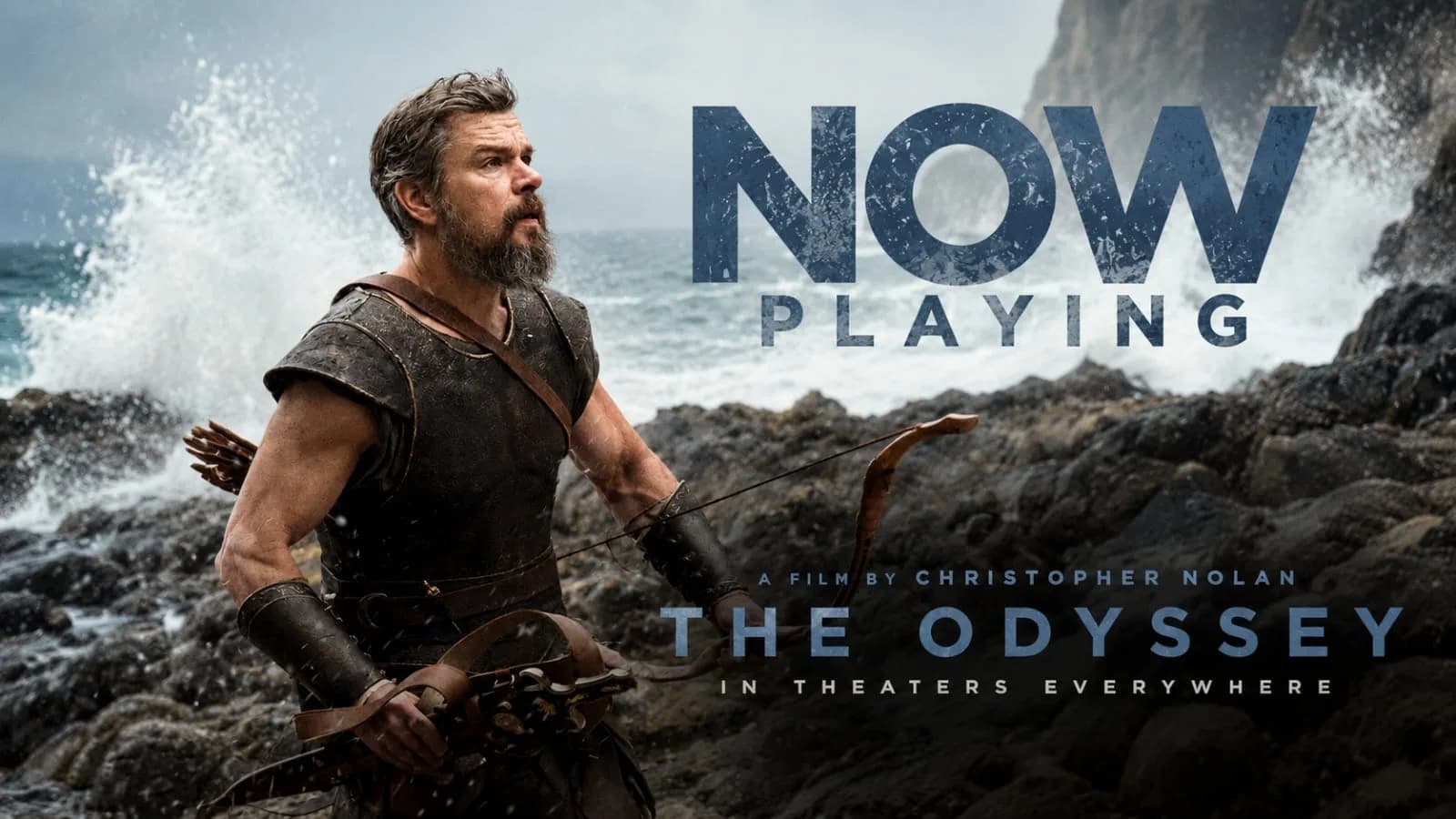









Christopher Nolan’s new film adaptation of The Odyssey has brought fresh attention to Homer’s ancient epic.
The movie was shot across five countries, using IMAX cameras to capture landscapes that feel both otherworldly and breathtaking.
The best part is that most of these filming locations are real places you can actually visit. Here’s a guide to the destinations featured in The Odyssey, why they’re worth a trip, and what you can see there.
Also Read | Avengers: Doomsday SDCC trailer reveals Doctor Doom’s terrifying true power
Ithaca, Greece
Ithaca, known today as Ithaki, is the island Odysseus calls home, the place he spends ten long years trying to reach.
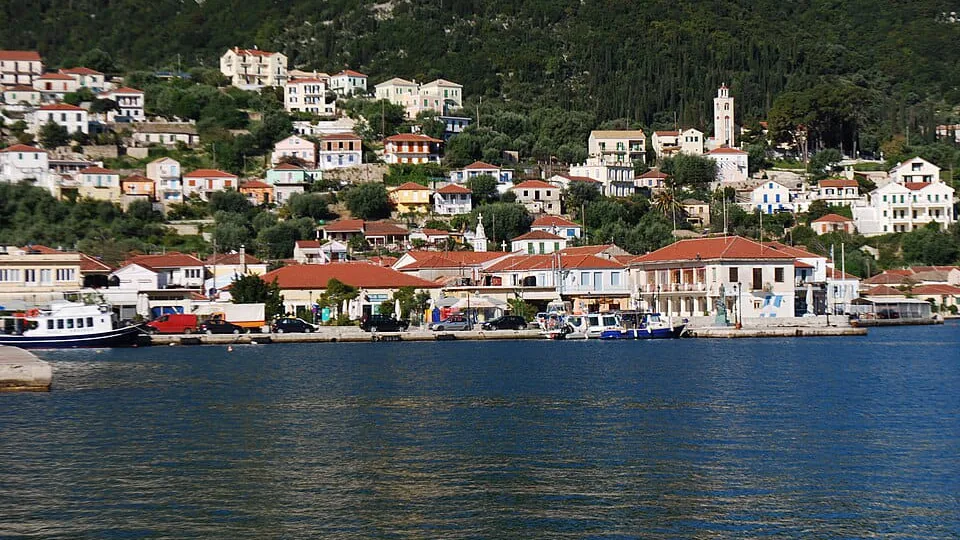
Nolan didn’t actually film here, but this rugged, history rich island is still well worth exploring.
Also Read | Marvel confirms Ryan Gosling as Ghost Rider, replacing Nicolas Cage in MCU
You can see Italian architect Bruno Mazzali’s stunning model of Odysseus’ Palace, look for the clay mask inscribed with “prayer to Odysseus” at the local archaeological museum, or hike up to the site known as Homer’s School.
Messenia, Greece
This is where Nolan did much of his filming, since it’s the region where Odysseus’ son Telemachus searches for news of his missing father.
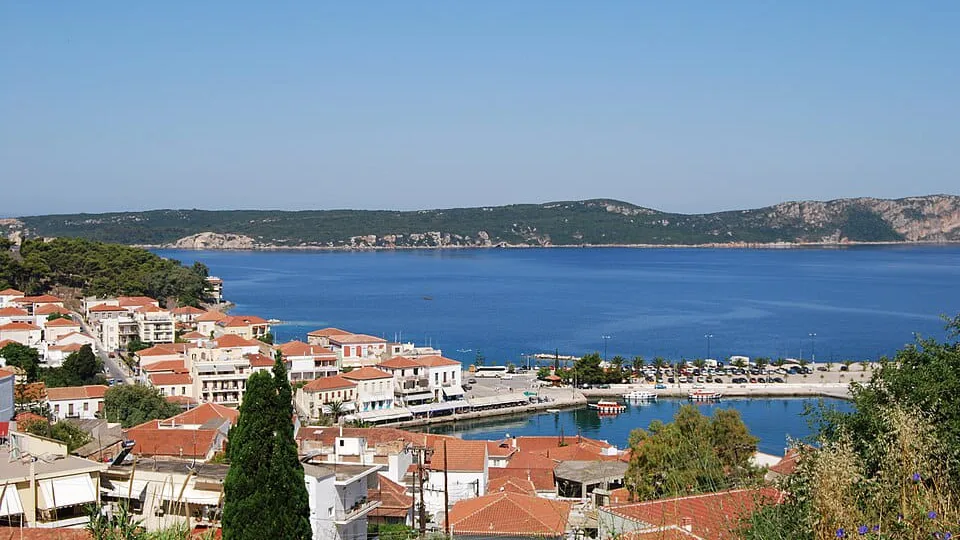
Messenia sits in the southwestern Peloponnese on the Greek mainland and includes towns like Kalamata.
Highlights include the beautifully preserved Bronze Age Palace of Nestor, a swim at the gorgeous Voidokilia Bay, and a hike to Nestor’s Cave.
Troy, Turkey
Also Read | The Odyssey box office collection: Nolan’s epic crosses $400M worldwide
The Odyssey’s story begins in Troy, making it essential visiting for anyone who loves Homer’s work or Nolan’s film version.
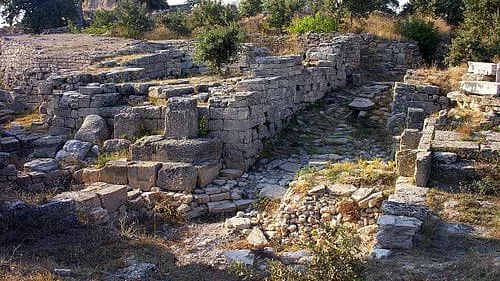
The ancient city, now called Hisarlik in northwestern Turkey, has been recognised as the site of Troy since at least the seventh century BCE. Walking through the ruins and the layers of excavation is genuinely astonishing.
Don’t skip the archaeological site of Troy, which is a UNESCO World Heritage Site.
Favignana, Italy
Located about 18 kilometres off the coast of Sicily, Favignana is tied to some of the most dramatic moments in Odysseus’ journey. Scholars believe this is where he landed to restock supplies after his encounter with the Cyclops.
The island offers crystal clear waters, quiet fishing villages, and an overall sense of calm that makes it worth the trip. You can also visit the Archaeological Museum in nearby Syracuse.
Malta
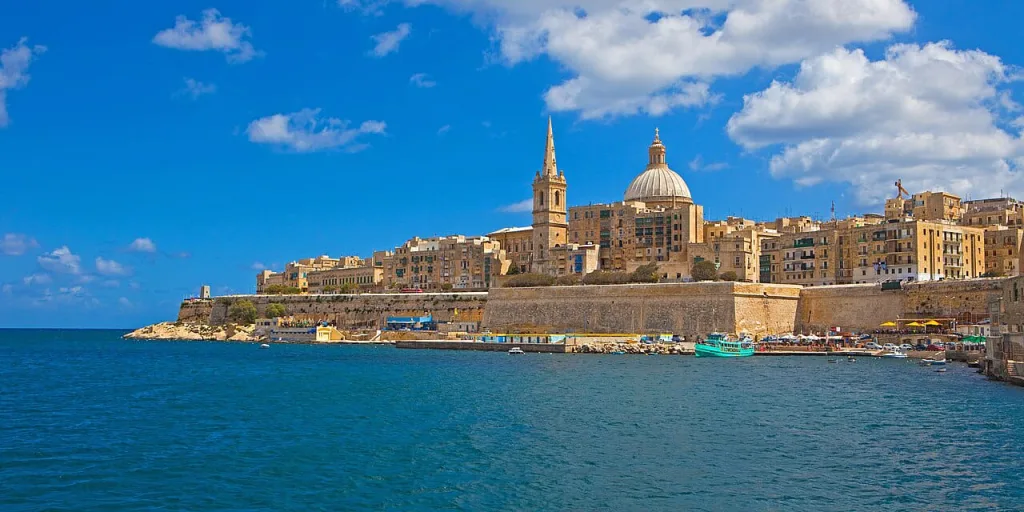
Sitting between Sicily and North Africa, Malta is home to old fortresses, megalithic temples, and the Ħal Saflieni Hypogeum, an underground network of halls and burial chambers dating back to 4000 BC.
Also Read | Avengers: Doomsday trailer breakdown: Hidden clues and Marvel fans may have missed
In the story, after Odysseus loses his entire crew to the sun god Helios’ wrath, he alone survives and washes up on Ogygia, the island of the nymph Calypso. Malta has long been linked to this mythical island.
FAQs
1: Where did Nolan film most of the Odyssey scenes?
Mainly in Messenia, Greece, in the southwestern Peloponnese, where Telemachus searches for news of his father.
2: Why is Troy, Turkey important to the story?
It’s where the Odyssey begins. The ancient city, now called Hisarlik, has been identified as Troy since the seventh century BCE and is a UNESCO World Heritage Site.
