













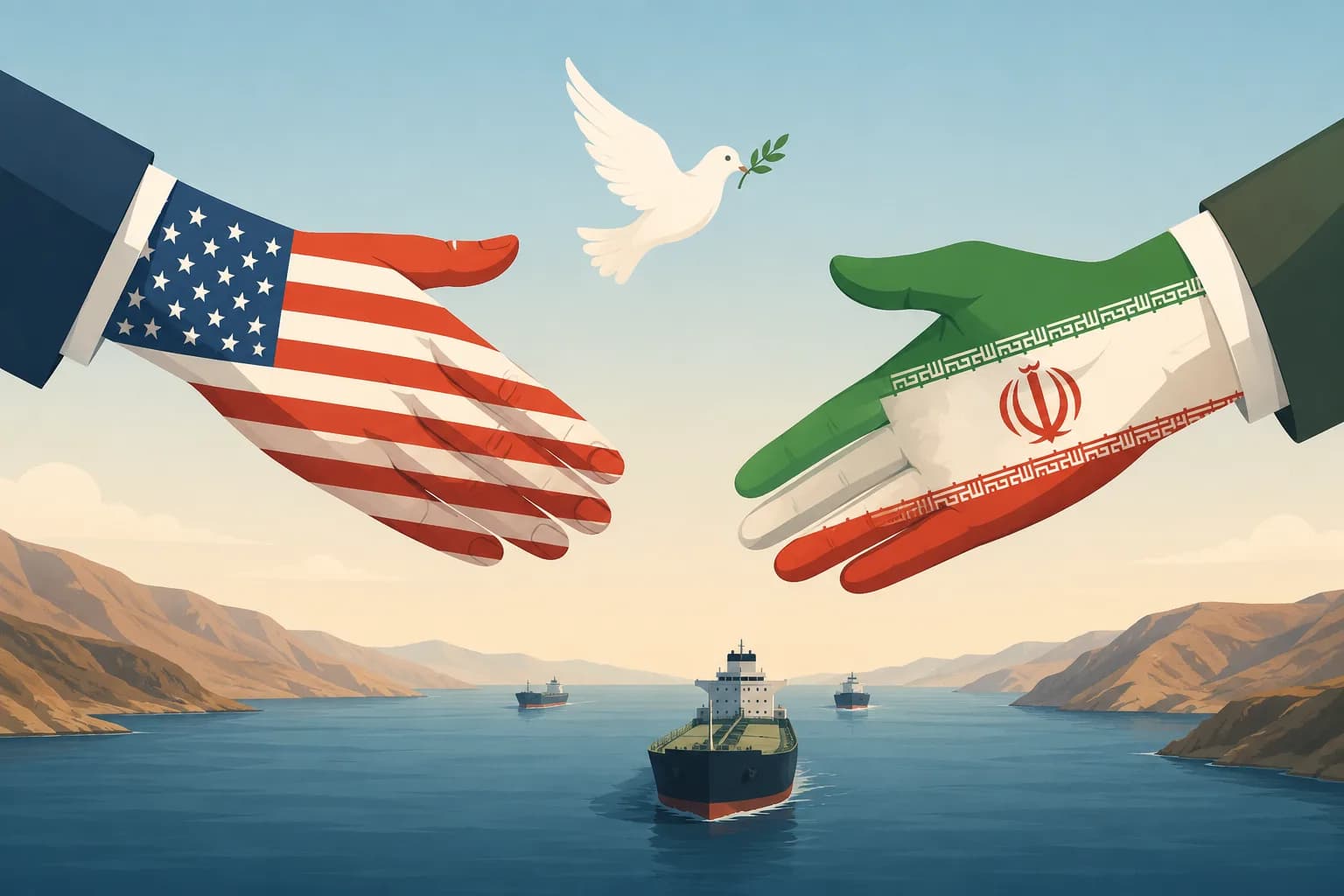

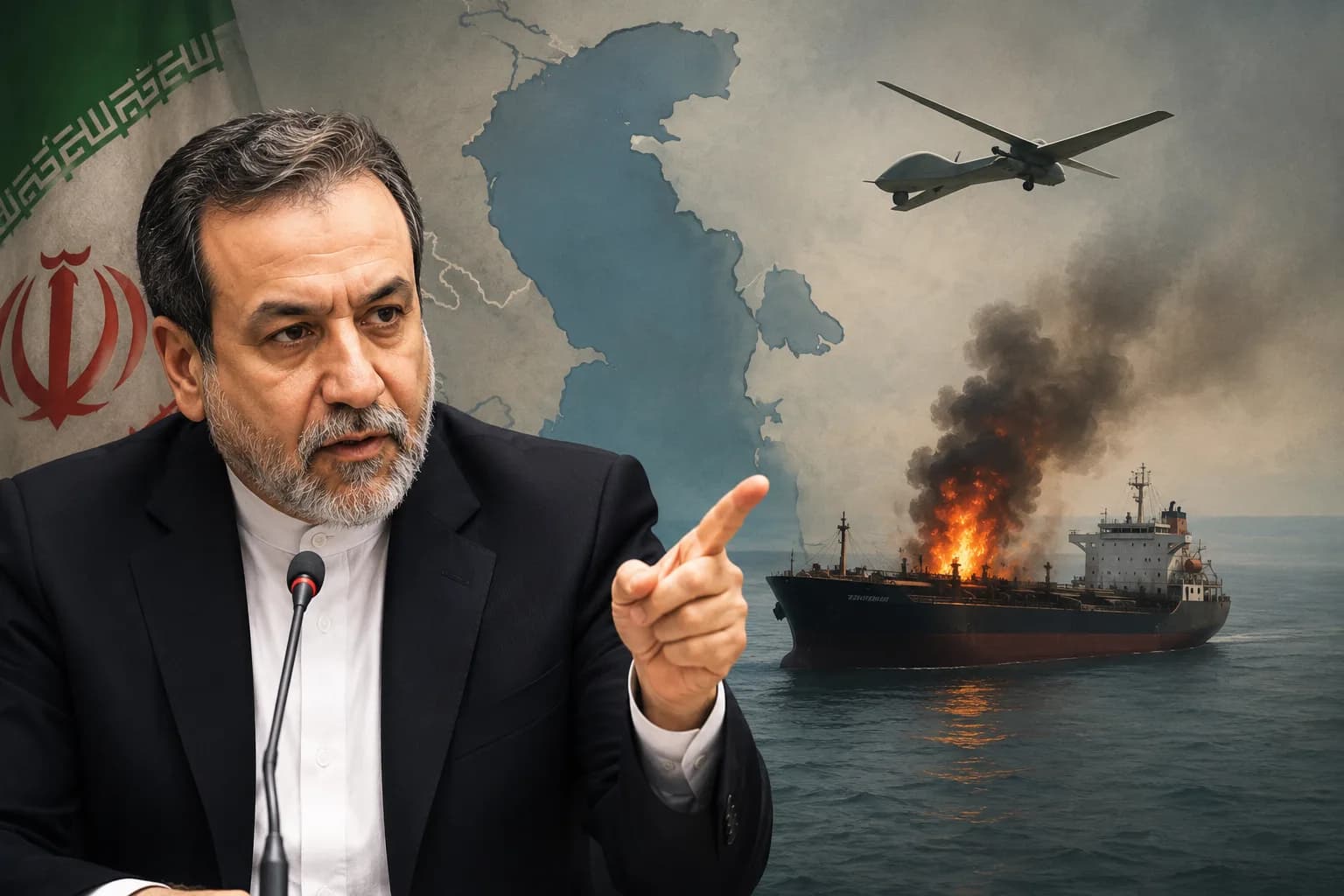







The United States paused its attacks on Iran for a second straight day on Sunday. Tehran said it had done the same, marking the first sustained lull after nearly two weeks of intensifying strikes and counterstrikes.
A senior Iranian official said Tehran would continue to hold back as long as Washington maintained its pause, using the phrase “attack for attack” to describe Iran’s position.
US Ambassador to the United Nations Mike Waltz said President Donald Trump had decided to give talks “a little bit of room” while acknowledging that the pause was meant to create space for diplomacy rather than signal a settled breakthrough.
Also Read | UN votes 144-10 to extend Volker Turk’s term despite US, Israel objections
🚨 TRUMP JUST HIT THE BRAKES… AND IRAN IS FEELING IT
— Gunther Eagleman™ (@GuntherEagleman) July 26, 2026
White House is giving diplomacy some room after months of precision strikes that have devastated Iran’s military.
CENTCOM told the President the bombing campaign has reached the limit of its effectiveness. So Trump paused… pic.twitter.com/nlQaVttXJB
Diplomacy turns to the Strait of Hormuz
The diplomatic track is focused heavily on the Strait of Hormuz, where tensions over vessel movement helped trigger the latest escalation.
Mediators, including Oman, are working to revive an interim ceasefire deal. One compromise under discussion would ease restrictions on Iranian control of maritime traffic through the waterway.
In a Reuters report, Iran was said to want ships to use an alternative route near its coast, while the United States has encouraged traffic to use the southern lane; the dispute has become entangled with broader questions of control, fees, and security in one of the world’s most important energy corridors.
US HITS PAUSE ON IRAN STRIKES !!!
— Ravi Prakash Official (@raviprakash_rtv) July 26, 2026
After 13 consecutive days of airstrikes, Trump has ordered a temporary halt to new attacks on Iran.
The move comes as diplomatic efforts, led by Oman, gather pace in an attempt to prevent a wider regional war.
But this is NOT a ceasefire.
The… pic.twitter.com/cPccQwZE29
Oman keeps the diplomatic channel open
Iran’s Foreign Ministry said technical talks with Oman over the strait had taken place over the weekend and that progress had been made, with discussions continuing after the Omani delegation left Tehran.
That detail adds to signs that the maritime channel has become the main immediate focus, even as the nuclear file remains unresolved.
The key issues, including Iran’s nuclear program, have not been settled. The ceasefire under discussion still looks fragile after repeated violations and military retaliation over the past several weeks.
🚨 BREAKING
— Wimar.X (@DefiWimar) July 26, 2026
🇺🇸🇮🇷 U.S. AND IRAN HAVE JUST HALTED ALL ATTACKS AGAINST EACH OTHER.
THE ODDS OF A CEASEFIRE BY AUGUST 31 HAVE PUMPED TO 73% ON PREDICTION MARKETS.
THIS IS GIGA BULLISH FOR MARKETS!! pic.twitter.com/keckK47Pll
A fragile calm under close watch
The pause has raised hopes of a broader de-escalation, but both sides appear to be treating it cautiously.
Iranian officials doubt the US halt represents a real policy shift and view it as tactical rather than genuine.
The stakes are high. Hormuz remains central to global energy flows, with roughly a fifth of the world’s oil passing through it. Any renewed disruption could quickly push shipping and fuel markets back into crisis.
Also Read | Iran blames Ukraine for Caspian Sea vessel strike, says ‘cannot go unanswered’
FAQs
Q1: Why have the US and Iran paused their attacks?
The pause is intended to create space for diplomatic efforts, with Oman mediating talks to reduce tensions and address disputes over the Strait of Hormuz.
Q2: Why is the Strait of Hormuz important?
The Strait of Hormuz is a critical global shipping route through which about one-fifth of the world’s oil supply passes.
