







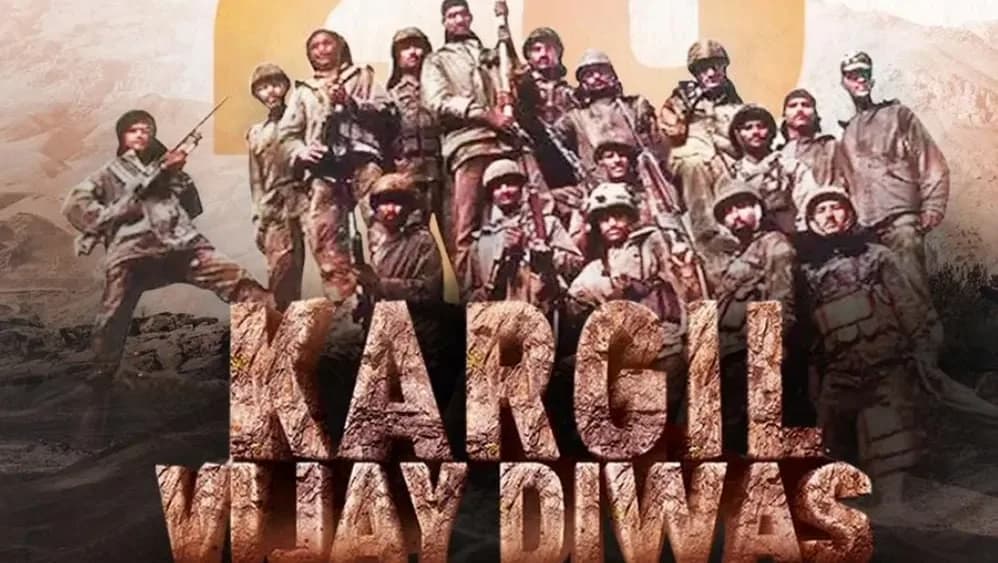













Beyond a battlefield victory, the Kargil War of 1999 marked a turning point in India’s defence journey, exposing critical operational challenges. The conflict made Indian leadership revolutionize their military strategy and become more self-reliant in defence production.
The Kargil War
In May 1999, Pakistani forces infiltrated across the Line of Control (LOC) and occupied key Indian positions including Dras, Mushkoh, Kaksar and Batalik, under Operation Badr and with an aim to disrupt the Srinagar-Leh highway to isolate Indian positions in Ladakh and increase pressure on India over Kashmir.
Also Read | At Kargil Vijay Diwas, Rajnath Singh draws red line on Pakistan, PoK talks
India’s response was Operation Vijay, along with Operation Safed Sagar and Operation Talwar orchestrated by the Indian Air Force and the Indian Navy.
After intense fighting for approximately 11 weeks and at altitudes exceeding 16,000 feet, India recaptured every lost position without crossing the LOC.
The victory came at a cost as 527 soldiers were martyred and over 1,300 soldiers were wounded.
Key takeaways from the war
The war exposed gaps in intelligence gathering, surveillance, logistics and coordination among the three Services, which led to key reforms in India’s military strategy.
One of the biggest lessons was the coordination among the Army, Navy and Air Force, which eventually led to the creation of the Chief of Defence Staff (CDS) in 2020, Department of Military Affairs (DMA) and greater emphasis on integrated military doctrines and theatre commands.
The conflict also highlighted the need for precision weapons, better surveillance and faster decision-making, which led to the creation of advanced drones, weapons and surveillance systems.
Also Read | Kargil Vijay Diwas 2026: Why India observes it every year on July 26
The war also reinforced the faith in indigenous defence manufacturing and in 2025-26, India’s defence production reached a record ₹1.78 lakh crore, while defence exports rose to ₹38,424 crore.
After the war, India also increased its border surveillance through drones, unmanned aerial systems, radar systems and many more.
The conflict fought in harsh climate and high altitudes also increased India’s investment in specialised mountain warfare training, better winter clothing and equipment and improved logistics.
The nature of India’s warfare has also changed drastically, with drone warfare, presicion-guided weapons, electronic warfare systems and network-centric military operations.
The lessons of the war also accelerated defence manufacturing, with Defence Industrial Corridors in Uttar Pradesh and Tamil Nadu, Srijan Defence Portal; greater participation of MSMEs and start-ups and higher foreign investment in defence manufacturing.
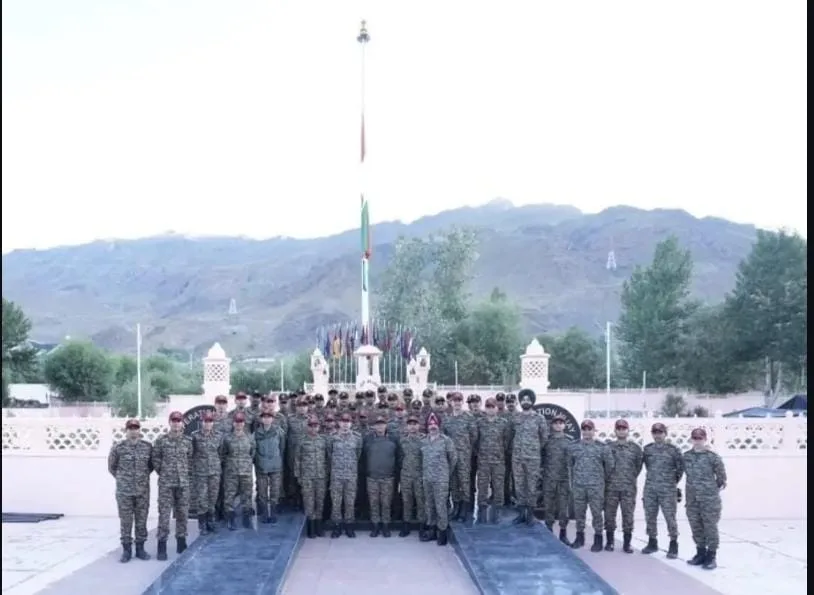
Following the victory in 1999, July 26 is celebrated as the Kargil Vijay Diwas every year to honour the courage and sacrifice of the lionhearts of Kargil.
The reforms were aimed at strengthening India’s self-reliance while creating a robust domestic defence ecosystem.
FAQs
1) When is Kargil Vijay Diwas?
Kargil Vijay Diwas is celebrated every year on July 26 to honour the courage and sacrifice of the Indian soldiers in the 1999 Kargil War.
2) Which reforms did India make after the war?
The war exposed gaps in intelligence gathering, surveillance, logistics and coordination among the three Services, which led to key reforms in these areas.
