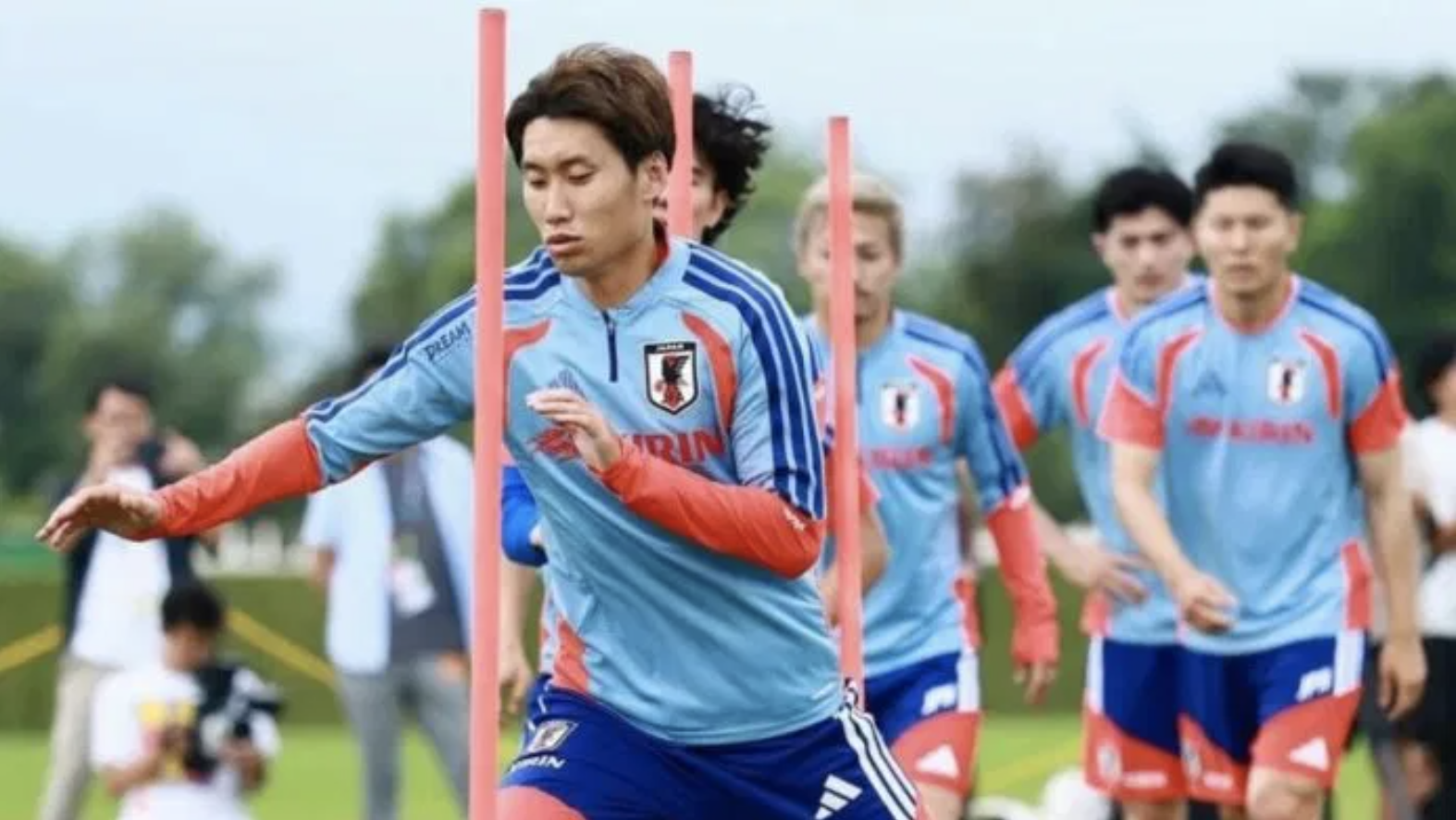
For decades, Asian teams have arrived at the FIFA World Cup hoping to survive the group stage or produce the occasional giant-killing result. Japan enter the 2026 edition under very different circumstances. The Samurai Blue are no longer viewed as outsiders looking to spring a surprise. Instead, they are considered Asia’s strongest contender and a team capable of making a genuine impact in the knockout rounds.
The shift is significant. No Asian nation has entered a World Cup carrying expectations of sustained success quite like this Japanese side. Their progress is the result of a long-term footballing revolution that began more than 30 years ago and has transformed Japan from an emerging football nation into one of the most respected teams outside Europe and South America.
A football revolution decades in the making
Japan's rise did not happen overnight. The foundations were laid in the early 1990s with the creation of the J.League and a nationwide commitment to developing football infrastructure.
Initially, the league attracted international stars such as Zico and Gary Lineker to generate interest. Once the sport gained popularity, attention shifted towards youth academies, coaching systems and grassroots development.
The Japan Football Association's long-term vision focused on producing elite players rather than importing them. By the 2020s, that strategy had created a steady pipeline of talent capable of competing in Europe's top leagues. Today, the majority of Japan's national team players perform at the highest levels of European football, giving them experience and tactical maturity rarely seen in previous Asian squads.
Also Read | Portugal chase elusive World Cup glory as Ronaldo prepares for final dance
European experience has transformed the team
Manager Hajime Moriyasu now possesses the deepest and most versatile squad in Japanese football history. Creative force Takefusa Kubo orchestrates attacks, while Wataru Endo provides leadership and defensive stability in midfield.
Up front, Ayase Ueda and Daizen Maeda bring pace, movement and relentless pressing. Defensively, players such as Takehiro Tomiyasu and Ko Itakura provide the physicality and composure that previously separated Asian sides from Europe's elite.
Perhaps the most important development is Japan's ability to adapt tactically. Whether pressing aggressively or sitting deeper and attacking in transition, Moriyasu's side can alter shape and approach depending on the opposition.
Also Read | Egypt World Cup 2026: Salah leads Pharaohs’ quest for historic breakthrough
Beyond participation, toward contention
Recent victories over traditional powerhouses have reinforced belief that Japan can compete with the world's best. Wins against Brazil and England demonstrated not only technical quality but also the physical resilience often considered a weakness of Asian teams.
That evolution may be the clearest sign of how far Japanese football has come. The conversation is no longer about whether Japan belong on the world stage. Instead, it centres on how far they can go.