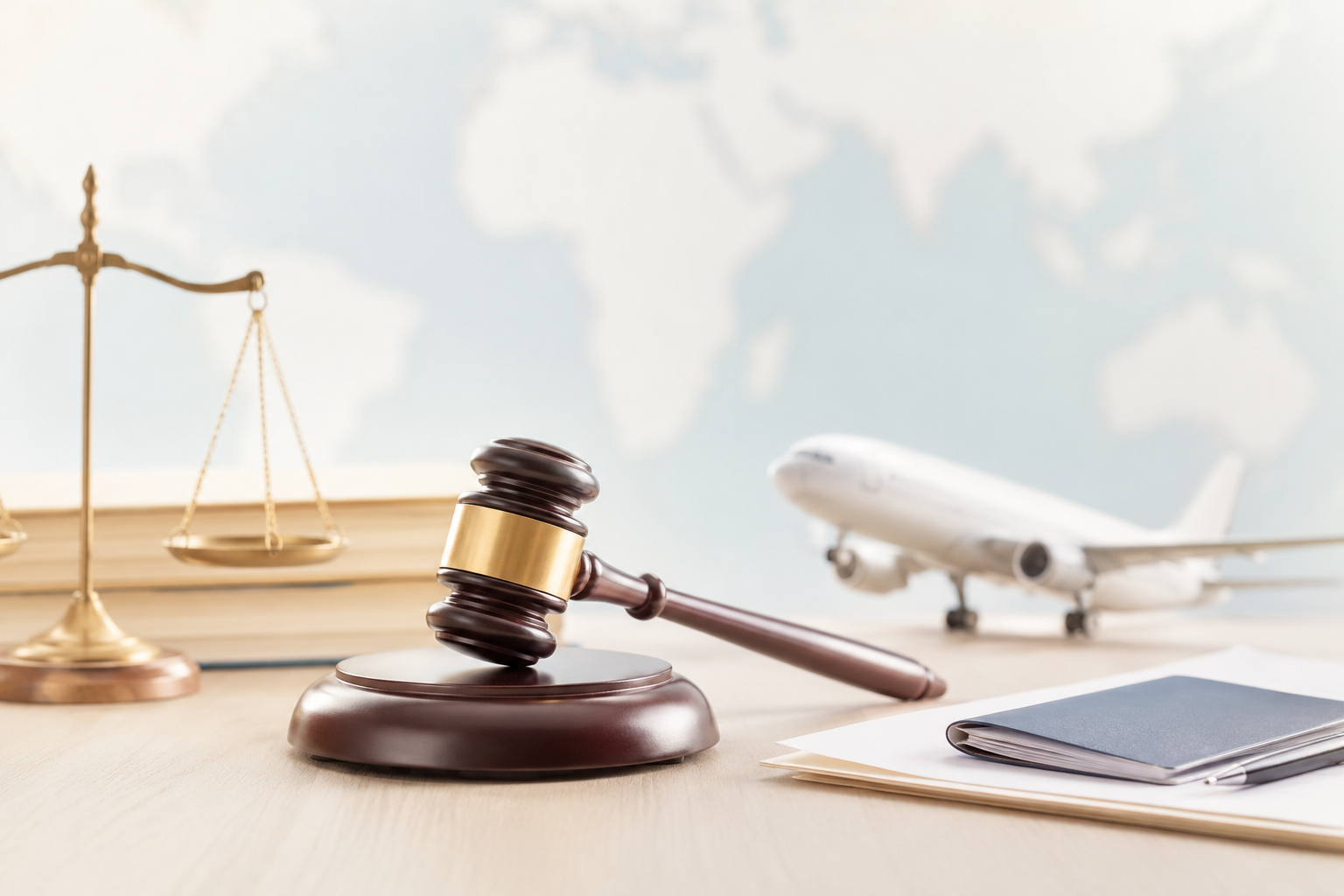
A federal judge in Boston has invalidated Donald Trump’s $100,000 fee on new H-1B visas, ruling on Monday that the surcharge announced by the president last year was unlawful and must be set aside.
The case was brought by 20 Democratic state attorneys general, who challenged the fee after Trump announced it in September as part of a broader push to restrict foreign workers.
Also Read | Can Xi draw Pyongyang closer? China and North Korea signal new warmth
Judge blocks $100k fee for H-1B visas imposed by Trump #TheHill https://t.co/a8rIo1dy7i
— #TuckFrump (@realTuckFrumper) June 8, 2026
A matter of powers, not preferences
US District Judge Leo Sorokin said the administration had gone beyond its authority in trying to impose the charge. Sorokin described the fee as “an unlawful tax that the Congress had never authorized."
The court’s reasoning was that the president cannot levy a tax without congressional approval.
Where the sums ceased to add up
The ruling landed a significant blow to a policy that would have sharply raised the cost of hiring skilled foreign workers.
The H-1B program allows 65,000 visas a year, with an additional 20,000 for workers with advanced degrees, and visas are typically valid for three to six years. Before Trump’s order, employers generally paid about $2,000 to $5,000 in fees.
The fee increase had already discouraged applications, with US Citizenship and Immigration Services saying it had received just 85 payments of the $100,000 charge as of February 15.
JUST IN: A federal judge has ruled Trump's $100,000 H-1B visa fee is an unauthorized tax on businesses and must be vacated. https://t.co/bQXFTaiMmK pic.twitter.com/g5HTy9Cu0X
— Kyle Cheney (@kyledcheney) June 8, 2026
A ruling today, an appeal tomorrow
Sorokin’s ruling vacated the fee in full and noted that the Trump administration is widely expected to appeal.
The judge found the charge amounted to a tax rather than a regulatory restriction and that, under the constitution, Congress — not the president — holds the power to levy taxes.
Why India is watching closely
India is the biggest stakeholder in the H-1B system, with Indian nationals accounting for 71% of approved beneficiaries last year, according to US government data.
That means the court ruling matters most directly for Indian engineers, tech workers, and graduates who look to the H-1B route for jobs in the US, especially at a time when Indian IT firms remain deeply tied to the American market.
India’s $283 billion IT sector earns about 57% of its revenue from the US, and industry body Nasscom had warned that the fee would disrupt onshore projects and create uncertainty for professionals and students.
Also Read | Europe wins the day? Pashinyan prevails as Armenia's Russia reset gathers momentum
Some breathing room at last
The immediate effect of the ruling is to remove a major cost shock for new Indian applicants and the companies that sponsor them, while also easing pressure on Indian IT firms that routinely rotate employees to client sites in the US.
The White House had clarified the higher fee is applicable to new applicants, not existing visa holders or renewals.
FAQs
Q1. Why did the US court strike down Trump's $100,000 H-1B visa fee?
Ans: The judge ruled that the fee amounted to an unauthorized tax that had not been approved by Congress.
Q2. How does the H-1B visa fee ruling affect Indian workers?
Ans: The decision removes a major cost barrier for new H-1B applicants, many of whom are Indian professionals seeking jobs in the US.