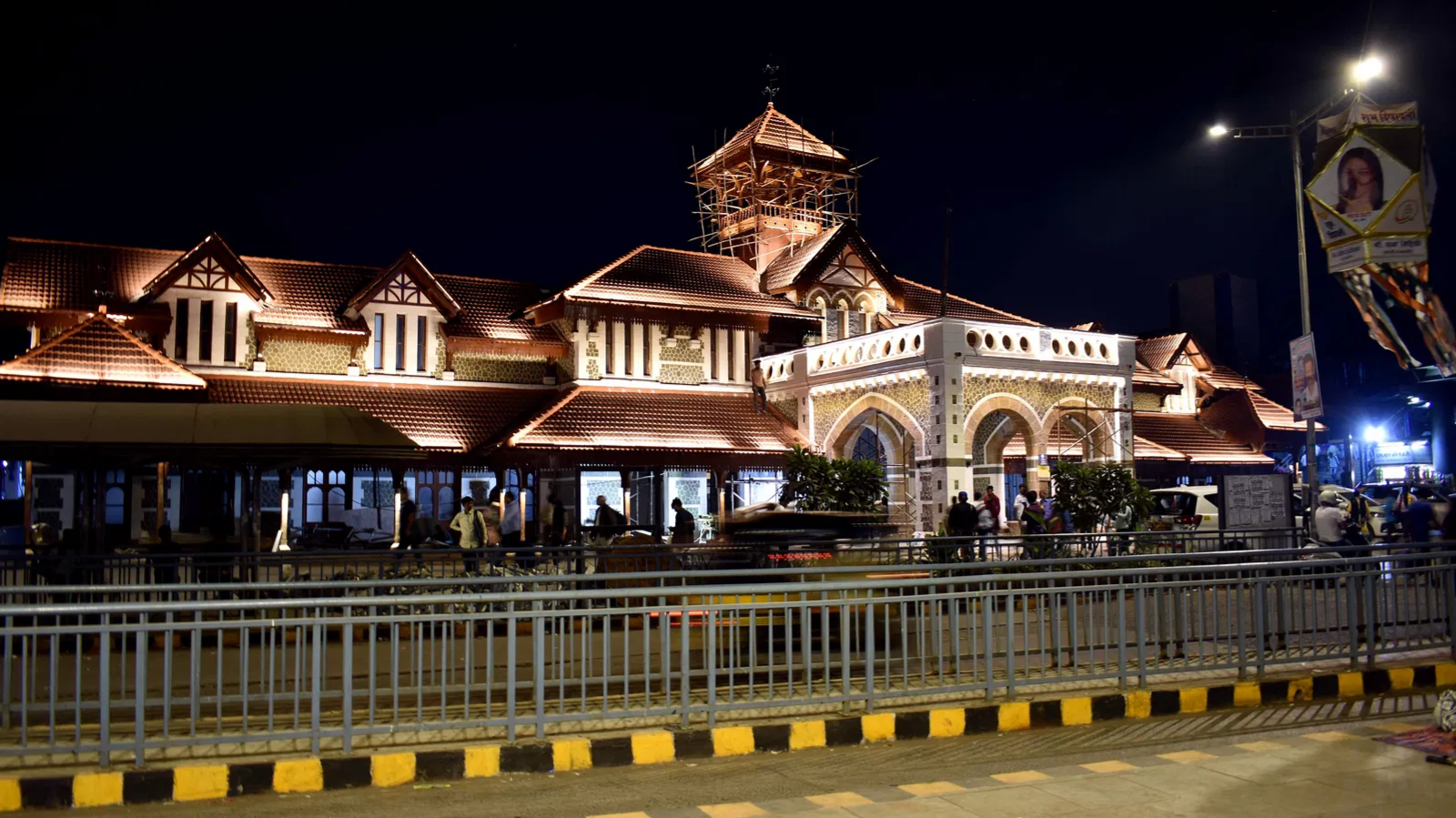
Mumbai’s rich and layered past is set to become more accessible to the public. Reports from the Hindustan Times state that the Brihanmumbai Municipal Corporation (BMC) is considering a proposal to introduce digital museums across key public spaces and heritage precincts in the city.
The initiative aims to seamlessly blend technology with storytelling, offering citizens easy access to information about the history and personalities associated with different locations.
History lessons for the people
The idea has been put forward by Bharatiya Janata Party (BJP) corporator Tejinder Singh Tiwana, as per a report by the Indian Express, and is scheduled to be taken up for discussion during the upcoming civic house proceedings later this month.
Tiwana has emphasised that the project is intended to familiarise people with individuals who have significantly contributed to shaping Mumbai’s cultural and social landscape, but remain relatively unknown to the wider public.
Also Read | Who is Harshita Arora? Meet the UP-born school dropout who rose to become Y Combinator’s General Partner
While many residents are aware of iconic figures such as Babasaheb Ambedkar and Shivaji Maharaj, after whom several prominent roads are named, he pointed out that several other notable personalities have gradually faded from public memory.
He cited the example of Kavi V R Kant, noting that although a road in his constituency bears the poet’s name, very few people are aware of his contributions. The initiative aims to bring such overlooked figures back into public consciousness and recognise their role in the city’s history.
QR codes to transform road signs
All road nameplates across Mumbai will reportedly be equipped with QR codes under the proposal. Currently, roads, junctions, and public spaces are marked with blue signboards displaying their names. The plan is to integrate QR codes into these existing boards, enabling citizens to scan them using their smartphones.
Once scanned, the codes will direct users to an AI-powered digital dashboard featuring curated content about the personality after whom the location is named, along with insights into the area’s historical significance.
Interactive content through AI dashboards
The Indian Express also reported that the proposed digital platform will present information in an engaging format, including short videos, animations, and crisp narratives for easy consumption. In addition to biographical details, users will also be able to explore the local history of specific neighbourhoods, making the experience more immersive and informative.
Under the Municipal Corporation Act, roads and public spaces in Mumbai are typically named after individuals who have made meaningful contributions to society, including scholars, freedom fighters, poets, and social reformers.
Also Read | Mumbai court orders takeover of Nirmal Lifestyle land to recover ₹1,179 crore loan
19,000 roads as living history
Civic records indicate that nearly 19,000 roads in the city are named after distinct personalities, making Mumbai a vast, living repository of historical references embedded in everyday geography.
Officials from the BMC’s road department highlighted how several localities derive their names from historical or functional significance. For instance, areas like Cotton Green were named due to their association with cotton mills that once contributed significantly to the city’s economy.
Similarly, Bread Lane in Crawford Market is believed to have derived its name from the bakeries that once supplied bread to ships at Bombay Harbour.
The proposal also envisions practical use for visitors and tourists. For example, someone visiting Haji Ali could scan a QR code on a nearby road sign to instantly access information about the area’s history, cultural importance, and origins of its name.
What are the challenging factors?
This is not the first time such an idea has been explored. The BMC had reportedly proposed a similar initiative in 2021 in collaboration with a non-governmental organisation, but the plan did not materialise.
Officials now acknowledge that for the project to succeed, collaboration with city historians and experts will be crucial to accurately document and digitise Mumbai’s extensive historical.