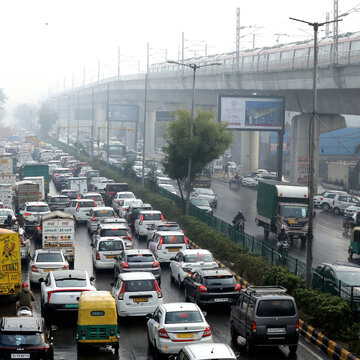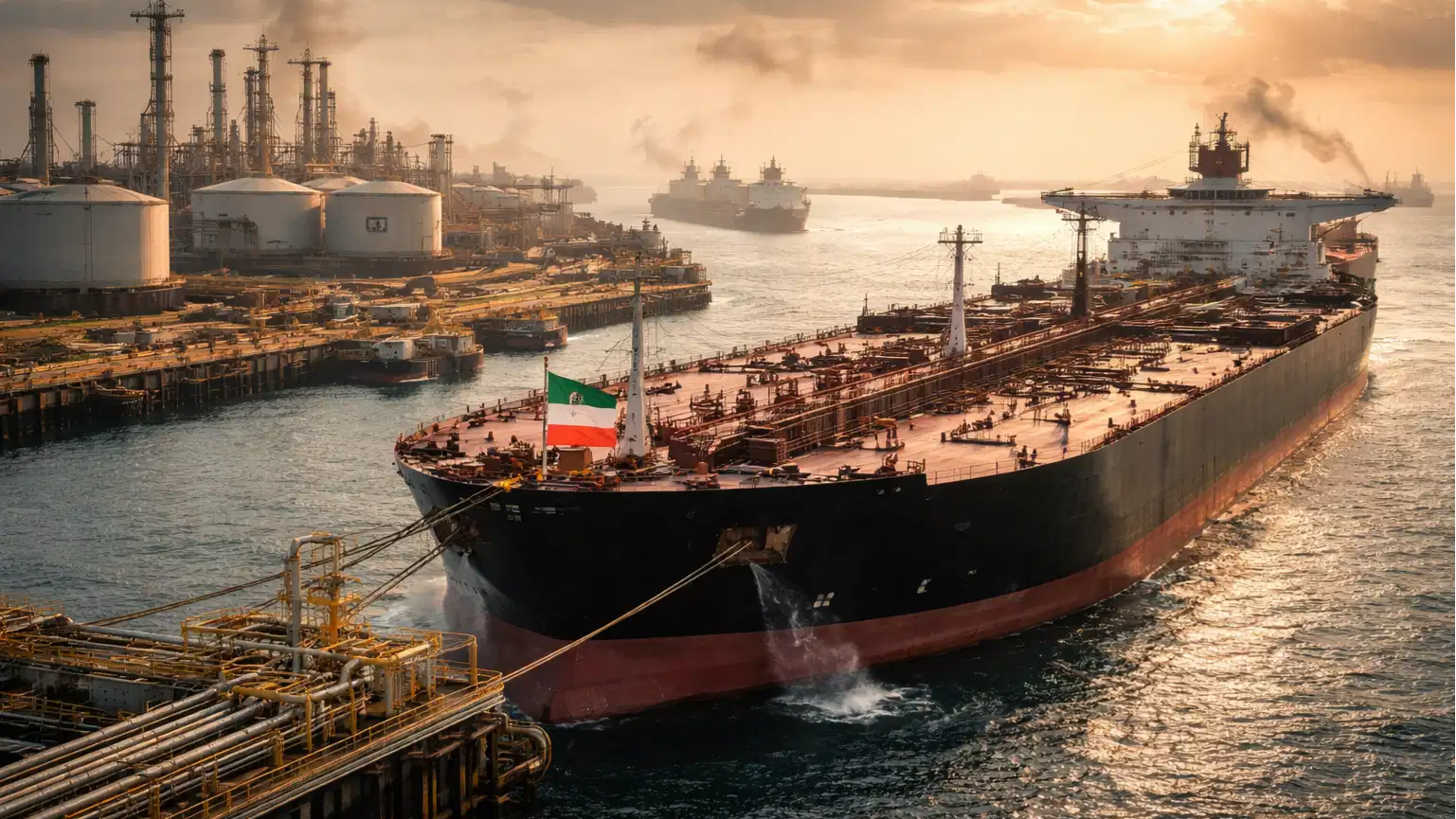
Even though crude oil is one of the main sources of energy in the contemporary world, when found in nature, this product is not useful at all. Before it reaches vehicles, kitchens or aircraft, it undergoes a complex refining process that breaks it down into usable fuels like petrol, diesel and kerosene.
Let us find out more about the proportion of fuels contained in crude oil and the procedure itself.
How crude oil is separated
This substance is composed of heavy hydrocarbons which are taken from natural reserves. In order to obtain fuel, it is heated up to more than 400 degrees, becoming a gas.
Then, the substance goes through distillation towers, the temperature of which lowers as we move up from the ground to the ceiling. Depending on their boiling points, different compounds become liquefied.
Also Read | Shocking conspiracy in Bihar: Accused allegedly sought CIA funds to target PM Modi
Petrol comes from light compounds
Kerosene is produced by middle components
Diesel is obtained from heavy substances
How much petrol comes from crude oil
Data from the US Energy Information Administration shows that one barrel of crude oil (about 159 litres) yields approximately 72 to 76 litres of petrol.
This translates to roughly:
0.45 to 0.48 litres of petrol from 1 litre of crude oil
The exact output varies depending on the type of crude and refinery configuration.
Diesel and kerosene output explained
Diesel, which is a more viscous fuel utilised in transportation and manufacturing, is distilled in lesser amounts.
Diesel: About 42 to 45 liters per barrel
Equals to 0.26 to 0.28 liters per liter of crude oil
Kerosene, usually purified into jet engine fuel, has less importance than other products:
Kerosene: About 4 to 5 gallons per barrel
Equals to 0.10 to 0.12 liters per liter of crude oil
Also Read | Nitish Kumar to take oath as Rajya Sabha MP today, new government formation likely by April 15
Other uses of crude oil
Crude oil is the raw material for making some non-fuel products, like plastics, medicines and asphalt in roadbuilding. It may be noted that the process of distillation sometimes increases the total volume output owing to hydrocarbon combination.
India needs large volumes of imported crude oil, which is mostly transported via important maritime channels such as the Strait of Hormuz. Any disturbance in the import chain because of political conflicts may lead to a rise in fuel prices internationally.