The depreciating rupee has a deep underlying on the Indian consumers. Anindya Bannerjee, the head of currency and commodities at Kotak Securities, told The Indian Express, “In an economy, it is the consumer or the household who is the largest importer.”
Why are we witnessing the Rupee’s fall?
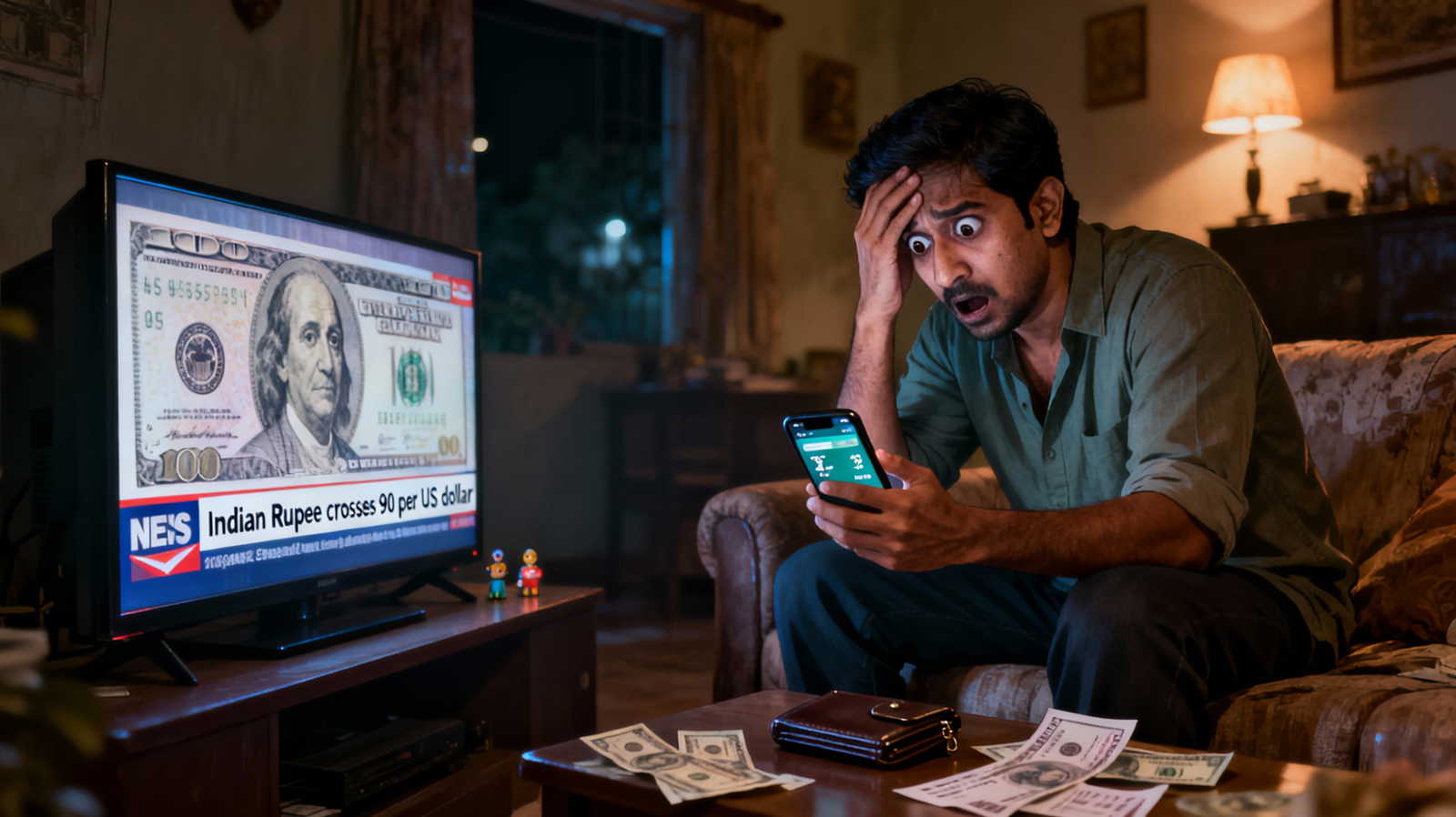
The RBI has been facing several problems as the India-US trade deal is getting delayed. The US imposes a 50 per cent tariff on India, which slips out of the grip of Foreign Direct Investment inflows. These problems have led investors to pull out money from the equity markets. All of it cumulatively resulted in the depreciation of the rupee by around 5 per cent against the US dollar in 2025. The rupee hit a time low last week, falling past Rs 90 per dollar.
Also Read| CAT 2025 update: Answer key to be released shortly on official website. Here's how to check
How does it affect the ‘common man’?
The financial markets have weapons in their arsenal to fight this tough battle, but what about the common man who has to alter all their financial planning to get along with this outbroken crisis? The section of the population that has nurtured their dreams of education from abroad or to go for a holiday in foreign lands, a weaker rupee will turn everything expensive. If we take an example, the annual tuition fee of a student is around 100,000 dollars, which would amount to Rs 85 lakhs with an exchange rate of Rs 85 per dollar. The rupee weakened to Rs 90 per dollar would result in Rs 90 lakhs, a straight hike of 5 lakh rupees. The hike in the tuition fees would amount to around twice the nominal per capita income of India, stated to be Rs 2.05 lakhs in 2024-25. The imported goods will turn more expensive, and the holiday itineraries might be reduced if the person does not choose to increase their budget.
Also Read| JNVST Admit Card 2026 released for Class 6: Here’s what you need to know
How can the common man protect themself from the rupee’s depreciation?
According to The Indian Express, Vishal Dhawan, founder and CEO of Plan Wealth Advisors, mentioned, “ The options for hedging (against) this risk are fairly limited. The possible approach that retail individuals could take is to look at investing in assets which are dollar-based, as part of their savings for a particular financial goal.” The RBI’s Liberalised Remittance Scheme allows individuals to send a total amount of $250,000 in a financial year for purposes such as travel, studies, medical treatment, and investments in foreign stocks.
The significant depreciation of the rupee could have an impact on almost every aspect of life. Anindya Bannerjee, the head of currency and commodities at Kotak Securities, mentioned The Indian Express, “In an economy, it is the consumer or the household who are the largest importer. Just look at the things around you that you have bought or acquired in the last 5-6 years. How much of import component is there (in these goods)?”