Amid disruptions linked to the US-Iran conflict and the Strait of Hormuz blockade, global attention has turned to strategic oil reserves. These stockpiles are meant to cushion economies during supply shocks, a system that dates back to the 1970s when the US and other OECD nations created reserves to manage oil crises.
In March 2026, members of the International Energy Agency (IEA) coordinated the release of emergency crude supplies after the Strait faced disruptions, underlining the importance of these reserves, as reported by The Times of India.
Also Read | Bengaluru rains turn deadly: 10 killed in wall collapse, electrocution cases amid storm chaos
China leads global reserves
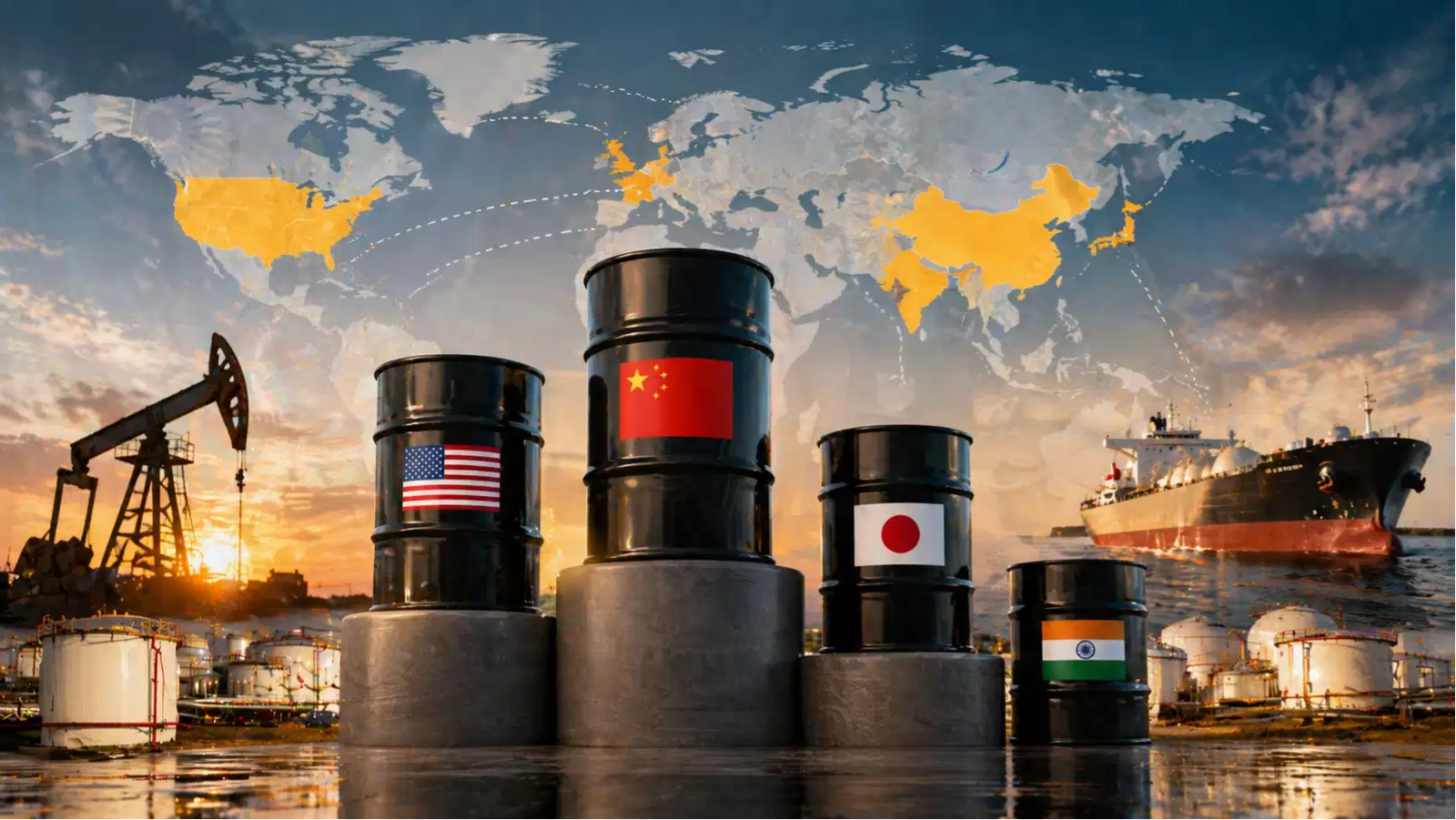
China currently holds the largest estimated strategic oil reserves in the world. According to IEA analysis, the country expanded its holdings significantly in 2025, adding crude at an average rate of 1.1 million barrels per day, per TOI report.
By December 2025, China's total strategic inventories were estimated at nearly 1.4 billion barrels. Unlike most countries, China's figures include both government-owned and commercial inventories. Government-controlled reserves alone were estimated at around 360 million barrels.
US and Japan follow
The United States ranks second, with its Strategic Petroleum Reserve (SPR) holding 413 million barrels as of December 2025. The SPR, established in 1975, has a maximum capacity of 714 million barrels. By March 2026, reserves rose slightly above 415 million barrels before easing to around 409 million barrels in April.
Japan holds the third-largest reserves, with 263 million barrels in government-managed stockpiles. In addition, Japanese law requires private companies to maintain reserves equivalent to 70 days of demand, separate from state reserves that cover another 90 days.
Europe and other countries
Countries in OECD Europe collectively held about 179 million barrels in government-owned reserves. South Korea maintained around 79 million barrels.
Outside the OECD, estimates are less precise. Saudi Arabia is believed to have held about 82 million barrels, the UAE around 34 million barrels, and Iran roughly 71 million barrels in onshore inventories as of December 2025.
Where India stands
India's strategic reserves are relatively smaller compared to global leaders. According to Indian Strategic Petroleum Reserves Limited, the country held 21.4 million barrels of crude oil in its reserves as of March 2025, per TOI report.
Also Read | Ladakh earthquake today: 4.1 magnitude tremor jolts Leh early morning
An additional 3 million barrels stored at Mangalore on behalf of the Abu Dhabi National Oil Company are not counted as part of India's reserves. Under the agreement, part of the facility remains available for India’s strategic use when required.
India has also explored expanding storage capacity overseas. Discussions with Oman have included the possibility of leasing space for up to 5 million barrels, reflecting ongoing efforts to strengthen its energy security.