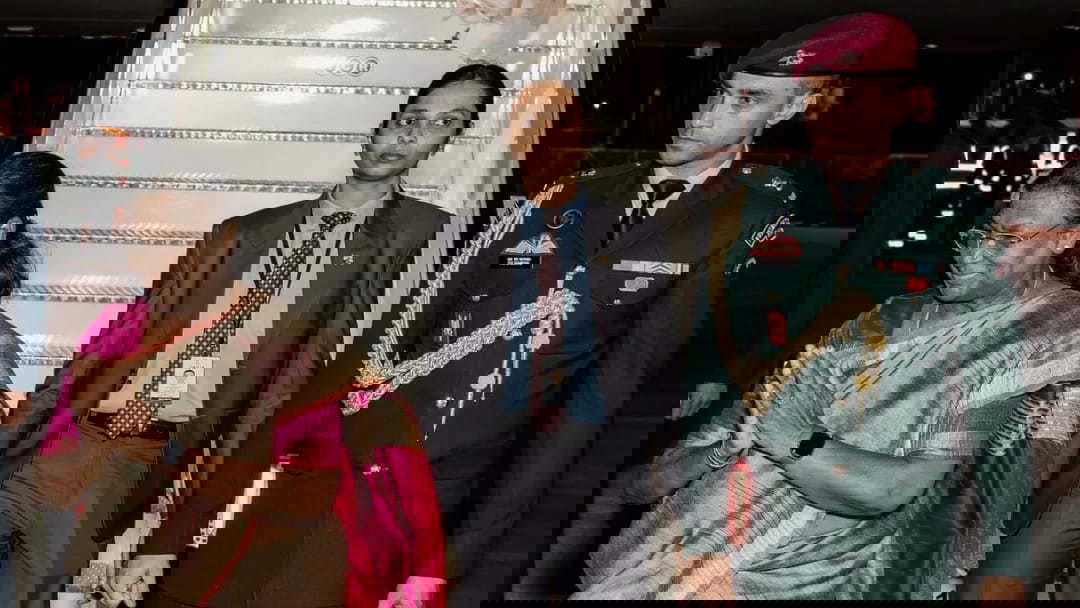
The President’s Bodyguard (PBG) is the oldest and most elite cavalry regiment of the Indian Army. It serves as the ceremonial escort to the President of India and plays a central role in state occasions such as the Republic Day parade and official receptions. Yet one aspect of the regiment often surprises many: troopers are recruited only from three communities, Jats, Rajputs, and Jat Sikhs.
The policy has sparked curiosity and debate over the years. Here’s why it continues.
A tradition rooted in history
The practice dates back to the regiment’s origins in 1773 during the colonial era. At the time, recruitment followed the British Indian Army’s “martial class” system, which selected soldiers from specific communities believed to have strong military traditions and physical suitability.
Also Read | Rajasthan renames Mount Abu as Abu Raj; two other towns get new names
After Independence in 1947, the regiment was reorganised but retained its core composition. Over time, Jats, Rajputs and Jat Sikhs became the principal recruiting base for troopers.
The Army describes this as a fixed-class regimental system rather than caste preference. The PBG maintains stringent physical standards, including a high minimum height requirement and emphasis on uniform build and bearing. Since the unit performs mounted ceremonial duties under intense public scrutiny, visual uniformity and discipline are considered essential.
Also Read | Did you know Sunday was not always a holiday in India? Inside the 7-year fight for a weekly day off
A policy under scrutiny
While officers in the President’s Bodyguard are drawn from across India, the restriction at the trooper level has faced legal challenges. Critics argue that limiting recruitment by community raises concerns about equal opportunity in public employment.
The Army maintains that the structure is based on tradition and functional needs, not discrimination. Courts have generally refrained from intervening in such military organisational matters.