The Centre is moving ahead with plans to establish modern air-raid warning systems across 244 vulnerable districts in the country, particularly those located near border regions.
The initiative is being developed under the Air Raid Warning System (ARWS) project and aims to create a standardised warning network capable of alerting civilians during aerial threats such as drones, missiles and aircraft attacks, per a report by Hindustan Times.
Officials familiar with the matter said the government has also started the process of bringing in former Indian Air Force (IAF) officers with expertise in air defence operations to lead the project.
Also Read | LPG prices jump again across major cities; Delhi, Kolkata among worst hit
Former IAF officers to lead initiative
According to documents reviewed by officials, the Directorate General (Fire Service, Civil Defence & Home Guards), functioning under the Union Home Ministry, is overseeing the implementation of the project, HT reported.
 The Directorate General (Fire Service, Civil Defence & Home Guards) is overseeing the implementation of the project. Representative image/ANI
 The agency is reportedly hiring retired IAF officers who have experience in radar systems, air defence operations and air-raid warning procedures. The experts appointed for the initiative are expected to hold ranks not below wing commander, equivalent to a lieutenant colonel in the Army.
Push came after Operation Sindoor
Officials said the proposal for a modern warning network gathered momentum after Operation Sindoor last year.
“The project will ensure that there is a standard air warning system on the ground in accordance with what the civil defence manual mentions. The initiative to establish a new warning system was proposed just after Operation Sindoor last year.
The use of drones in warfare mandates having air defence warning systems for civilians. Once this is established, the training of the civilian volunteers too will be tweaked in keeping with the changes over the years and learning from Operation Sindoor,” an official aware of the matter told HT.
Also Read | India-US trade pact enters crucial phase as top negotiators meet in Delhi
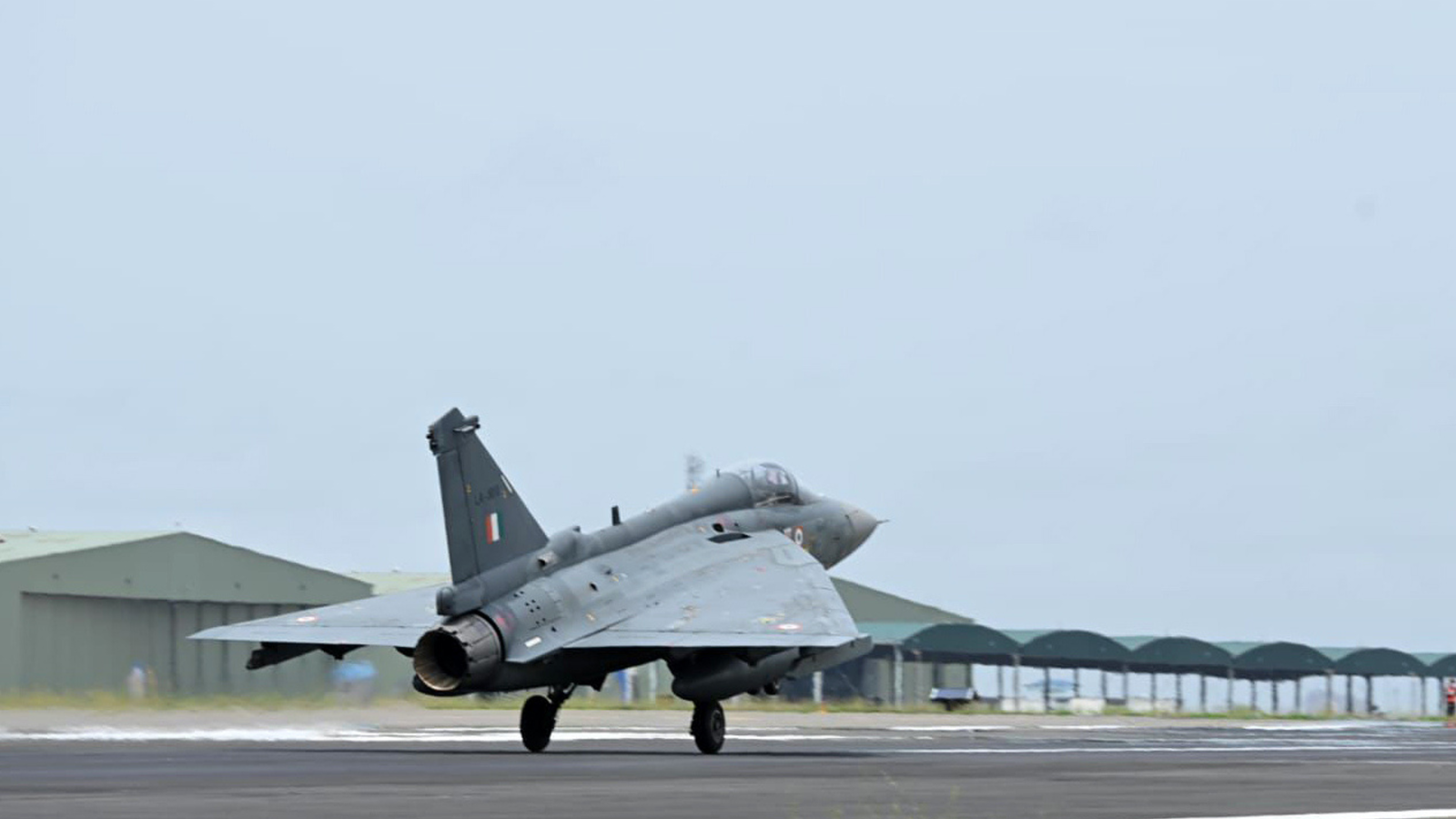 Indian Air Force fighter jet. Representative image/ANI
 An internal assessment conducted after civil defence drills on May 7, April 22 and June 30 reportedly found major gaps in the existing infrastructure.
Several air-raid warning systems were found to be non-functional, while some locations had to rely on temporary sirens during emergency exercises. According to officials, many systems were described as “vintage, old, needed review and done in a slapdash manner”.