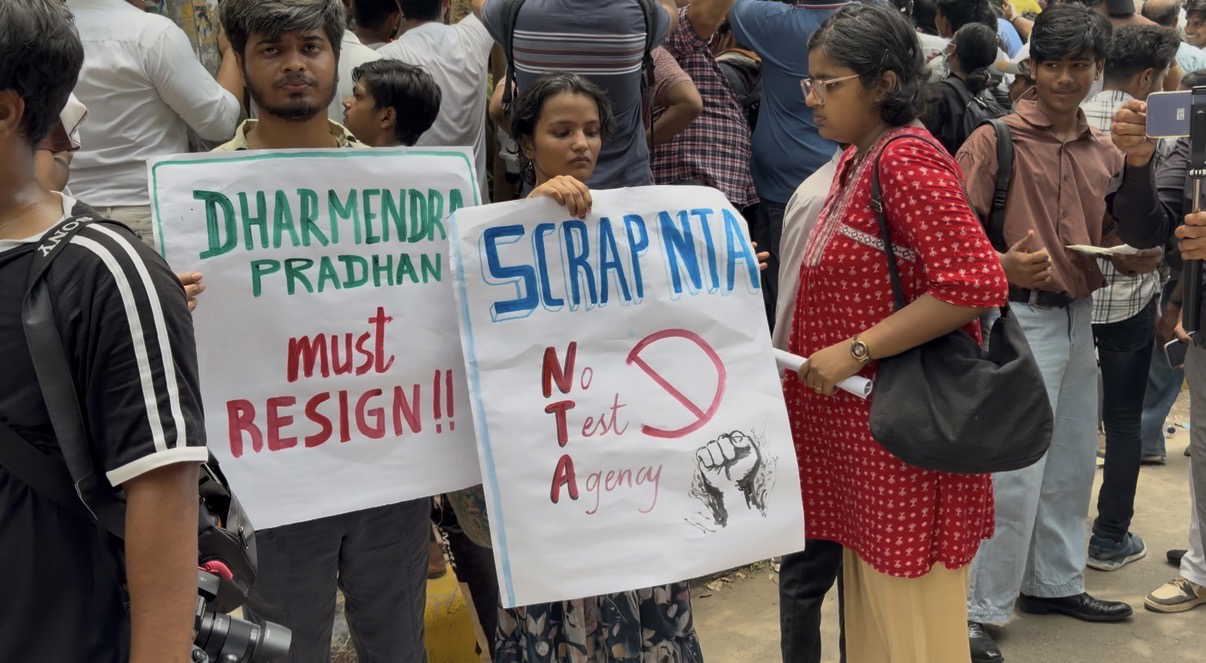
Activist Sonam Wangchuk on Sunday began an indefinite hunger strike at Delhi's Jantar Mantar, adding fresh momentum to the ongoing protest led by the Cockroach Janta Party (CJP). Soon after the fast commenced, the organisation alleged that Delhi Police had withdrawn essential facilities, including water supply and sanitation services, at the protest venue.
The allegations, made by CJP founder Abhijeet Dipke, have further escalated tensions surrounding the demonstration, which has entered its second week with demands for accountability over examination irregularities and long-pending issues concerning Ladakh.
CJP alleges basic facilities withdrawn at protest site
According to the Hindustan Times, Abhijeet Dipke claimed that water and sanitation arrangements at Jantar Mantar were discontinued shortly after Wangchuk announced his indefinite fast. Posting on social media, Dipke alleged that repeated requests to the authorities to maintain basic amenities had gone unanswered despite concerns over Wangchuk's age and health.
According to the CJP, the removal of these facilities raises serious questions about the treatment of peaceful protesters. Hindustan Times reported the allegations, although there has been no immediate official response from Delhi Police regarding the claims.
The organisation also expressed concern that additional facilities could be withdrawn if the protest continues.
Also Read | PM Modi traces India-Seychelles bond to 1770 in historic address to island nation's Parliament
Wangchuk links fast to education reforms and Ladakh demands
According to the Hindustan Times, Wangchuk had announced earlier this week that he would launch an indefinite hunger strike if the government failed to make progress on two key demands. The first relates to greater accountability and transparency in India's education system following repeated examination controversies. The second concerns constitutional safeguards, environmental protection and greater autonomy for Ladakh.
He had said the fast would be withdrawn if meaningful progress was made on either issue. With no assurance forthcoming, the activist began his protest on Sunday after paying tribute to Mahatma Gandhi at Rajghat alongside CJP members.
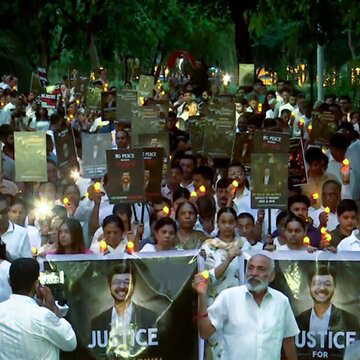
Hundreds of students, social activists, farmer representatives and supporters gathered at Jantar Mantar as the hunger strike officially commenced with a two-minute silence.
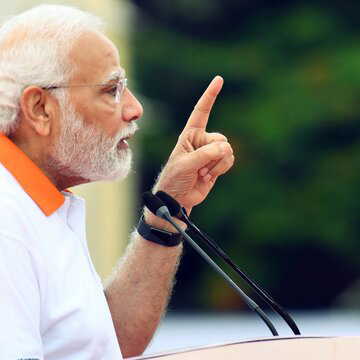
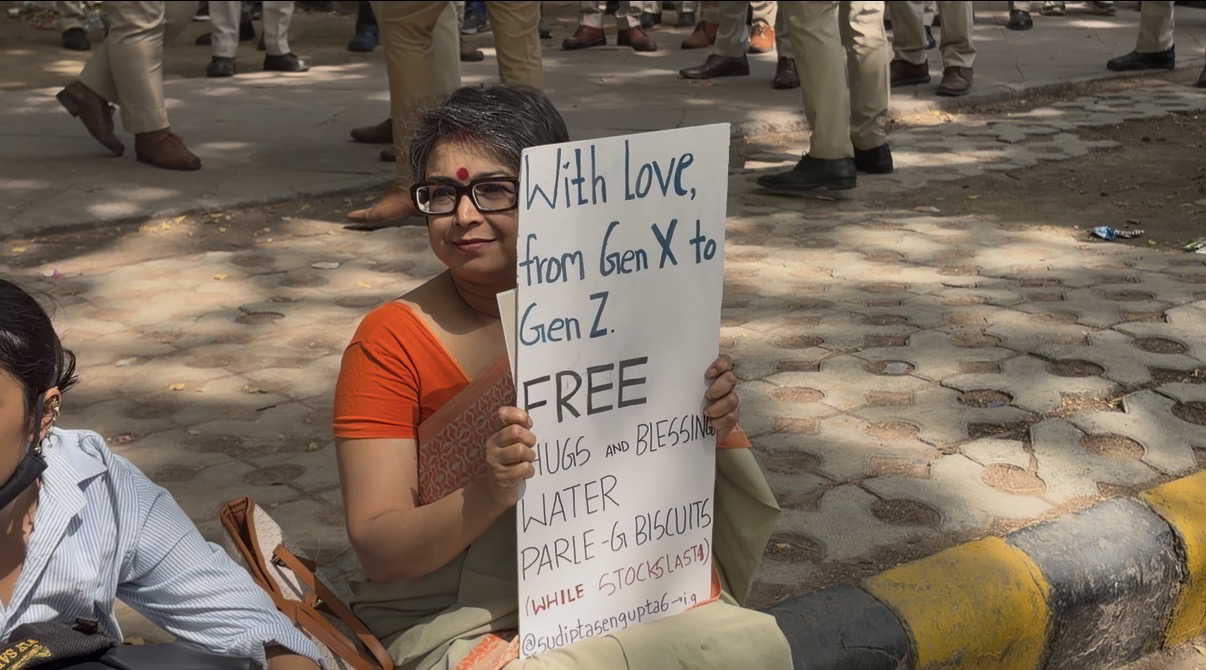 Dipke also alleged that farmer leaders from Uttar Pradesh, Haryana and Punjab had been placed under house arrest to stop them. (File Image/ Shaptadeep Saha)
 Protest expands beyond examination controversies
According to the Hindustan Times, the CJP's agitation initially focused on alleged irregularities in competitive examinations, including the NEET paper leak controversy. The organisation claims that several students lost their lives by suicide following the examination controversy and has created a memorial shrine at the protest site in their memory.
Dipke also alleged that farmer leaders from Uttar Pradesh, Haryana and Punjab had been placed under house arrest to stop them from joining the demonstration, though these claims remain independently unverified.
The protest has also drawn attention to the recent Maharashtra Teachers Eligibility Test paper leak, with CJP arguing that repeated examination scandals point to systemic failures in the country's recruitment and education processes.
Alongside demanding Union Education Minister Dharmendra Pradhan's resignation, the organisation has launched its "Pradhan Go Back" campaign, urging students, parents, teachers and civil society groups to join what it describes as a broader movement for transparency and accountability in India's education system.