Delhi has unveiled an ambitious roadmap to transform its transport ecosystem after the Cabinet approved a new Electric Vehicle Policy backed by a ₹15,000-crore investment. The policy, expected to come into force from July 1, will remain operational until March 31, 2030 and aims to significantly reduce pollution by encouraging a large-scale transition to electric mobility across the Capital.
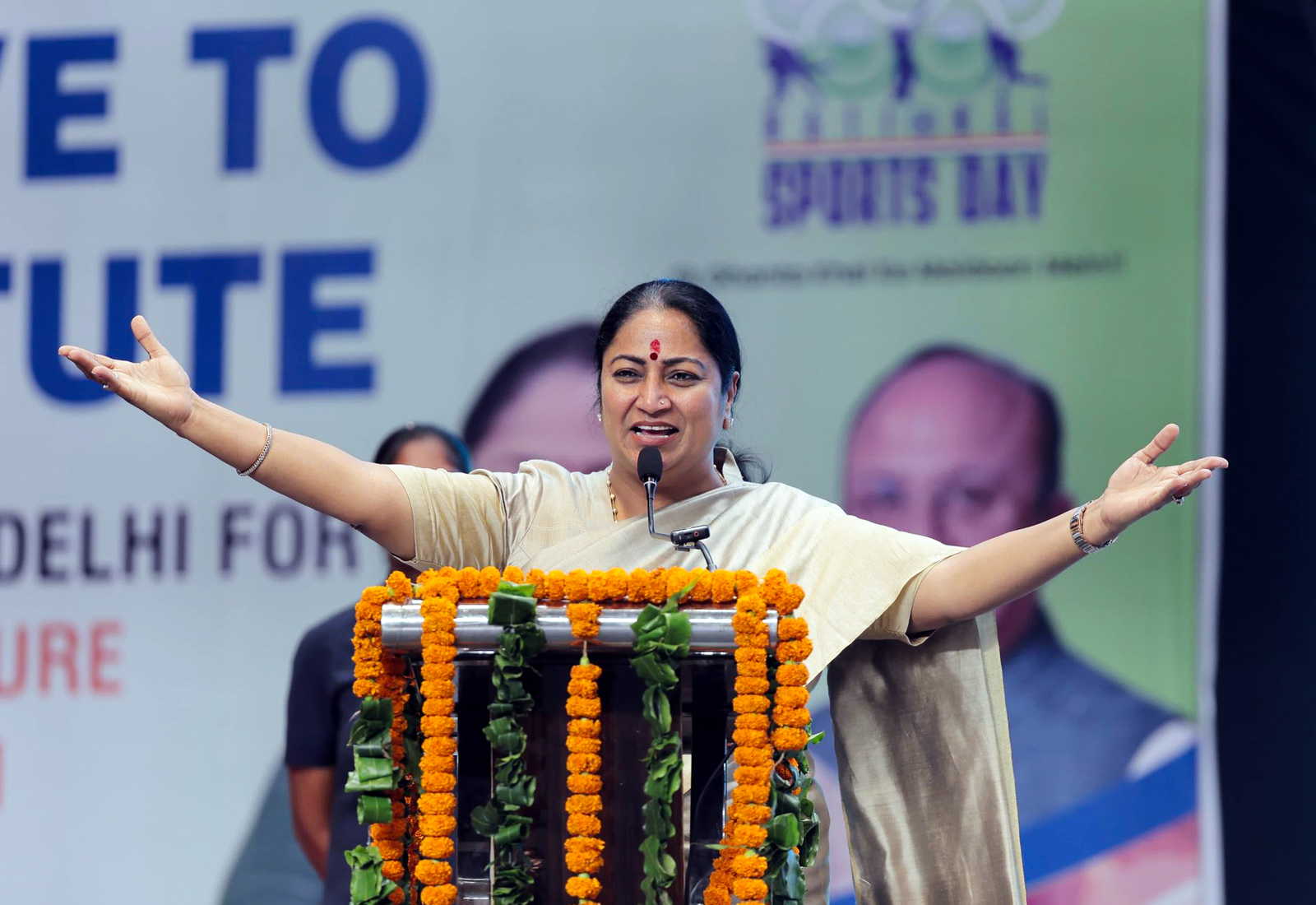
The government plans to spend the allocated funds over the next four years, with a special focus on commercial vehicles, two-wheelers and three-wheelers, which together contribute a major share of vehicular emissions in the city. Chief Minister Rekha Gupta described the policy as a major step towards making Delhi cleaner and more sustainable.
Incentives designed to speed up EV adoption
NDTV noted that the policy offers graded purchase incentives to encourage residents and businesses to switch to electric vehicles. Buyers of electric two-wheelers will receive subsidies of ₹30,000 in the first year, ₹20,000 in the second year and ₹10,000 in the third year. Electric three-wheelers will qualify for incentives ranging from ₹50,000 to ₹30,000 over the first three years.
Commercial operators purchasing N1 category electric trucks will be eligible for a subsidy of ₹1 lakh during the first year. The government has also announced scrappage incentives for owners replacing older BS-IV or lower emission standard vehicles with electric alternatives. Additional financial support has been earmarked for Gramin Seva vehicles to accelerate their transition.
Also Read | Mumbai rescue fails as stranded humpback whale calf dies on Bandra shoreline
Mandatory shift for commercial fleets
NDTV noted that the new policy introduces clear deadlines for mandatory electrification of several vehicle categories. Registration of new three-wheelers and N1 commercial trucks powered by conventional fuels will cease from January 1, 2027. New petrol-powered two-wheelers will no longer be registered from April 1, 2028.
School transport operators have also been brought under the policy framework. Institutions will be required to convert at least 10% of their school bus fleet to electric vehicles within two years of the policy's notification.
Officials said commercial goods carriers, along with two-wheelers and three-wheelers, account for a significant portion of Delhi's transport-related pollution, making them the primary targets for electrification.
Also Read | Ladakh cracks down on illegal off-roading with Rs 2 lakh penalties
Charging network and digital support
NDTV noted that to support the growing number of electric vehicles, the Delhi government plans to establish around 32,000 charging points over the next four years. The infrastructure expansion will be funded through a combination of allocations from the PM e-Drive scheme and the State government's budget.
Authorities also confirmed that hybrid vehicles will not receive subsidies under the policy. A dedicated online portal will be introduced to streamline applications for incentives and other benefits, allowing buyers and fleet operators to access government support through a single digital platform.
With financial incentives, mandatory transition timelines and extensive charging infrastructure, the government expects the policy to accelerate Delhi's move towards cleaner mobility while reducing vehicular emissions across the city.