











It is rare for the Narendra Modi government to give in to public pressure. It is even rarer for a sitting minister to resign.
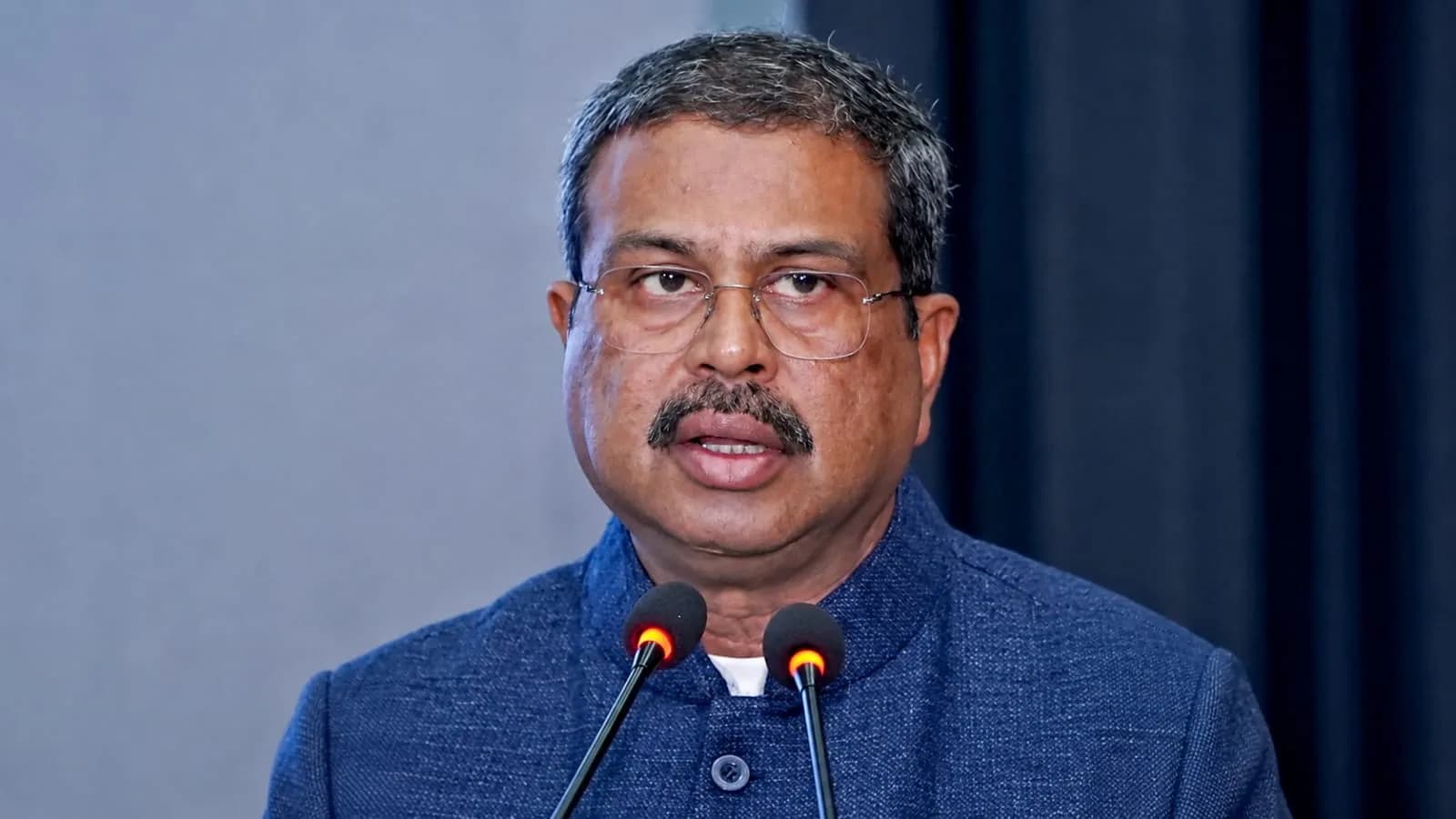
That is what makes education minister Dharmendra Pradhan’s resignation such a significant moment.
To find anything even loosely similar, you have to go back to 2018, when MJ Akbar quit his post as Union minister of state for external affairs during the height of the MeToo movement.
Why Pradhan resigned
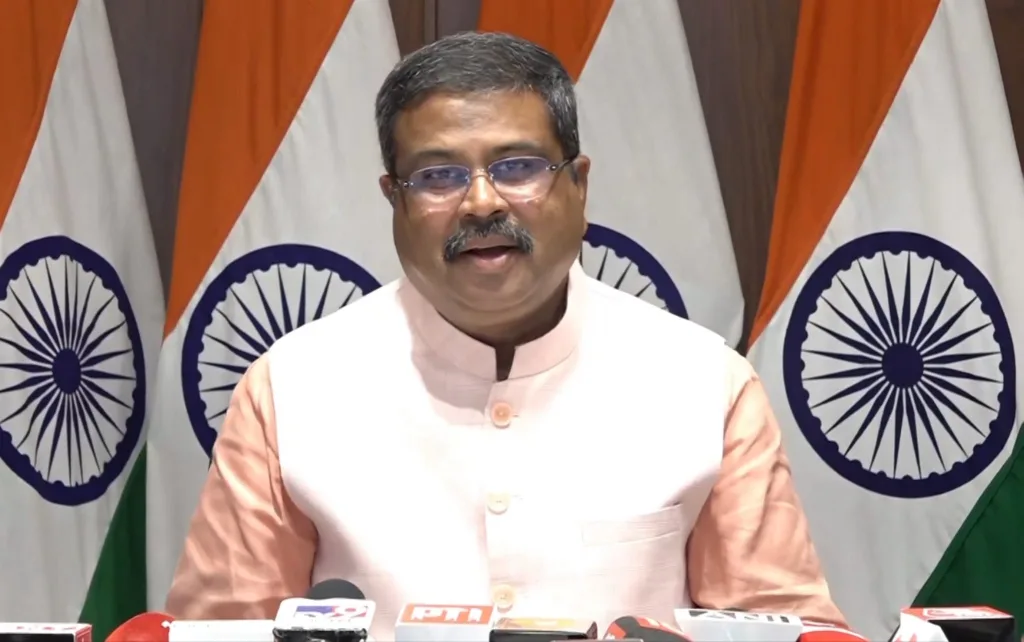
Pradhan stepped down on Saturday, a big win for the protests led by the Cockroach Janta Party against the alleged paper leak scandal.
The protesters had made it clear they would not back down until he resigned, even though the government had already agreed to their other demands, such as compensating the families of students who took their own lives after the NEET paper leak, and dropping legal action against those who had marched to Parliament earlier that week.
The CJP had also said a third round of talks with the government would happen only after Pradhan’s resignation. The resignation letter arrived just hours before those talks were due to take place, and the talks went ahead soon after.
Pradhan said he took full responsibility for the NEET paper leak and had “never turned away from the situation,” though he claimed some people in positions of responsibility had tried to “create obstacles and mislead students.”
— Dharmendra Pradhan (@dpradhanbjp) July 25, 2026
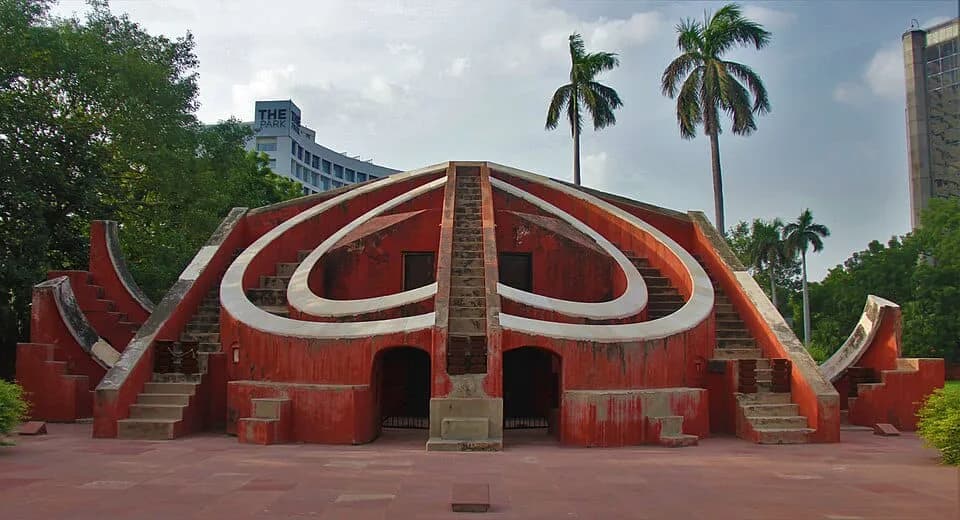
In his resignation letter, posted on X, the 57 year old wrote, “Considering the situation at Jantar Mantar and across the country-with the aim of preventing anti-national forces from exploiting it, preserving national unity, ensuring that not a single Indian student’s future gets entangled in legal complexities, and allowing our children to devote their time to studies and focus on building their careers – I have submitted my resignation to the Honourable Prime Minister.”
A rare occurrence since 2014
The opposition has long accused the Modi government of being arrogant, claiming ministers rarely quit no matter how serious the controversy. They say this pattern began when Modi took charge in 2014.
Back in 2015, Rajnath Singh gave the opposition plenty of ammunition for this argument when he said, “This is the NDA government. Resignations don’t happen here.” For the most part, that statement has held true. Mostly.
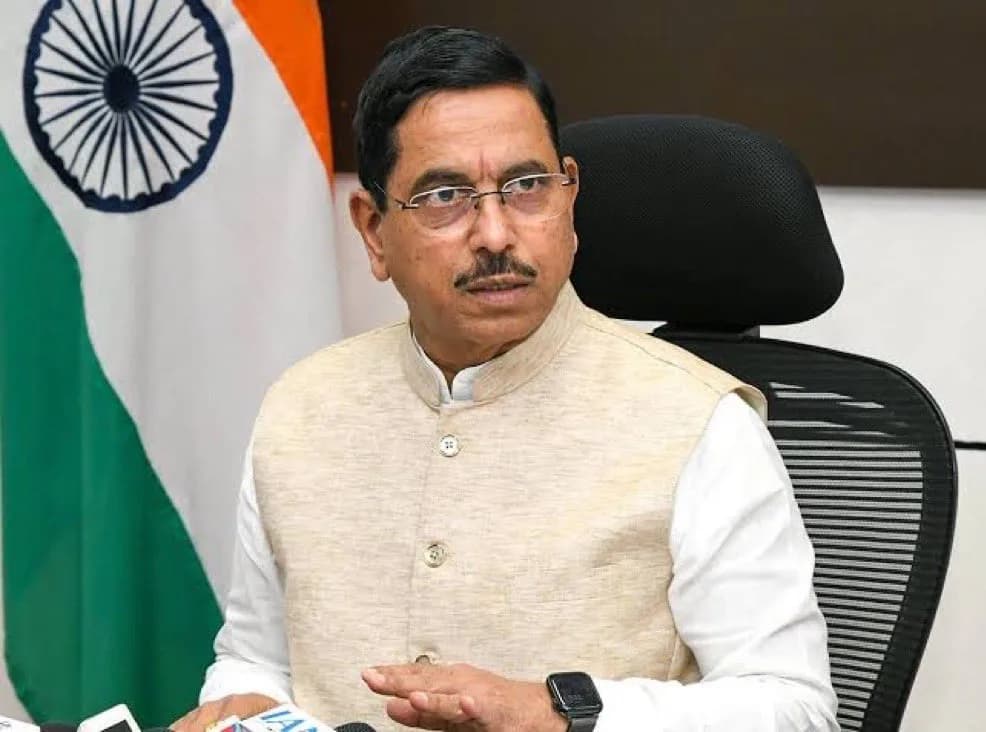
Also Read | Pralhad Joshi gets education ministry after President accepts Dharmendra Pradhan’s resignation
The only real precedent came in 2018, with MJ Akbar’s resignation, though the circumstances were quite different.
Akbar, who had held the post of minister of state for external affairs since 2016, faced sexual harassment allegations from several women during the growing MeToo movement in India.
Many of these women had worked with him or crossed paths with him during his years as editor of various major newspapers. Protests against him did take place, but they were nowhere near as large or intense as those seen against Pradhan.
At the time, several reports suggested the decision to resign was Akbar’s own, and that he intended to stay within the BJP. Party leaders were quoted saying, “This will not set a precedent.”
Akbar himself said he was resigning so he could fight the accusations “in a court of law in my personal capacity” and “challenge false accusations.”
Ministers who stayed put despite pressure to quit
Not everyone has followed this path. Ajay Kumar Mishra Teni, minister of state for home, faced repeated calls to resign after an SUV registered under his name ran over farmers and a journalist in Lakhimpur Kheri, Uttar Pradesh, in 2021.
His son was accused of driving the vehicle. Teni stayed in his post until he lost his Lok Sabha seat in the 2024 general election.
Also Read | Who is Pralhad Joshi? What’s the new Education Minister’s net worth
Earlier, in August 2017, railway minister Suresh Prabhu offered to resign following two train derailments within five days.
He tweeted that he had met PM Modi to take “full moral responsibility” for the accidents. Modi asked him to hold off, and instead of resigning, Prabhu was shifted from the railways portfolio to commerce and industry during a cabinet reshuffle just days later.
FAQs
1: Who is Dharmendra Pradhan?
He was the Union education minister in the Narendra Modi government until his resignation on Saturday.
2: Why did he resign?
He stepped down amid protests led by the Cockroach Janta Party over alleged NEET paper leaks, taking responsibility for the situation while saying some officials had tried to mislead students.
