The National Testing Agency is leaving nothing to chance as it prepares to conduct the NEET-UG 2026 re-examination on June 21.
After allegations of a paper leak led to widespread outrage and forced authorities to scrap the original examination, the Centre has now implemented one of the most extensive security operations ever seen for a competitive exam in India.
From temporarily suspending Telegram to involving the Indian Air Force, the government is deploying extraordinary resources to protect the integrity of the exam.
The re-examination will take place across 551 cities in India and 14 international centres in a single shift from 2 pm to 5.15 pm.
Telegram blocked and paper setters placed under isolation
Perhaps the most striking decision has been the temporary suspension of Telegram across India until June 22.
According to the Hindustan Times, authorities said organised cheating networks had allegedly been using the platform to coordinate fraudulent activities and target candidates appearing for the NEET re-examination.
The government said the move was necessary to maintain public order and prevent digital exploitation of the examination process.
At the same time, those responsible for creating the question papers have been placed under complete isolation.
Paper setters, moderators and translators have reportedly been housed at undisclosed secure locations without access to mobile phones, laptops or internet services. External communication has been entirely restricted until the completion of the examination.
Also Read | Noida International Airport starts cargo services with first domestic flight
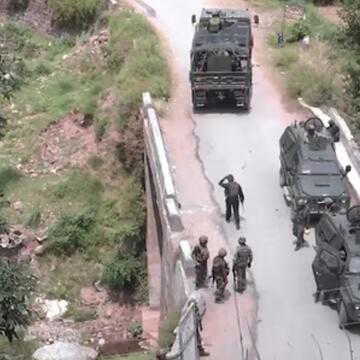
Indian Air Force and central forces deployed
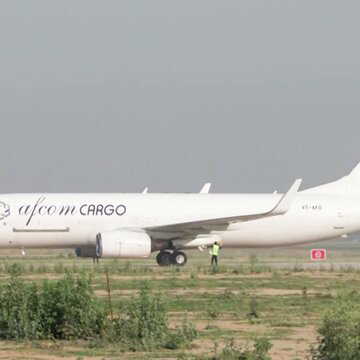
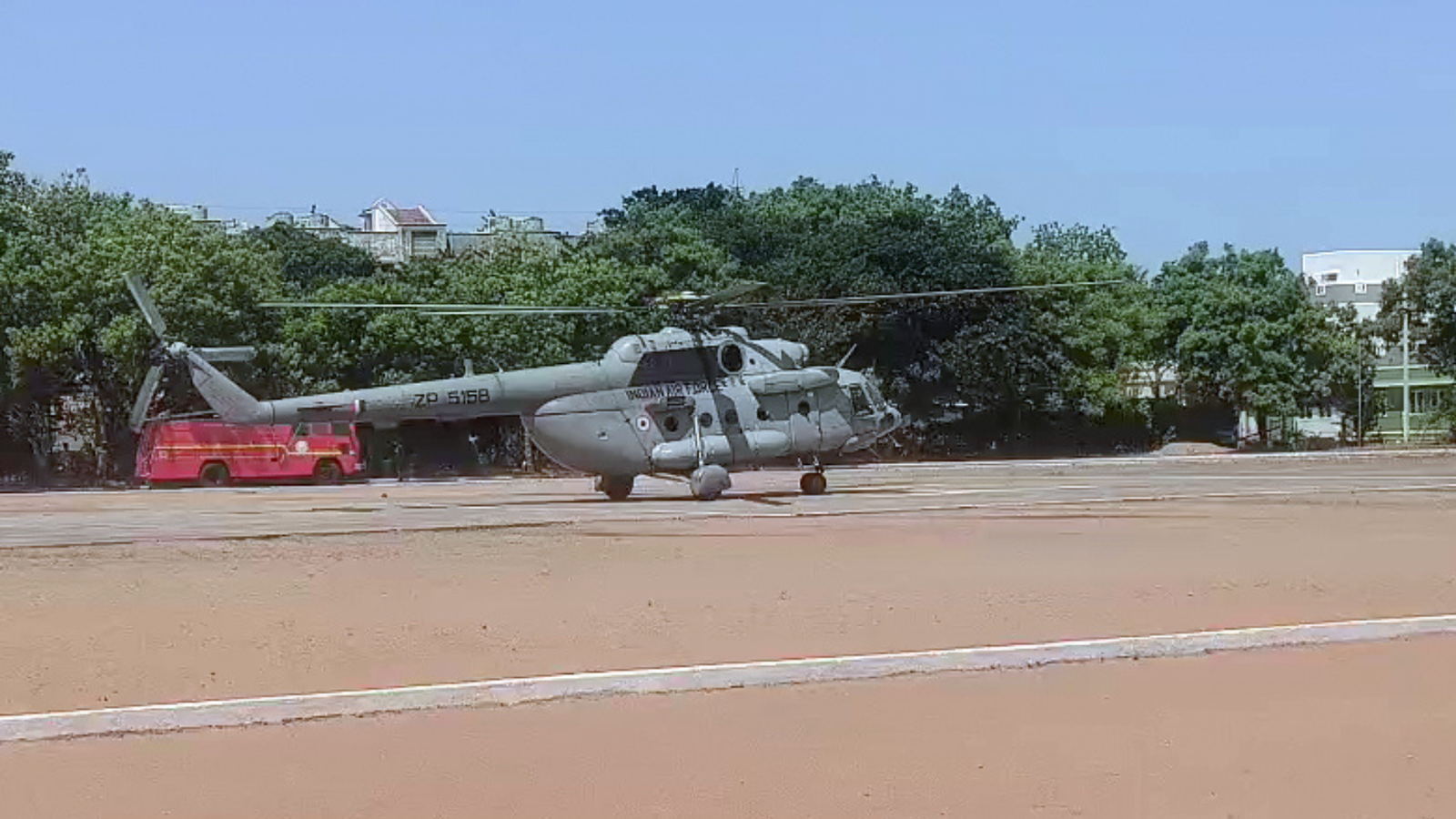
For the first time in NEET's history, the Indian Air Force has been tasked with transporting question papers.
The decision reflects the heightened sensitivity surrounding this year's examination.
Hindustan Times mentioned that after leaving the origin hubs in Hyderabad and Ahmedabad, question papers will be escorted by state police and guarded by CISF and CRPF personnel throughout their journey.
The deployment will extend all the way to examination centres across the country.
Authorities have also implemented a multi-layer monitoring system involving continuous review meetings and large-scale security deployment.
Reports indicate that more than five lakh security personnel will be involved in the overall process.
Also Read | Monsoon advances across India: Delhi may get more rain, Mumbai under yellow alert
Technology becomes the new line of defence
The NTA is also relying heavily on technology to close loopholes.
Hindustan Times noted that examination centres are being equipped with biometric attendance systems, facial recognition technology and real-time CCTV monitoring.
Candidate verification procedures have been strengthened significantly.
Admit cards, identity documents and frisking procedures will undergo stricter scrutiny than in previous years.
Officials say every stage of the examination cycle will be monitored continuously to identify potential vulnerabilities before they can be exploited.
NTA warns against rumours ahead of exam day
Authorities have repeatedly urged students not to believe social media claims regarding leaked question papers.
The agency has maintained that nobody can access the examination papers before the test begins.
It has also warned that legal action will be taken against individuals involved in spreading misinformation or attempting fraud.
The security measures reflect more than just administrative preparedness. They represent an attempt to rebuild trust after one of the biggest crises faced by India's examination system in recent years.
For millions of students, the success of June 21 will determine whether confidence in the country's most important medical entrance examination can finally be restored.