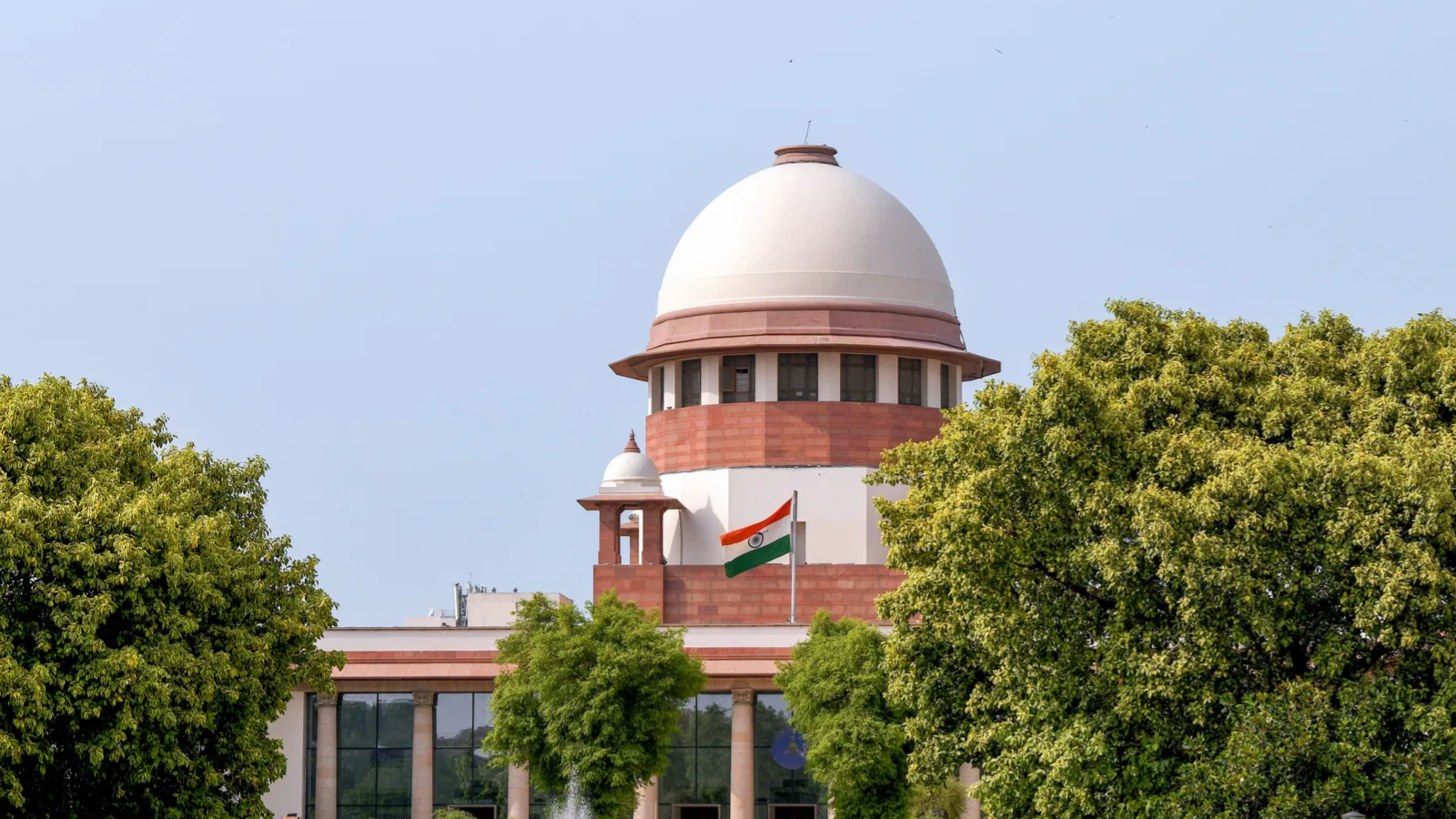
The Supreme Court of India, in a move towards cutting fuel use amid rising energy concerns, has announced a series of temporary measures, including mandatory virtual hearings on select days and work-from-home options for staff.
The decision follows a full court meeting led by Chief Justice of India Surya Kant on Friday morning, as the country grapples with the impact of surging crude oil prices linked to the ongoing West Asia conflict.
Virtual hearings on key days
As per a circular issued by Secretary General Bharat Parashar, all cases listed on “miscellaneous days” such as Mondays and Fridays, along with matters scheduled during partial working days, “shall be heard by video-conferencing only.”
The court administration has been directed to ensure the seamless functioning of these hearings. The circular noted that technical teams must provide stable video-conferencing facilities and prompt assistance “to avoid any inconvenience to the Hon’ble Court.”
Also Read | Supreme Court overturns Delhi HC relief to Kuldeep Sengar in Unnao rape case
Judges opt for carpooling
Alongside the shift to virtual proceedings, judges of the apex court have taken a collective decision to reduce fuel usage in their daily commute. The circular stated that they have “unanimously resolved to encourage car-pooling arrangements amongst themselves” to ensure “optimum utilisation of fuel.”
The court has also allowed up to 50 per cent of registry staff in each section to work remotely for up to two days a week. Registrars have been tasked with preparing weekly rosters to maintain smooth administrative operations.
At the same time, the circular makes it clear that employees working from home must stay accessible by phone and be ready to report to the office if needed. Registrars have also been given authority to revise or withdraw these arrangements if they affect essential work.
Also Read | Karnataka brings hijab back to classrooms, scraps 2022 uniform crackdown
Part of a wider energy conservation push
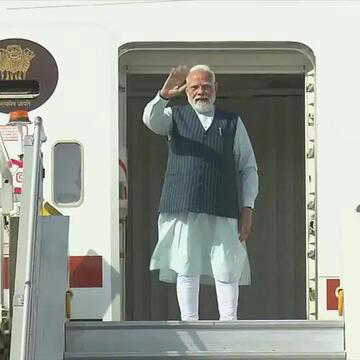
The Supreme Court’s move reflects a broader push by the Centre to reduce fuel consumption. Earlier this week, Prime Minister Narendra Modi urged citizens to cut petrol and diesel use, rely more on public transport, and adopt carpooling and remote work wherever possible.
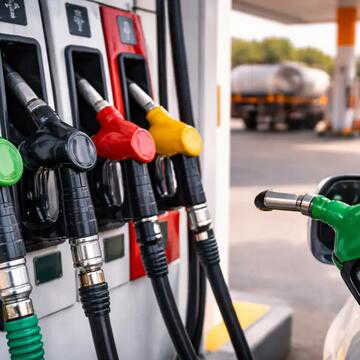
The backdrop is a sharp increase in global oil prices. On Friday, India raised petrol and diesel prices by ₹3 per litre, the first such hike in four years.
The Reserve Bank of India has already flagged risks from a prolonged West Asia conflict. Governor Sanjay Malhotra recently said that if the situation “continues for a longer period, it is only a matter of time before the government passes on some of the price increases.”
With India importing over 80 per cent of its crude oil, the country remains highly exposed to global supply disruptions, reflected in a widening trade deficit driven by rising import costs.