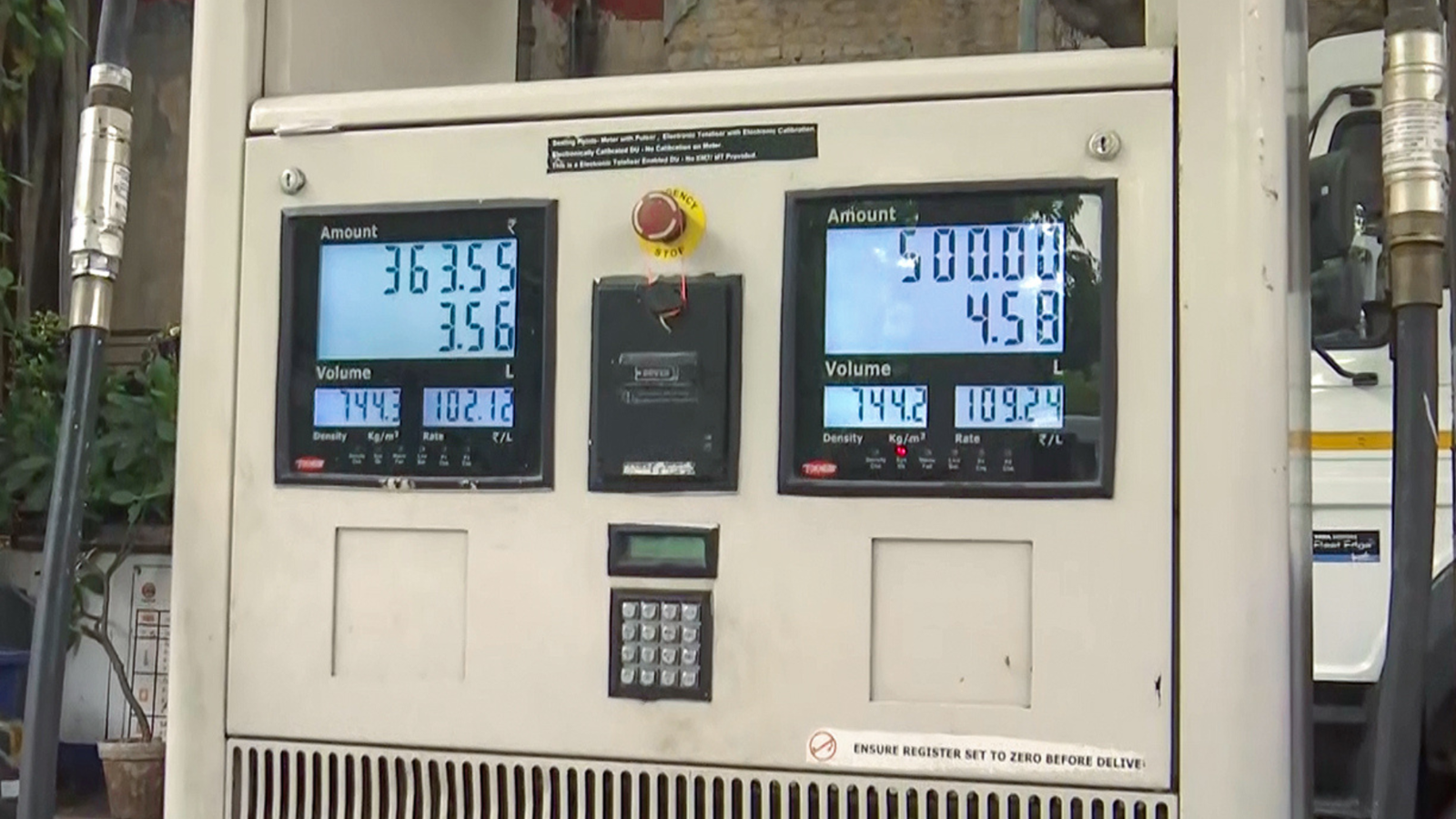
India has seen a sharp rise in petrol and diesel prices, with four increases in less than two weeks. State-run oil marketing companies raised petrol prices by ₹2.61 per litre and diesel by ₹2.71 on Monday. Since May 15, prices have gone up by around ₹7.35 and ₹7.53 per litre, respectively. In Delhi, petrol now costs ₹102.12 per litre, crossing the ₹100 mark for the first time in four years, while diesel stands at ₹95.20.
As per a report by Hindustan Times, experts warn that the cycle may not be over yet, as global oil markets remain unsettled due to the ongoing US-Iran conflict.
Strait of Hormuz Disruption drives costs
A key factor behind the surge is the disruption in oil shipments through the Strait of Hormuz, a critical global energy corridor. Nearly 20 per cent of the world’s crude oil and liquefied natural gas passes through this route.
Also Read | Petrol, diesel hiked again: Delhi petrol crosses ₹100 after 4th rise in 10 days
Tensions in West Asia following the US-Iran conflict have affected commercial movement in the region. This has raised concerns about supply shortages and pushed global crude prices higher. Since India imports over 85 per cent of its crude oil, such disruptions directly impact domestic fuel prices.
Why are more hikes likely?
According to Hindustan Times report, industry experts say that the oil companies are still trying to recover losses. During the early phase of the conflict and election season, prices were not revised despite rising costs, leading to under-recoveries.
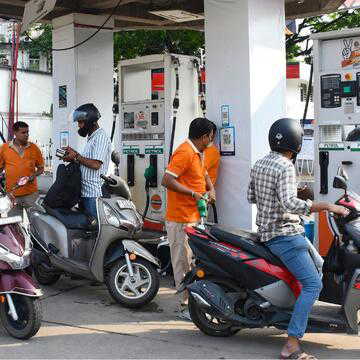
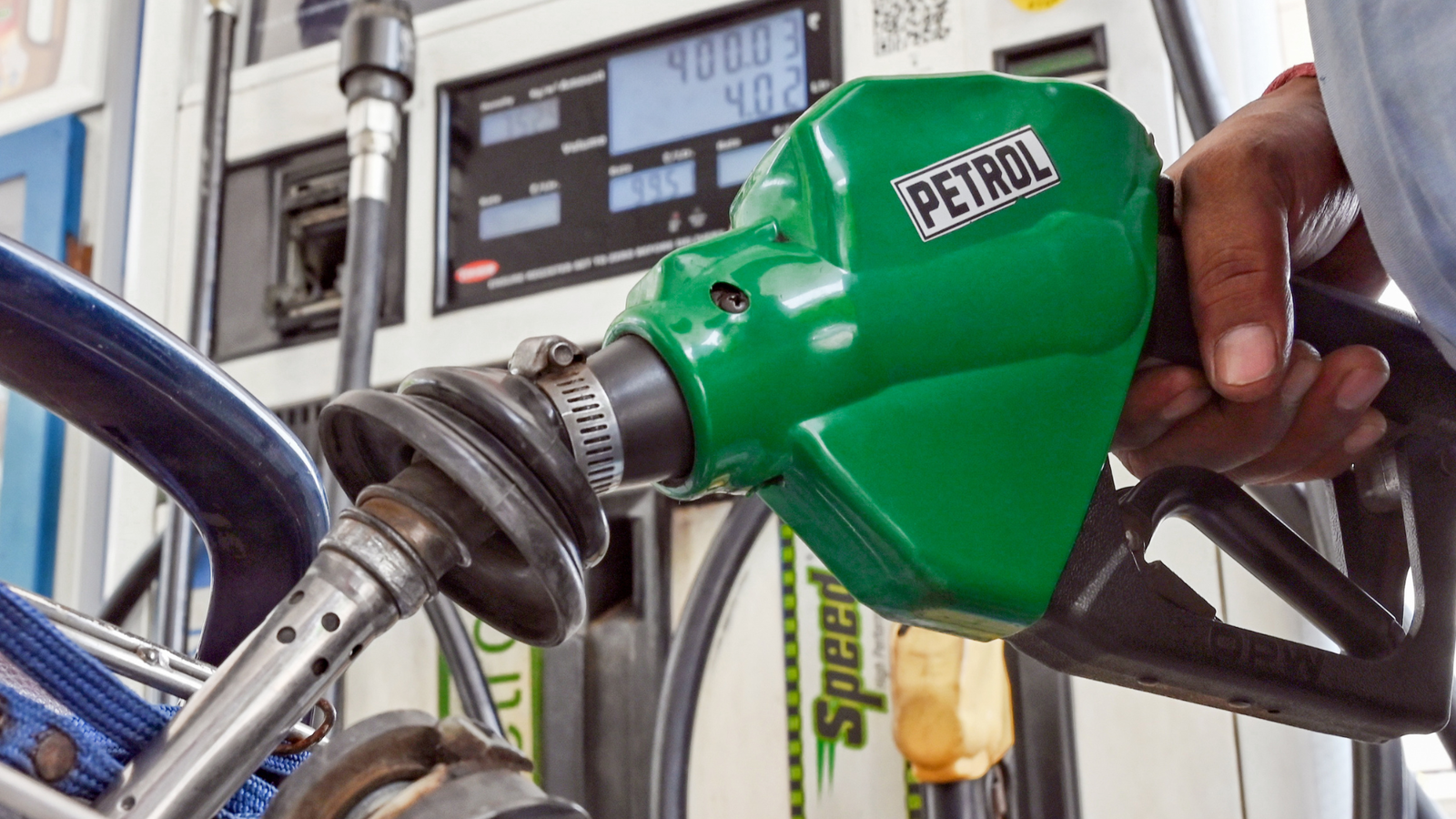 (Representational Image) Petrol crosses ₹100, more hikes may still be ahead /ANI
 Brent crude had surged from $72.87 per barrel in late February to nearly $120 in March. Although prices have eased slightly, they remain high enough to keep pressure on retailers. Analysts believe another price increase is possible unless crude stabilises well below $100 per barrel for a sustained period.
Government signals tough choices
The government has already hinted at the possibility of price adjustments. Petroleum Minister Hardeep Singh Puri said, “at some stage the government has to take a view” on fuel pricing.
Prime Minister Narendra Modi urged citizens to conserve fuel and reduce unnecessary expenditure. The message was seen as a sign of prolonged economic and energy challenges ahead.
Also Read | Petrol crosses ₹100 in Delhi after fresh hike: Check latest fuel rates in your city
Talks offer hope but uncertainty continues
Diplomatic efforts between the US and Iran have brought some relief to markets. Reports suggest ongoing discussions around a ceasefire and reopening of the Strait of Hormuz. Donald Trump claimed a framework is “largely negotiated”, though Iran has downplayed these statements.
However, restrictions around the strait remain in place. Even if an agreement is reached, experts caution that normal supply flows may take time to resume.
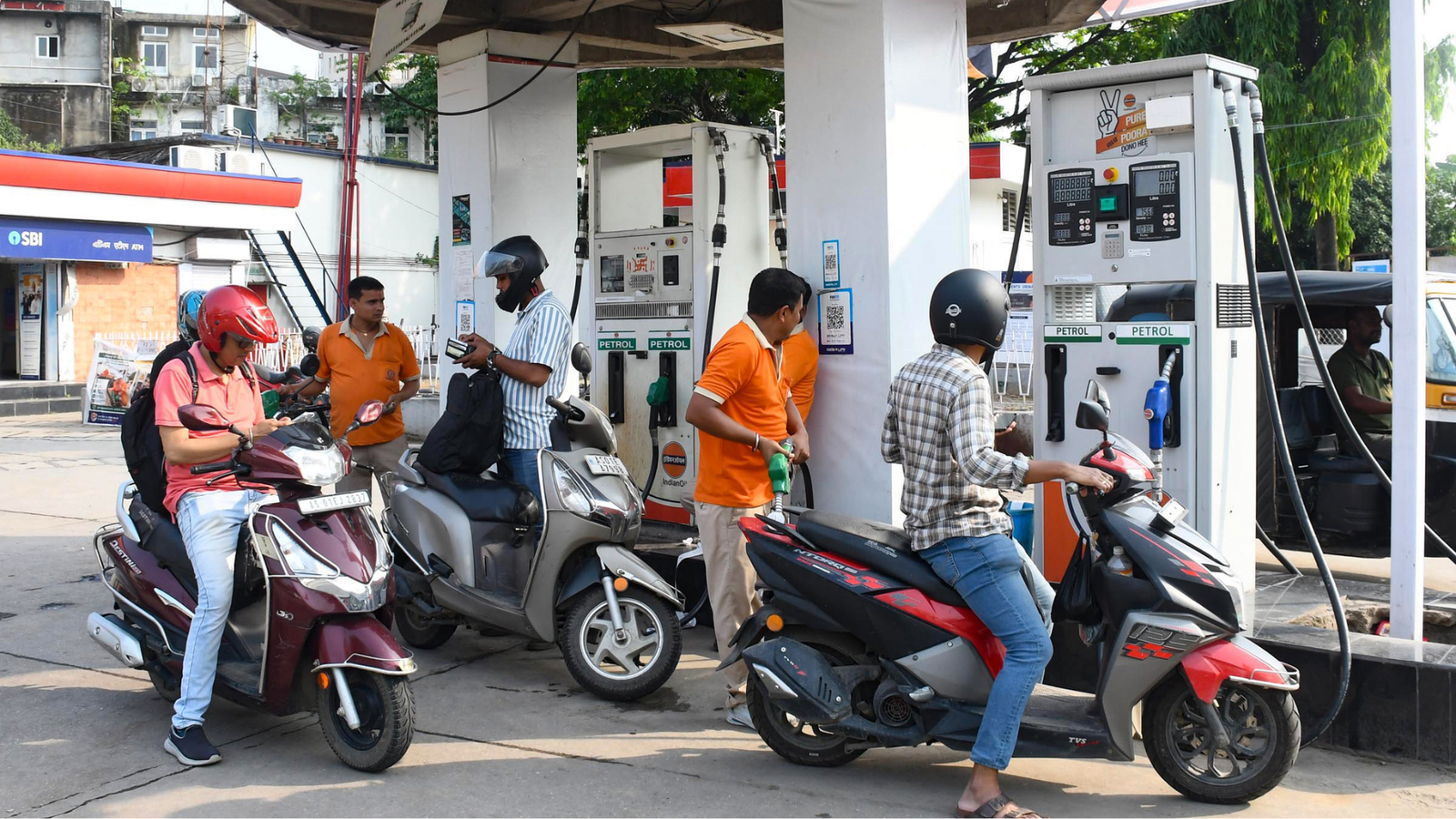 (Representational Image) Oil shock continues, pressure builds on fuel prices in India /ANI
 Profit debate adds to pressure
The price hikes have also triggered criticism, as Indian Oil Corporation, Bharat Petroleum, and Hindustan Petroleum reported combined profits of over ₹77,000 crore in 2025-26.
Company officials argue that current prices still do not fully reflect the rise in global crude and transport costs.
For now, the trajectory of fuel prices in India depends heavily on how quickly geopolitical tensions ease and whether oil supply routes stabilise.