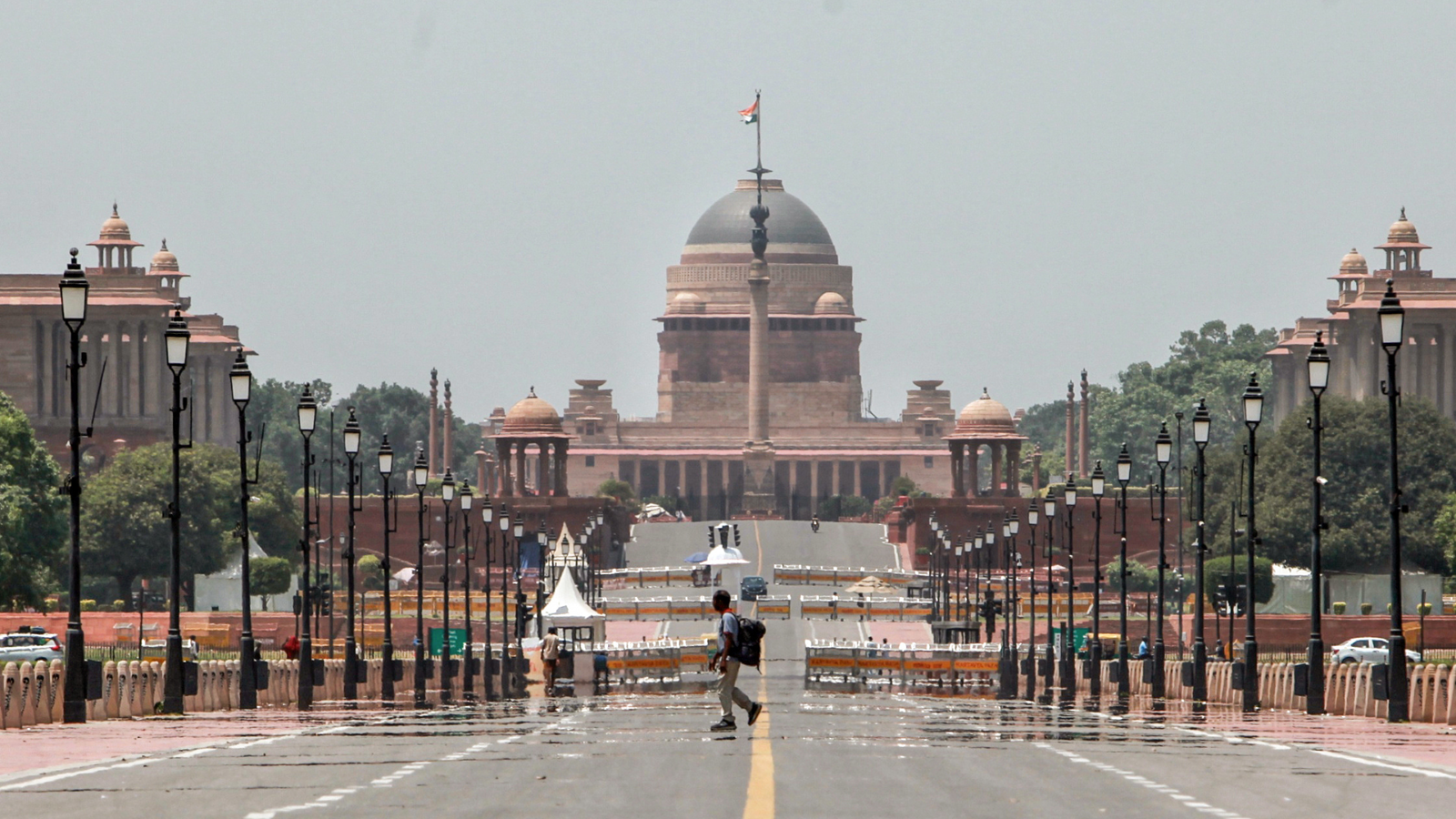
Heatwave conditions are expected to continue till May 22 in several states, including Rajasthan, Uttar Pradesh, Madhya Pradesh, Punjab, Haryana, Chandigarh, Delhi, Chhattisgarh, and parts of Konkan and Goa, per a report by NDTV.
As temperatures continue to rise sharply, many people across India are likely to face extreme summer heat in the coming days. The India Meteorological Department (IMD) has warned that a severe heatwave is affecting large parts of the country, with Delhi and North India expected to experience very uncomfortable weather conditions.
What is a heatwave?
According to the India Meteorological Department (IMD), a heatwave is declared when temperatures become much higher than normal in a particular region. In plains areas like Delhi, this usually means the maximum temperature reaches 40 degree Celsius or more and stays 4.5 to 6.4 degree Celsius above normal. A severe heatwave is declared when the temperature rises more than 6.4 degree Celsius above normal or touches 45 degree Celsius or more.
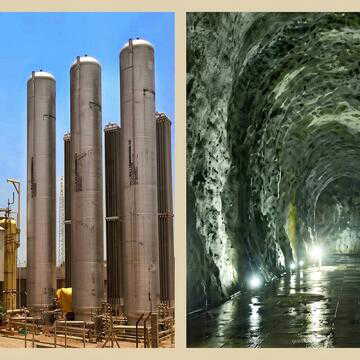
Also Read | Where does India store its strategic oil reserves? Here are 4 underground caverns
These are not just normal hot days but dangerous weather conditions that can affect people’s health seriously. Children, elderly people, and outdoor workers are especially at risk during severe heatwaves.
Delhi likely to see sharper rise in temperature
As per NDTV reports, heatwave conditions are expected to continue till May 22 across Rajasthan, Uttar Pradesh, Madhya Pradesh, Punjab, Haryana, Chandigarh, Delhi, Chhattisgarh, and parts of Konkan and Goa.
In Delhi, temperatures are expected to rise by 2-3 degrees over the next three days. On Sunday, the city may see partly cloudy skies with chances of thunderstorms later, along with strong winds of 20-30 kmph and gusts up to 40 kmph. The maximum temperature may reach around 44 degrees Celsius. After that, clear skies could push temperatures even higher next week, possibly up to 45 degree Celsius, with hot nights giving very little relief.
Across North and Central India, temperatures are rising quickly, making the weather extremely harsh. Western Himalayan regions are also expected to see a rise of around 3-4 degree Celsius. This is not just uncomfortable summer weather but can become dangerous. Such extreme heat can cause serious health problems and may even become life-threatening if people are exposed for too long without protection.
Relief expected in some regions
While North India faces intense heat, parts of Northeast and South India are likely to receive rainfall and thunderstorms. States including Assam, Arunachal Pradesh, Nagaland, Manipur, Mizoram, Tripura, Kerala, Tamil Nadu, and Andhra Pradesh may witness moderate rainfall, lightning, and gusty winds.
As per NDTV reports, some isolated light rain is also expected in Uttarakhand, Jammu and Kashmir, Madhya Pradesh, Jharkhand, and Chhattisgarh. While the northern parts of India continue to experience extreme heat, the Northeast and several southern regions are expected to see different weather conditions.
States such as Assam, Arunachal Pradesh, Nagaland, Manipur, Mizoram, and Tripura, along with parts of Kerala, Tamil Nadu, and Andhra Pradesh, are likely to witness thunderstorms, lightning, strong winds of 40–50 kmph, and moderate rainfall. Isolated light rain is also expected in areas like Uttarakhand, Jammu and Kashmir, Madhya Pradesh, Jharkhand, and Chhattisgarh.
Also Read | Starbucks plans first India corporate office amid tech expansion push
Health risks and safety measures
People have been advised not to take the heatwave lightly, as long exposure to extreme heat can cause serious health problems like heat exhaustion and heatstroke. To stay safe, experts suggest avoiding going out between 12 noon and 4 pm, drinking enough water even if you are not thirsty, and wearing light cotton clothes.
People are also advised to use umbrellas or caps while going outdoors. It is also important to take care of vulnerable people such as elderly neighbours, children, and outdoor workers during this period of extreme heat.