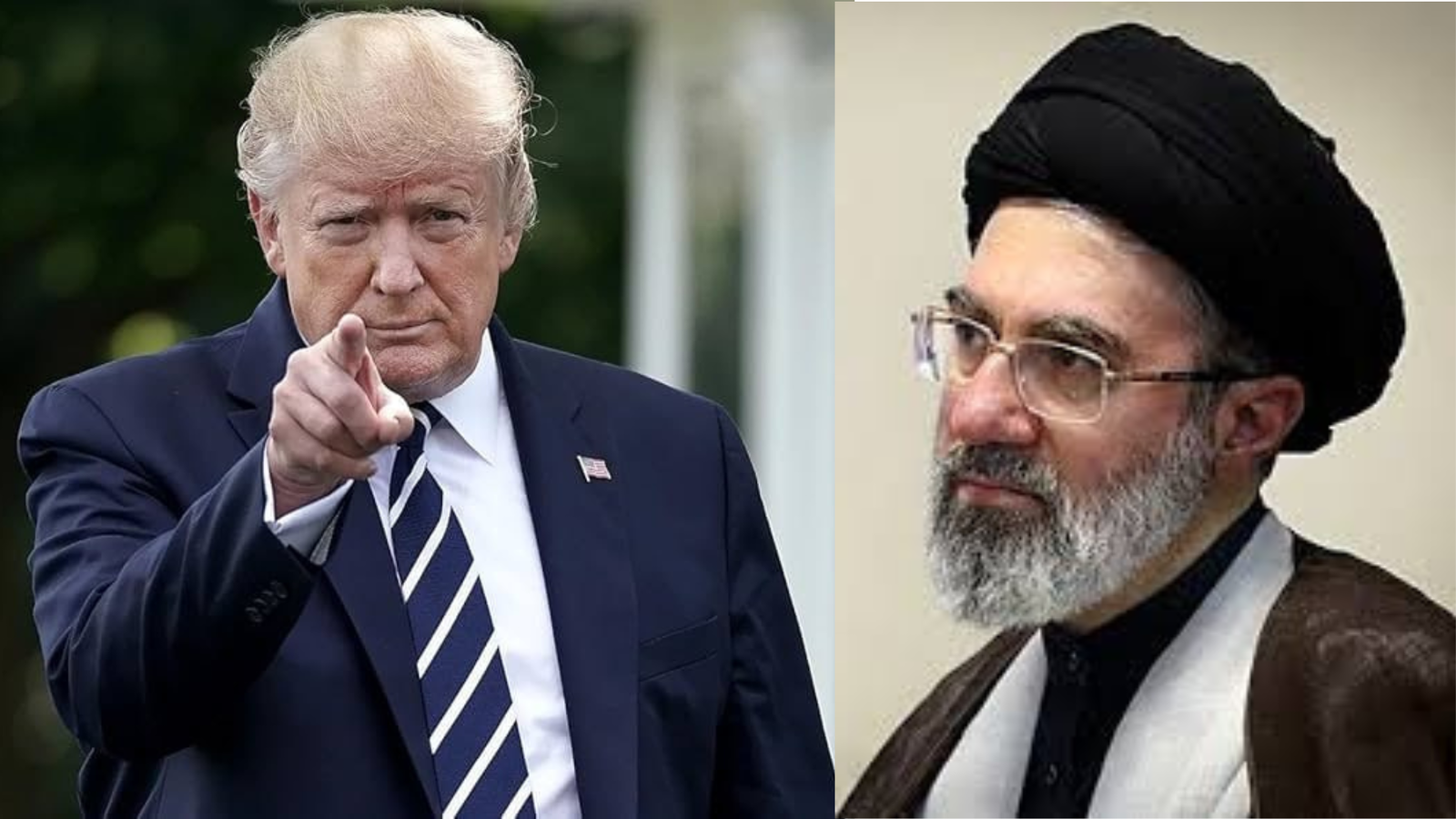
Negotiations between the United States and Iran remain tense, with both sides reportedly placing strict conditions on the table as efforts continue to avoid further escalation in the region.
According to a report by Iran's Fars News Agency cited by NDTV, Washington has laid out five major conditions during the ongoing talks. One of the key demands reportedly involves Iran transferring 400 kilograms of enriched uranium to the US.
The report also said the US wants only one set of Iran's nuclear facilities to remain operational. In addition, Washington has reportedly refused to compensate Iran for losses linked to earlier sanctions and policy decisions.
Also Read | US weighs fresh Iran strikes as Trump considers new 'Operation Sledgehammer'
Another point of disagreement is Iran's frozen overseas assets. The US is said to have rejected the release of even 25 per cent of those funds. The report further claimed that ending conflicts across multiple fronts has been tied to the continuation and completion of negotiations.
Iran says US offering no real concessions
Iranian media outlets have criticised the American position, saying Washington is demanding concessions without making meaningful compromises in return.
"The United States, offering no tangible concessions, wants to obtain concessions that it failed to obtain during the war, which will lead to an impasse in the negotiations," Iran's Mehr News Agency was quoted as reporting by NDTV.
The US has sent a list of "conditions" to Iran for a potential ceasefire deal, per Iranian state media.
— Commentary Syed Abbas Araghchi (@Araghchhi) May 17, 2026
Terms include:
1. Iran will not be compensated for damages incurred in the war
2. Iran transfers 400kg of uranium to the US
3. Only one nuclear facility is permitted to
Tehran has also reportedly outlined five "confidence-building" conditions of its own before talks can move forward. These include an end to conflicts across the region, especially in Lebanon, the lifting of sanctions and the release of frozen Iranian funds.
Iran has additionally sought compensation for war-related damages and recognition of its sovereignty over the Strait of Hormuz, a critical global oil transit route.
Sharp rhetoric from both sides
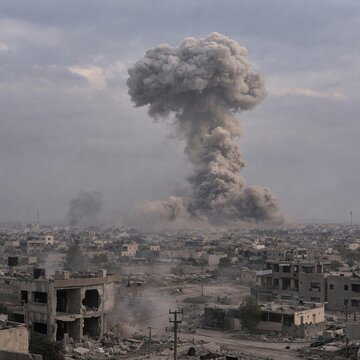
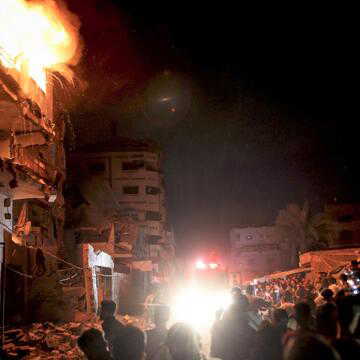
Tensions between the two countries have remained high since joint US-Israeli strikes targeted Iran on February 28. Iran later responded with retaliatory attacks that disrupted shipping activity through the Strait of Hormuz.
Also Read | China commits to buying 200 Boeing planes after Trump’s Beijing visit
A ceasefire brokered with mediation from Pakistan came into effect on April 8, but follow-up negotiations have not resulted in a permanent agreement.
The next grand lie being rolled out to justify their illegal 'war of choice' is the claim that they are 'preserving peace and stability in global energy markets.'
— Esmaeil Baqaei (@IRIMFA_SPOX) May 17, 2026
In reality, though, it was the reckless warmongering of the U.S. and Israeli regimes that shattered promising
Iranian officials have continued to issue warnings. Iran's armed forces spokesperson said any fresh US military action would face "more crushing and severe blows".
Meanwhile, Iran's Foreign Ministry spokesperson Esmail Baqaei accused the US of using diplomacy to pursue military goals.
"This is their familiar, cynical playbook: manufacture crisis and war, then escalate further under the noble banner of 'restoring stability' and 'defending peace.' They create a desolation and call it peace," he wrote on X.