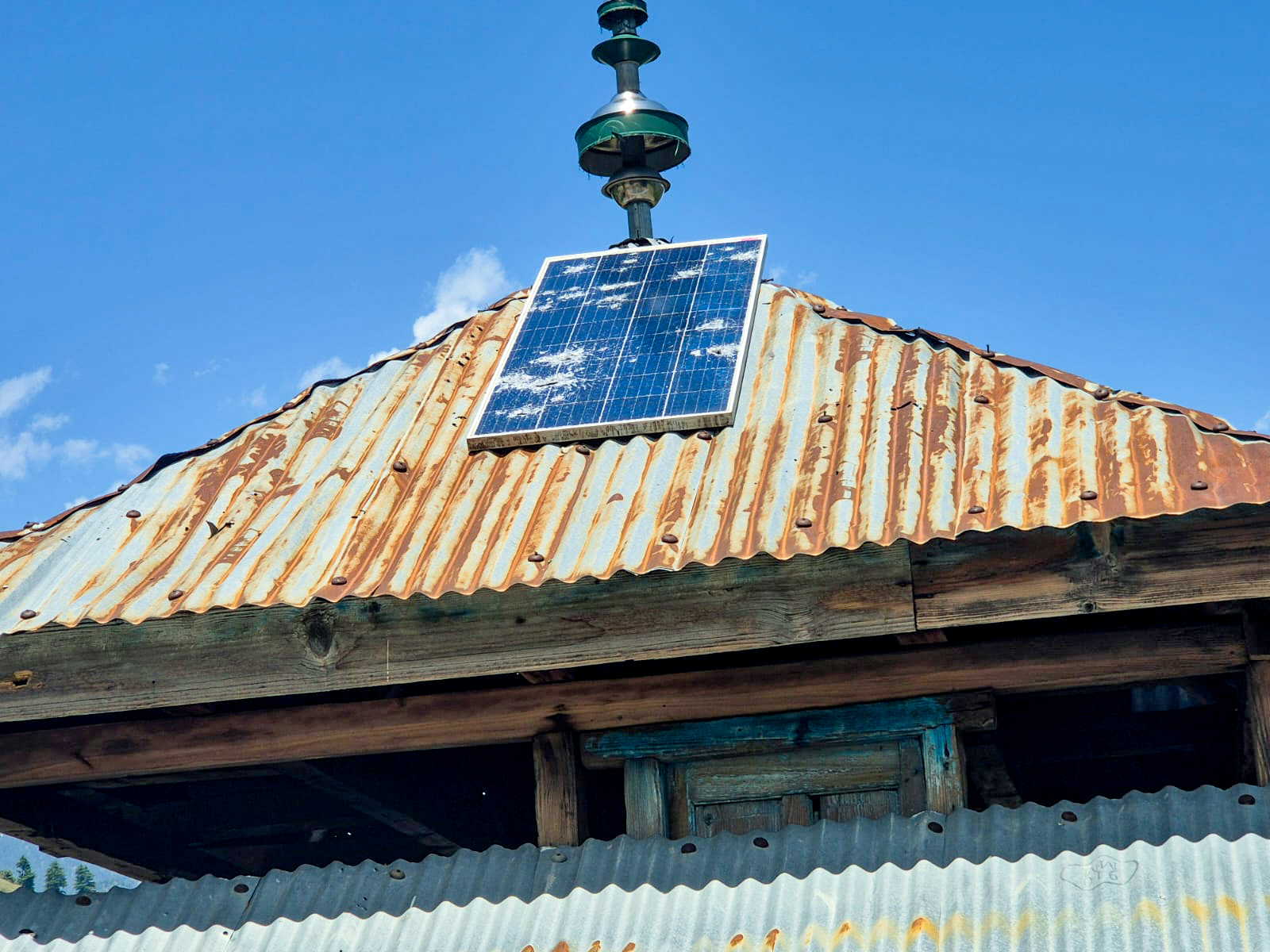
A major policy shift has come into force in India's solar sector, with the government expanding domestic sourcing requirements in a move aimed at reducing reliance on imported components and strengthening the country's clean-energy manufacturing ecosystem.
Under the revised framework effective from June 1, all solar plants that would be operating under the concept of net metering and open access should utilise solar cells that are produced by domestic companies which have been approved by the government.
This policy change is one more step towards the goal of making India self-dependent for production of solar products, however, there are apprehensions raised by other stakeholders regarding this policy shift.
Also Read | LPG prices jump again across major cities; Delhi, Kolkata among worst hit
Government targets import dependence
India already requires developers to use domestically manufactured solar modules. The latest rule extends that requirement to the solar cells inside those modules through the Approved List of Models and Manufacturers (ALMM) List-II framework.
The policy is designed to address a major gap in India's solar manufacturing chain.
While the country has developed nearly 200 GW of annual solar module manufacturing capacity, domestic solar cell production remains much lower at around 30 GW. As a result, a large portion of modules assembled in India still rely on imported cells, most of which come from China.
India marks a historic milestone in its clean energy journey ☀️🇮🇳
— Pralhad Joshi (@JoshiPralhad) May 29, 2026
Under the leadership of Hon’ble Prime Minister Shri @narendramodi ji, 40 lakh households have now been empowered with rooftop solar under @PMSuryaGhar: Muft Bijli Yojana.
More than a #RenewableEnergy initiative,… pic.twitter.com/IcJwHfD4eq
Officials believe the stricter sourcing requirement will encourage investment in local cell manufacturing, improve supply chain resilience and support India's long-term renewable energy goals.
Higher costs likely for consumers
The immediate impact may be felt by consumers planning to install rooftop solar systems. Industry estimates suggest installation costs could rise by roughly ₹3,000 per kilowatt because domestically produced solar cells are currently more expensive than imported alternatives. For a standard 5-kW rooftop system, this could mean an additional expense of around ₹15,000.
Although government subsidies under the PM Surya Ghar scheme remain available, industry participants expect compliance requirements and verification processes to become stricter under the new regime.
Despite the higher upfront cost, solar installations are still expected to deliver long-term savings through lower electricity bills.
Manufacturers divided over impact
This policy move has revealed a rift in the solar industry. Several players have cited an insufficient domestic production capacity to address the demands. The demand for solar cells in the country is pegged at around 50 GW per year which is far higher than current domestic manufacturing capacities. The industry has relied largely on imports accounting for over 90% of its needs.
It is the small module makers who feel the pinch since they rely on large manufacturers who integrate solar cells and modules in their factories since they cannot make cells on their own.
Experts within the industry predict that the new policies will lead to further consolidation in the sector with large manufacturers acquiring market share at the expense of smaller ones.
Also Read | Centre plans modern air-raid warning systems in 244 vulnerable districts
Supporters call it a necessary transition
All manufacturers do not object to this policy. Proponents of this policy say that a consistent policy is essential for India because there are billions of rupees going into developing infrastructure for domestic solar manufacturing. Additionally, proponents of the domestic cells policy say that many utility-scale solar projects that have been allotted before August 31, 2025, will not have to abide by this regulation.
As per the advocates of the regulation, temporary disruptions are acceptable if this policy aids India in establishing a full-fledged domestic solar sector. It will be interesting to see how effective this policy can be, as India strives towards energy independence and growth in renewables.