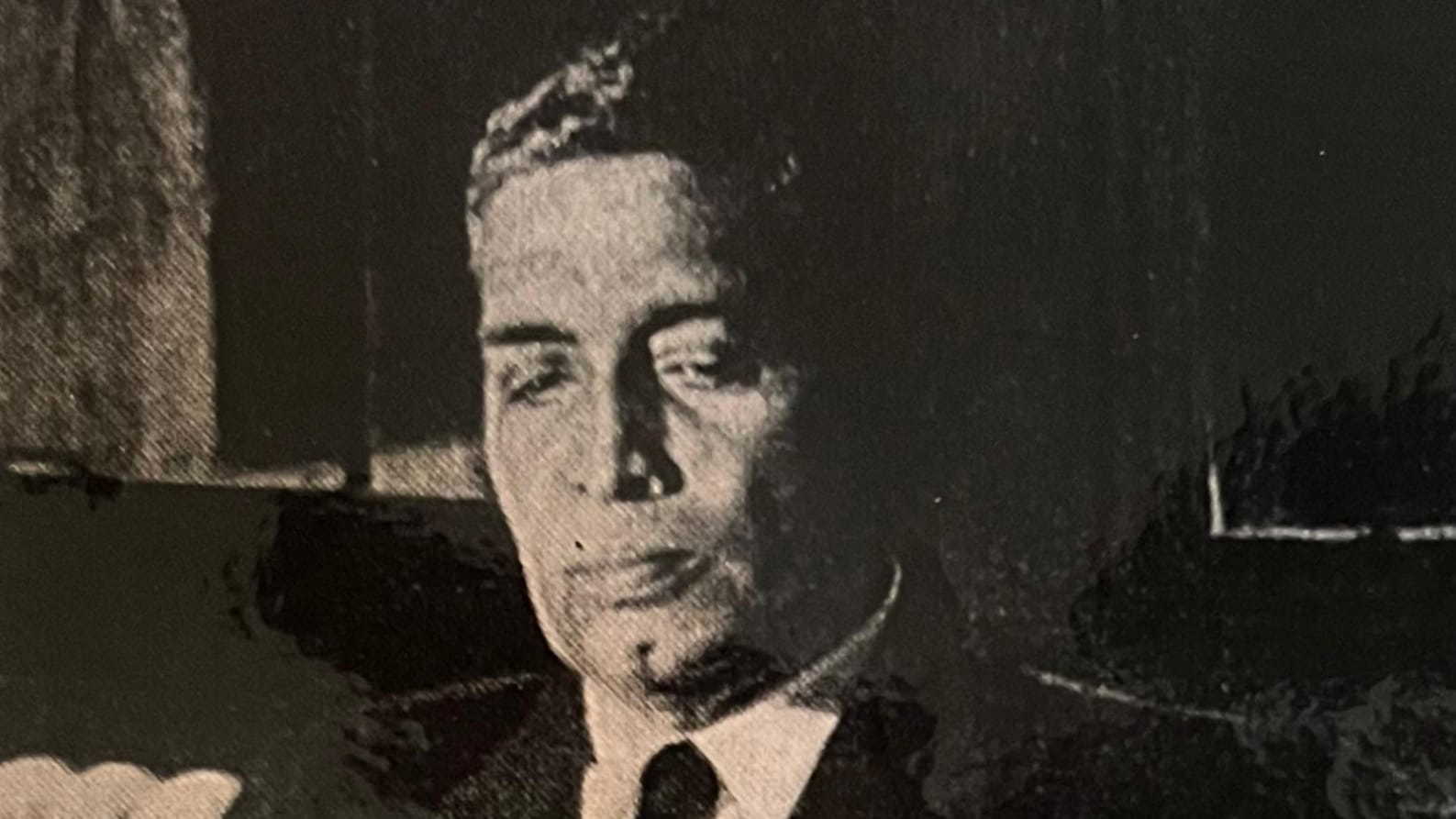
January 27, 2026, marks the 140th birth anniversary of Justice Dr. Radhabinod Pal, one of India's most influential jurists and a global voice of dissent in international law. Best remembered for his lone, powerful judgement at the Tokyo War Crimes Trials, Justice Pal questioned the moral authority of victor-led justice at a time when few dared to do so.
In an exclusive conversation with News Ei Samay, his grandson Sudhi Binod Pal reflected on the meaning of that historic judgement, his grandfather's unshakable principles, and his close personal relationship with Netaji Subhas Chandra Bose.
A dissent that challenged the victors
Explaining how he views his grandfather's Tokyo Trials judgment today, Sudhi Binod Pal said the reasoning was rooted in clarity and fairness. "My grandfather's judgment, each and every argument was fully justified, and his rationality was very clear," he said. "He said in his judgement, that if Japan is guilty, the allied forces are also equally guilty."
To underline his point, Justice Pal cited some of the most devastating acts of the Second World War, as Sudhi Binod Pal said. "To give some examples, he cited the bombing of Hiroshima and Nagasaki. He said that these should also be viewed in the same perspective as the atrocities Japan committed."
"He said that Japan cannot be held alone guilty for the entire episode," Pal added.
A close bond with Netaji Subhas Chandra Bose
Justice Pal's legal legacy was closely intertwined with his association with Netaji Subhas Chandra Bose. According to his grandson, the relationship went beyond ideology and was deeply personal.
"He had a very warm and close relationship with Netaji." Sudhi Binod Pal said Justice Pal had remained in touch with Netaji even before the end of the war. "He was in touch with Netaji before 1945, and never believed that Netaji died in the 1945 air crash," he said.
"He said this in public forums, and wrote in a letter as well, that he had very clear and authentic information from the judges of the Tokyo Trials, particularly the American judge, and a few more who categorically said that Netaji didn't die in the air crash," Justice Pal's grandson said.
This conviction stayed with him for life. "Till his death in 1967, my grandfather, believed that Netaji was still alive," Sudhi Binod said.
Refusing to bend under pressure
Sudhi Binod Pal also spoke about the resistance his grandfather faced while serving on the Tokyo tribunal and how he refused to dilute his judgment.
"Of the 11 judges, he was the only one who was erudite in international criminal law. In 1948, when he had already written his judgment, he was asked by those at the helm of the Government of India not to present it, and to modify and align with the opinions of the 10 other judges."
"The government refused to reimburse his costs." Justice Pal, however, remained firm, as his grandson highlighted. "Against this, he said that if he had to deliver the judgment, he would present it as it is. Otherwise, he said, you (the government) could send someone else."
"For this, his judgment was not published till 1952, only after the US and Japan signed a truce," Sudhi Binod Pal said. He added, "His judgment is still relevant and valid till today."